Health Canada publishes comprehensive analysis of legal vs. illegal dried cannabis products

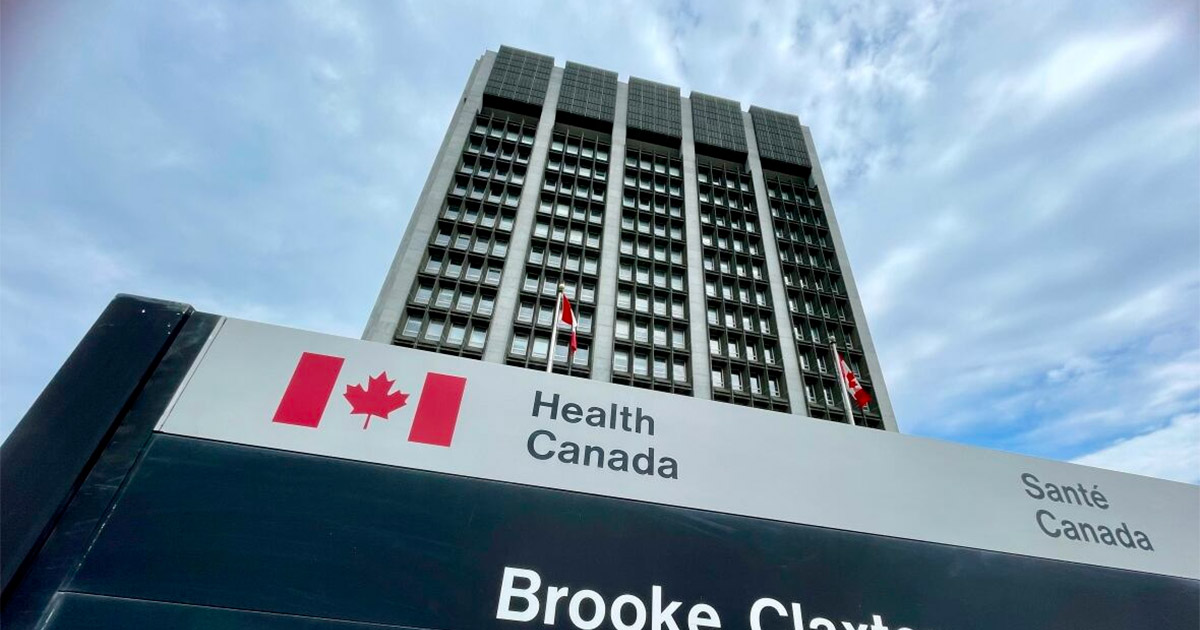
The legalization of cannabis in Canada enables regulators to observe and control product quality and guarantee consumer safety.
To better understand the differences between legal and illegal dried cannabis products, Health Canada's Cannabis Laboratory launched the Cannabis Data Collection Program in 2023.
The first project under this initiative analyzed 100 samples of dried cannabis (50 legal and 50 illegal) to assess their THC content, contamination by heavy metals, pesticide residues, microbial contaminants, and mycotoxins.
The results reveal significant differences, highlighting the risks associated with illegal cannabis and the need for a more effective regulatory oversight continue.
THC content
One of the main objectives of the study was to assess the accuracy of THC labeling in legal cannabis products and to measure the potency of illegal cannabis.
The results showed significant discrepancies in legal products, with 48% of samples containing less than 80% THC levels declared on the label.
In contrast, samples of illegal cannabis showed extreme variability in the THC content, These range from less than 100 mg/g to over 250 mg/g. As illegal products are not labeled, or at least not controlled, consumers are unable to make informed choices about potency, increasing the risk of unintentional over-consumption.
Some very powerful samples may have been boosted, for example, with kief, which further complicates the predictability of dosing.
Heavy metal contamination
The study evaluated 18 heavy metals in cannabis samples, focusing on arsenic, cadmium, lead and mercury, elements known to present significant health risks when inhaled. Illegal cannabis contained a higher proportion of these harmful metals than legal cannabis. One illegal sample exceeded the United States Pharmacopeia (USP) for arsenic, raising concerns about its potential toxicity.
Copper, molybdenum and nickel were detected in both legal and illegal cannabis at concentrations exceeding recommended safety limits. Notably, while molybdenum levels were significantly higher in legal samples, the presence of arsenic and lead in illegal cannabis is a health concern for consumers.
Pesticide residues
The pesticide contamination is one of the study's most alarming findings. While only two legal samples contained traces of pesticides, 94% of the illegal samples tested positive for several pesticide residues, confirming previously reported figures, with an average of 3.4 pesticides per sample. A total of 24 different pesticides were identified, including myclobutanil and paclobutrazol, compounds known to release harmful toxins when heated and inhaled.
Some illegal samples contained extremely high concentrations of pesticides, one with 130 ppm myclobutanil, and another with a staggering 1,700 ppm piperonyl butoxide. These concentrations far exceed safety thresholds.
Microbial contaminants
The microbial contamination is another problem that differentiates legal from illegal cannabis. While some legal samples have tested positive for microbial contaminants, illegal cannabis has significantly higher contamination rates.
More than half (55 %) of the illegal samples exceeded the limit set by the European Pharmacopoeia (Ph. Eur.) for total aerobic microbial count (TAMC), one of them reaching 9 million colony-forming units (CFU)/g. In addition, 73% of the illegal samples exceeded acceptable limits for yeasts and molds, compared with only 6% of the legal products.
Potentially dangerous bacteria such as Enterobacter cloacae, Klebsiella spp. and Pseudomonas aeruginosa were found mainly in illegal cannabis, increasing the risk of respiratory infections. Salmonella spp. and E. coli, both of which can cause serious illness, were detected exclusively in illegal samples. The presence of Aspergillus spp., a mold capable of producing dangerous mycotoxins, was also more frequent in illegal products.
Mycotoxins
The study looked at six mycotoxins different - hazardous compounds produced by certain fungi which can cause serious health problems when inhaled or ingested. While no mycotoxins were found in legal cannabis, six illegal samples tested positive for ochratoxin A or deoxynivalenol (DON). These toxins have been associated with kidney damage and immune system suppression.
Study conclusions
The results of this study provide valuable information on the differences between legal and illegal dried cannabis in Canada. The widespread presence of heavy metals, pesticides, microbial contaminants and mycotoxins in illegal cannabis reinforces the importance for Canadians to buy from licensed retailers subject to strict regulatory requirements.
The results also highlight the difficulties encountered on the legal market, particularly with regard to the accuracy of THC labelling. Inconsistent potency levels can undermine consumer confidence and lead some to turn back to the illegal market, despite the associated risks.


















JIHE 2026: Japan’s Largest Trade Show Dedicated to Hemp and CBD Returns to Tokyo with More Than 100 Industry Players
New Caledonia: The Courts Clear the Way for the Return of CBD

The Brazilian medical cannabis market continues to grow

Morocco: Three Cannabis-Based Medications Approved for the Treatment of Epilepsy

Canopy Growth Receives New EU-GMP Certification to Strengthen Its Presence in Europe

Three years after legalizing medical cannabis, Albania continues to establish regulations for it

The first plant-based medical THC spray arrives in the United Kingdom

Medical Cannabis in Germany: THC Prices Vary by a Factor of 12

France already has 3,000 cannabis retail outlets. None of them are legal.

Morocco's exports of legal cannabis have expanded to 15 countries
-
 Business2 weeks ago
The legal cannabis market in New York exceeds 4 billion $ in revenue
-

 Cannabis in France4 weeks ago
Which countries legalized medical cannabis before France?
-
Business4 weeks ago
South Korea is preparing to begin local production of medical cannabis to meet rising demand
-
Cannabis in France4 days ago
France already has 3,000 cannabis retail outlets. None of them are legal.
-
Cannabis in Thailand4 weeks ago
From the boom in dispensaries to a purely medical approach: Thailand is revising its cannabis policy
-
Cannabis in the U.S.5 days ago
A DEA report confirms that there are no fatal cannabis overdoses
-
Cannabis and driving3 weeks ago
Medical Cannabis and Driving: New South Wales Ends Automatic Penalties for THC
-
Cannabis in France3 weeks ago
France’s Drug Policy Chief Defends Cannabis Prohibition... and Runs Into the Facts















You must be logged in to post a comment Login