Cannabis experimentation among young British Columbians at its lowest level in 25 years

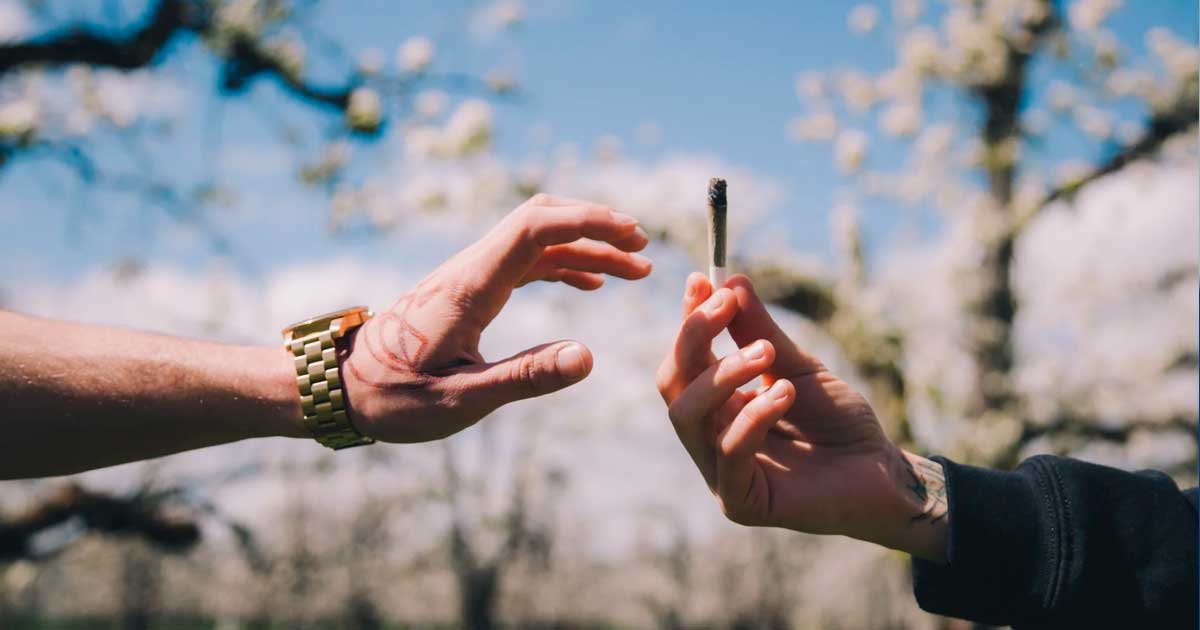
The latest survey conducted by McCreary Society reveals that the number of young people British Columbians having tried the cannabis reached its lowest level in a quarter of a century.
This in-depth study, which analyzed responses from 38,277 students from 59 school districts, offers a unique insight into trends in teenage cannabis use, five years after its legalization in Canada.
A drop in cannabis experimentation among young people
According to the McCreary Society's findings, the percentage of young people who have used cannabis at least once is from 25% in 2018 to 22% in 2023. This downward trend continues, suggesting that legalization has not led to an increase in teenage consumption.
These figures contradict early concerns that legalization might encourage more young people to experiment with cannabis. On the contrary, the decline can be attributed to increased awareness, regulation and education about cannabis use and its potential risks.
For the first time in the history of the survey, the more girls than boys report having tried cannabis. In addition, more girls than boys use cannabis for the first time at age 14 or younger.
Annie Smith, Executive Director of the McCreary Society, expressed concern about this trend: «We've always found that boys are more likely to have tried substances than girls, but this time the survey showed that girls were more likely than boys not only to use cannabis, but also to drink alcohol, vaper and smoke tobacco.».
She insisted on the importance of delaying the first consumption, as studies suggest that a early use of cannabis increases the likelihood of long-term problems.
Understanding the reasons for cannabis use
The survey shows that young people use cannabis for a variety of reasons. According to Annie Smith, «I think that when we talk about cannabis use among young people, we need to determine why they use it and what role cannabis plays in their lives.».
Some teenagers use cannabis out of curiosity or social pressure, while others use it to cope with stress, anxiety or sleep problems. Ms. Smith advises parents to have open, non-judgmental conversations with their teenagers, offering advice and information rather than condemning them, because recognizing these motivations is essential to developing effective prevention and intervention strategies.
The McCreary Society also warns against risks associated with different consumption methods. While experts have long been recommending that young people start with low doses, Ms. Smith highlights a common pitfall for edibles and cannabis-infused drinks. She explains that «when cannabis is ingested in the form of food or drink, the effect can be slower and more deceptive, leading to bad experiences». This delay in the onset of the effect may lead users to consume more than expected, with a few surprises thrown in for good measure.
Looking to the future, the experts stress the need for targeted education, parental guidance and awareness-raising about responsible consumption to help young people make informed decisions about cannabis.












JIHE 2026: Japan’s Largest Trade Show Dedicated to Hemp and CBD Returns to Tokyo with More Than 100 Industry Players
New Caledonia: The Courts Clear the Way for the Return of CBD

The Brazilian medical cannabis market continues to grow

Morocco: Three Cannabis-Based Medications Approved for the Treatment of Epilepsy

Canopy Growth Receives New EU-GMP Certification to Strengthen Its Presence in Europe

Three years after legalizing medical cannabis, Albania continues to establish regulations for it

The first plant-based medical THC spray arrives in the United Kingdom

Medical Cannabis in Germany: THC Prices Vary by a Factor of 12

France already has 3,000 cannabis retail outlets. None of them are legal.

Morocco's exports of legal cannabis have expanded to 15 countries
-
 Business2 weeks ago
The legal cannabis market in New York exceeds 4 billion $ in revenue
-

 Cannabis in France4 weeks ago
Which countries legalized medical cannabis before France?
-
Business4 weeks ago
South Korea is preparing to begin local production of medical cannabis to meet rising demand
-
Cannabis in France4 days ago
France already has 3,000 cannabis retail outlets. None of them are legal.
-
Cannabis in Thailand4 weeks ago
From the boom in dispensaries to a purely medical approach: Thailand is revising its cannabis policy
-
Cannabis in the U.S.5 days ago
A DEA report confirms that there are no fatal cannabis overdoses
-
Cannabis and driving3 weeks ago
Medical Cannabis and Driving: New South Wales Ends Automatic Penalties for THC
-
Cannabis in France3 weeks ago
France’s Drug Policy Chief Defends Cannabis Prohibition... and Runs Into the Facts
















You must be logged in to post a comment Login