Medical Cannabis: A more effective alternative to drugs for treating chronic pain?

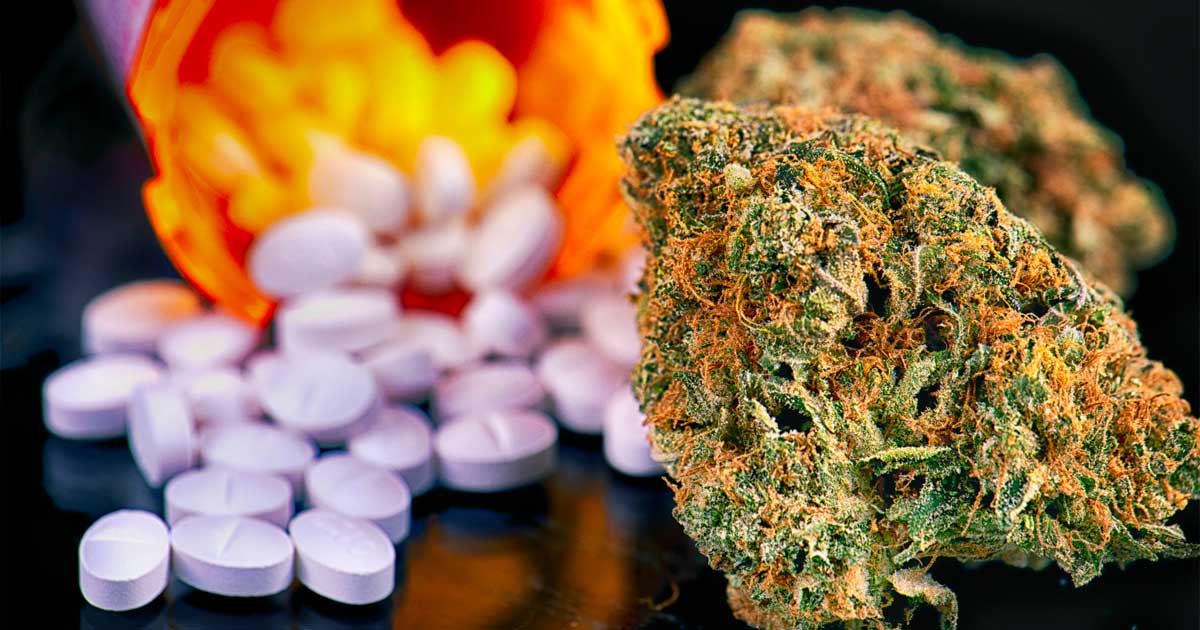
According to a recent study, the medical marijuana could be more effective than prescription drugs to treat chronic pain.
Published in Bread, The research was carried out by experts from the’University of Pittsburgh, the Harvard Medical School and National Cancer Institute (NCI). She concluded that patients using medical cannabis achieved better results than those taking traditional painkillers, including opioids.
Using a causal inference approach, the study analyzed data from 440 patients who used medical cannabis and 8,114 patients prescribed conventional analgesics. The results suggest that patients who use cannabis have 2.6 times more likely to’ get a positive response than those taking prescription drugs. In addition, 39 % of patients using cannabis reported significant pain relief after three months, vs. 35 % of patients using traditional medicines.
Reduced opioid consumption and safer pain management
One of the most important conclusions of the study is the reduction of the opioid consumption in patients using medical cannabis. Among those who had also been prescribed opioids, the researchers found a 39% decrease in opioid dose over six months, and therefore a reduced risk of dependence and overdose.
These findings are in line with other research indicating that cannabis legalization is linked to a fewer opioid prescriptions and even a drop in’fatal opioid overdoses. A other study revealed that states allowing legal access to cannabis saw a decrease of around 3.5 opioid-related deaths per 100,000 people. According to the authors, wider access to cannabis could be an invaluable strategy in the fight against opioid crisis.
Data from Medicaid, the main program providing medical services to low-income people in the U.S., showed that states authorizing medical cannabis recorded significant reductions in prescription drug consumption, particularly for conditions such as chronic pain. A report by Minnesota medical cannabis program confirmed that registered patients felt noticeable pain relief, This has led to a reduction in dependence on other painkillers.
The new study also showed that effects of medical cannabis were maintained over time. After six months, patients continued to report improvements in pain management, underlining the long-term efficacy of cannabis as a’pain relief option.
Other studies confirm these results, including a report by the’American Medical Association (AMA) dating from 2023 which reveals that visit patients suffering from chronic pain and who had used medical cannabis for more than a month saw their opioid prescriptions drop significantly. A other study indicates that 57% of people suffering from chronic pain found cannabis to be more effective than traditional analgesics, and that 40% reduced their consumption of other analgesics after starting cannabis treatment.
Despite these promising results, the researchers acknowledge that certain limits. The study was not able to track individual cannabis dosages or product types, which makes it difficult to establish dose-response relationships of our products. Furthermore, although the study highlighted the potential of the cannabis as an alternative to opioids, it has not conclusively determined whether cannabis directly reduces opioid dependence.



















Medical Cannabis in Germany: THC Prices Vary by a Factor of 12

France already has 3,000 cannabis retail outlets. None of them are legal.

Morocco's exports of legal cannabis have expanded to 15 countries

Aurora Cannabis Doubles Its Production Capacity in Germany

Tilray is accelerating its operations in Europe thanks to a license in Portugal

Boston will host the 10th annual State of the Cannabis Industry Conference on October 26

A DEA report confirms that there are no fatal cannabis overdoses

A British patient is challenging the NHS's refusal to reimburse medical cannabis

October 2026 CBD Highlights: 10 Strains and Hash to Discover from 5 French Producers

CBD in France: Traceability, Retail Stores, THC and Driving… What the New Bill Proposes
-
 Business2 weeks ago
The legal cannabis market in New York exceeds 4 billion $ in revenue
-

 Cannabis in France3 weeks ago
Which countries legalized medical cannabis before France?
-
Business3 weeks ago
South Korea is preparing to begin local production of medical cannabis to meet rising demand
-
Cannabis in Thailand3 weeks ago
From the boom in dispensaries to a purely medical approach: Thailand is revising its cannabis policy
-
Cannabis and driving3 weeks ago
Medical Cannabis and Driving: New South Wales Ends Automatic Penalties for THC
-
Cannabis in Argentina4 weeks ago
Argentina Opens Its Market to Hemp Flowers Containing 1% of THC
-
Autism3 weeks ago
Autism and Cannabis: Results from the First Placebo-Controlled Trial of NTI164
-
Cannabis in France2 weeks ago
France’s Drug Policy Chief Defends Cannabis Prohibition... and Runs Into the Facts

















Anon
12 February 2025 at 15 h 14 min
even beyond that, cannabis develops national autonomy and individual independence in the treatment of many chronic and psychological ailments too.