
In Canada too, the THC content of products is «inflated».»

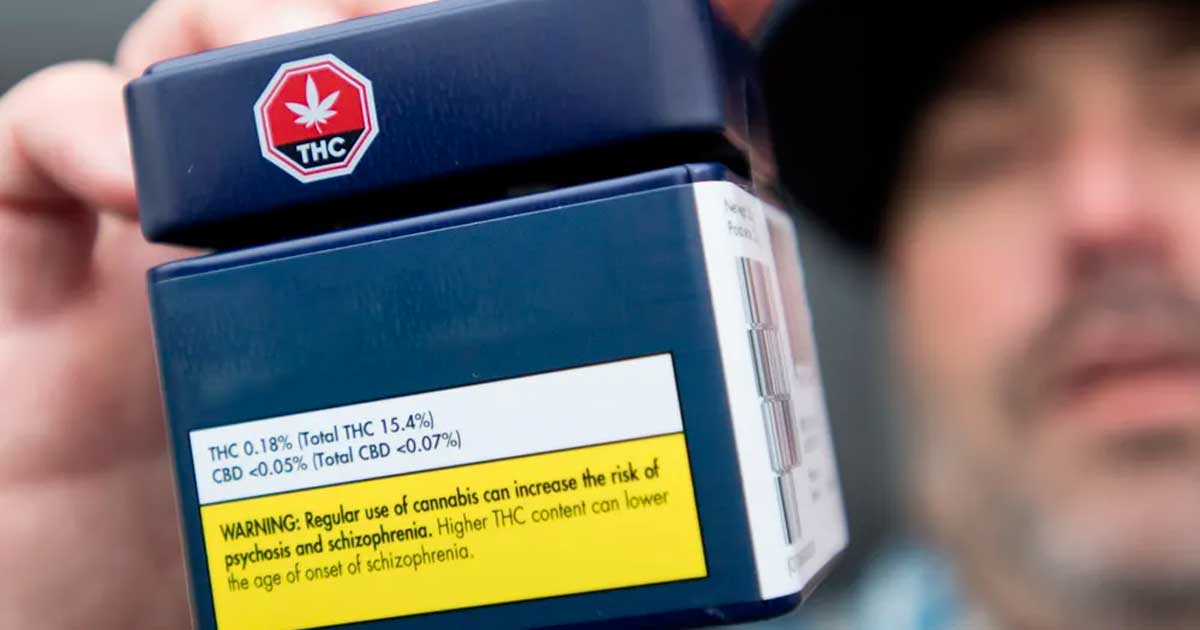
In Canada, many legal cannabis products overstate their THC and CBD content. Several studies, including those conducted by two laboratories and a cannabis producer, reveal a significant discrepancy between the claims on labels and the actual potency, with some products containing up to 20% less THC than advertised.
This misrepresentation of potency has raised concerns among industry experts. Borna Zlamalik, senior vice president of innovation and research and development at OrganiGram Holdings Inc. in Moncton, New Brunswick, says that some cannabis companies intentionally manipulate their sampling procedures to present their products in the best possible light.
The lack of standardized testing methods and government oversight has contributed to this problem. Critics claim that producers selectively sample and process products, so that they do not accurately represent entire batches. There are also allegations of fraudulent testing techniques used by some cannabis testing companies to inflate THC results.
Health Canada has taken note of these concerns and is reviewing complaints regarding inaccurate labeling. In July, it launched a data collection program to compare product performance with potency claims, promising compliance and enforcement measures as necessary to mitigate health and safety risks.
This problem has worsened in recent years, as cannabis producers and laboratories have been competing for market share in a saturated market. Customers are increasingly relying on price and potency to differentiate products, which has led to an increase in the average potency of products. This trend has resulted in financial losses for companies like OrganiGram, as consumers opt for competing products with higher advertised potency.
Supra Research and Development, a testing laboratory based in Kelowna, tested 46 dried flower products and found that none met their advertised THC levels, with most products having levels more than 20% below the advertised amounts. A similar test conducted by High North Labs in Vaughan, Ontario, showed that no product reached the stated potency, with the majority falling at least 5% short of the declared amount.
These discrepancies have prompted calls for standardized testing protocols within the industry to ensure accuracy and consistency. Health Canada is already exploring the idea of setting THC variability limits for dried cannabis, similar to those currently in place for extracts, cannabis-infused cosmetics, or edibles.
In the United States, academic research has confirmed the allegations of THC content inflation, the labels on cannabis products overstated the THC content by at least 15% in some cases. Michigan’s cannabis regulatory authority has launched audits of products containing more than 28% of total THC, while Washington State has shut down laboratories that were producing inflated results.














Cannabis and the Adolescent Brain: French Scientists Make a Key Discovery

EFSA Gives Initial Approval for Synthetic CBD; Natural Extracts Still Pending

Federal Cannabis Reform Once Again on Hold in the United States

Contest: Win a trip to Quebec to experience the hemp harvest firsthand

Bedrocan on Hold Amid Uncertainty Over Medical Cannabis

Newsweed Launches Its Own AI
A new tax of 0.5% could disrupt the hemp industry in Canada

Medical Cannabis and Driving: New South Wales Ends Automatic Penalties for THC

China's Yongji Health Takes Control of Tasmanian Botanics

Autism and Cannabis: Results from the First Placebo-Controlled Trial of NTI164
-
 Cannabis and driving3 weeks ago
Cannabis and CBD: French Drivers Can Now Lose Their License Even Without a Positive Test Result
-

 Cannabis in France6 days ago
Which countries legalized medical cannabis before France?
-
Cannabis in France3 weeks ago
Cannabis Legalization: The LFI Bill Has a Major Problem—THC
-
Cannabis in the Netherlands2 weeks ago
One year after the launch of the Dutch cannabis experiment, the first trends are emerging
-
Business6 days ago
South Korea is preparing to begin local production of medical cannabis to meet rising demand
-
Cannabis in Thailand6 days ago
From the boom in dispensaries to a purely medical approach: Thailand is revising its cannabis policy
-
Cannabis in Argentina2 weeks ago
Argentina Opens Its Market to Hemp Flowers Containing 1% of THC
-
Cannabis in France2 weeks ago
French medical cannabis remains stalled at the Ministry of Health















You must be logged in to post a comment Login