
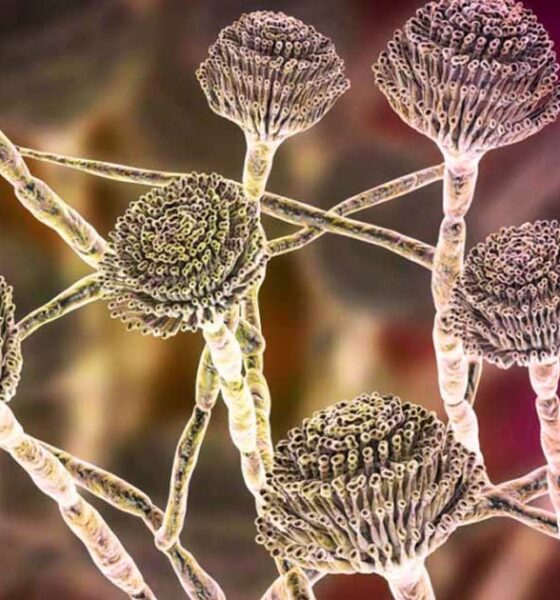
Mycotoxin
A mycotoxin is a toxic compound produced by a fungus or mold, from the Greek mykes (mushroom) and toxikon (poison). In the context of cannabis, mycotoxins represent one of the most serious and least visible health risks: they can contaminate the flowers before harvest, during drying, storage, or transport, and remain active and dangerous even after visible mold has been removed.
The Two Main Mycotoxins in Cannabis
Regulated legal markets systematically test for two groups of mycotoxins in their Certificates of Analysis (COA) :
| Mycotoxin | Mushroom producer | Typical regulatory threshold | Target organ |
|---|---|---|---|
| Aflatoxins (B1, B2, G1, G2) | Aspergillus flavus, A. parasiticus | 20 µg/kg total | Liver (hepatotoxic, carcinogenic) |
| Ochratoxin A (OTA) | Aspergillus ochraceus, Penicillium spp. | 10 µg/kg | Kidneys (nephrotoxic) |
The aflatoxins are among the most studied and harmful mycotoxins known, classified as Group 1 carcinogens by the IARC (International Agency for Research on Cancer). Normally present in the soil, they particularly infest crops under warm and humid conditions.
The ochratoxins are common contaminants in the food chain (grains, coffee, grapes) and can grow directly on cannabis flowers under conditions of insufficient drying or improperly controlled storage.
Why Mycotoxins Are Particularly Dangerous in Cannabis
Unlike other food contaminants, cannabis is often consumed by inhalation, This bypasses the digestive and hepatic detoxification mechanisms that filter out some of the mycotoxins ingested through food. Inhaled mycotoxins reach the lungs and the bloodstream directly.
A second aggravating factor: mycotoxins are heat-resistant. Smoking contaminated cannabis does not destroy them; combustion at 800–900°C breaks down some of them but not all, and certain thermal degradation products of aflatoxins remain toxic.
Populations at particular risk : patients in medical marijuana Immunocompromised individuals (those undergoing chemotherapy, living with HIV, or who have received transplants) are the most vulnerable. Regular exposure to low doses of mycotoxins can gradually damage the liver and kidneys—organs that are often already compromised in these patients. This is why medical cannabis programs have stricter mycotoxin standards than recreational markets.
How Mycotoxins Develop on Cannabis
Conditions that promote contamination:
- Excessive humidity during cultivation, drying, or storage. Critical threshold: > 65% relative humidity
- High temperature (> 25°C) combined with humidity
- Curing insufficient : poorly dried flowers that retain a high level of residual moisture
- Plastic Storage airtight at room temperature: creates microenvironments conducive to mold growth
- Physical damage on the flowers: broken trichomes, rough harvesting. These make the plant more susceptible to fungal infections
Contamination may be invisible to the naked eye in the early stages. Only a laboratory test can detect it with certainty.
Prevention and Testing
In agriculture : program for integrated pest management Strict control of humidity under 50% during flowering, adequate ventilation.
Post-harvest : curing Store at a relative humidity of 58–65% in airtight glass jars away from heat.
Laboratory testing : Mycotoxins are part of the standard panel of certificates of analysis on legal markets. Results are expressed in µg/kg (micrograms per kilogram) or ppb (parts per billion). A COA that does not include a mycotoxin panel is incomplete for any medical use.
For Consumers : A visual inspection of contaminated cannabis may reveal a white or gray powder (different from trichomes (crystalline), a musty smell, or the smell of a damp towel. If in doubt, see our article on what grass shouldn't smell like.










Medical cannabis: The Greens introduce two amendments to accelerate its widespread adoption

More THC, barely any additional effects: A new study challenges common assumptions about the potency of cannabis

Dr. Pascal Douek, a tireless advocate for medical cannabis in France, has died

Kentucky now has 26 medical cannabis dispensaries

«Vincy Gold»: Humboldt Seed Company on the Hunt for Saint Vincent Sativas

Cronos Completes the Acquisition of CanAdelaar for 57.5 million euros

Cannabis with a "bloody" twist: Discover Sensi True Blood and Sensi Sangria, the two new strains from Sensi Seeds

Hemp: The Council of the EU Takes a Stand on New Production and Marketing Rules

Missouri's legal cannabis market accounts for 93 % of consumer spending

