
Illegal European cannabis contaminated by pesticides, excrement and moulds

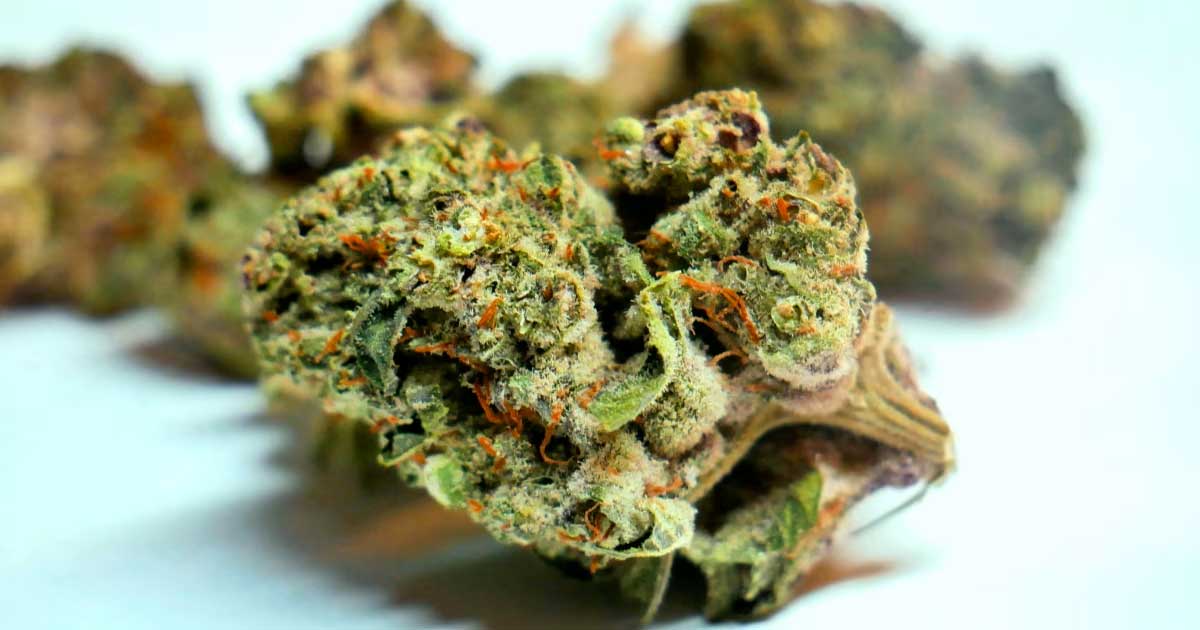
Two recent studies conducted by two cannabis companies highlight that illegal cannabis in Europe is often contaminated with hazardous substances such as pesticides, mold, and even cross-contaminants from other drugs.
For the sponsors of these studies, these findings underscore the urgent need to regulate cannabis production across the entire continent in order to protect public health.
Illegal cannabis: a public health issue
Research conducted by Curaleaf International and Sanity Group paints a troubling picture of cannabis contamination in Europe.
In the United Kingdom, the last report from Curaleaf, conducted in collaboration with Manchester Metropolitan University, reveals that cannabis sold on the black market often contains mold, synthetic cannabinoids, and hazardous metals such as lead, which pose serious health risks to consumers.
Curaleaf warns that this unregulated cannabis puts at risk the 1.8 million people in the United Kingdom who use it for medical purposes, primarily to treat conditions such as chronic pain and anxiety.
Similarly, in Germany, Sanity Group led to an in-depth study over a period of eight months, analyzing more than 253 samples collected in Germany and across Europe. Of the samples tested, only 74 were deemed safe and free of contaminants.
However, the majority of them were contaminated with hazardous substances, including pesticides, human and animal feces, bacteria such as Salmonella, and even traces of COVID-19. More than 50% of the samples contained banned pesticides, and 60% were contaminated with harmful bacteria and fecal matter. This cross-contamination is often caused by unsanitary packaging practices in the black market.
Curaleaf's findings also highlight the health risks posed by cannabis sold on the black market. They document cases of respiratory problems, neurological damage and an increased risk of infection among users who consume contaminated products without realizing it.
Yet, despite these dangers, about 17% of British consumers continue to believe that illegal cannabis is as safe as—or even safer than—regulated products, a misconception that fuels the illicit market and poses serious risks to public health.
A Call for Safer, Regulated Cannabis
In light of these results, Curaleaf and Sanity Group are both advocating for a stricter regulations and greater public awareness in order to combat the health risks associated with illicit cannabis.
Juan Martinez, director of Curaleaf International, believes that the British government must adopt a comprehensive approach, combining stricter regulation of illegal markets with public awareness initiatives aimed at informing consumers about the benefits of legal, regulated cannabis. Curaleaf also recommends that UK policies be updated to facilitate access to medical cannabis, which would allow patients to obtain safe, prescription-based products rather than resorting to the black market.
The founder from Sanity Group , Finn A. Hänsel, echoes this call for urgent reform in Germany, where the black market still dominates cannabis use. Mr. Hänsel’s research highlights not only the widespread contamination of cannabis on the black market, but also its cross-contamination with illegal drugs such as cocaine, MDMA, and crystal meth.
He warns that these findings underscore the need for legal and regulated cannabis markets capable of ensuring product quality and safety. As Mr. Hänsel points out, «We cannot overemphasize the health risks associated with consuming cannabis on the black market, whether from toxic pesticides or harmful bacteria.».
In 2019, a Spanish study found that 75%, a type of hashish from Madrid, was contaminated with fecal bacteria.

















Medical Cannabis and Driving: New South Wales Ends Automatic Penalties for THC

China's Yongji Health Takes Control of Tasmanian Botanics

Autism and Cannabis: Results from the First Placebo-Controlled Trial of NTI164

Which countries legalized medical cannabis before France?

From the boom in dispensaries to a purely medical approach: Thailand is revising its cannabis policy

South Korea is preparing to begin local production of medical cannabis to meet rising demand

In the United States, cannabis use among high school students has reached an all-time low

Medical cannabis use surges by 64 % in Denmark

Canopy Growth Enters the U.K. Market with Four Canadian Strains

CBD: Full-Spectrum Extracts Under Threat in Greece
-
 Cannabis and driving2 weeks ago
Cannabis and CBD: French Drivers Can Now Lose Their License Even Without a Positive Test Result
-

 Cannabis in France1 day ago
Which countries legalized medical cannabis before France?
-
Cannabis in France3 weeks ago
Cannabis Legalization: The LFI Bill Has a Major Problem—THC
-
Cannabis in the Netherlands2 weeks ago
One year after the launch of the Dutch cannabis experiment, the first trends are emerging
-
Cannabis in France2 weeks ago
French medical cannabis remains stalled at the Ministry of Health
-
Cannabis in Argentina1 week ago
Argentina Opens Its Market to Hemp Flowers Containing 1% of THC
-
Business2 weeks ago
The United Kingdom Is Moving Closer to a Regulated CBD Market
-
Cannabis in France1 week ago
Rima Hassan: When «Drugs» Become a Political Weapon













You must be logged in to post a comment Login