
Zamal, Réunion's endemic cannabis variety

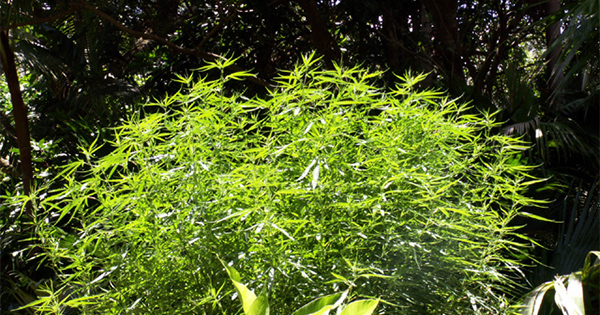
The zamal is the Creole name given to the Cannabis Sativa L. cultivated or growing naturally on Réunion Island. The word comes from the Malagasy zamala and designates a family of several local varieties that the Reunionese call kality. It is one of the few landraces French - local genetics adapted over several generations to a specific environment, in this case the island's humid tropical climate and volcanic terrain.
Powerful, sativoid, with extraordinary flowering times and distinctive tropical aromas, zamal is considered by many connoisseurs to be one of the world's most remarkable sativa genetics.
Characteristics of zamal
| Type | Sativa pure / landrace |
| Origin | Reunion Island (France) |
| Flowering time | 12 to 16 weeks (some kalité up to 9 months) |
| Height | Up to 4.5 m high, 3 m wide |
| Yield | 1 kg+ per foot outdoors |
| THC/CBD | Not standardized - varies by kality |
| Aromas | Tropical, fruity, spicy depending on lineage |
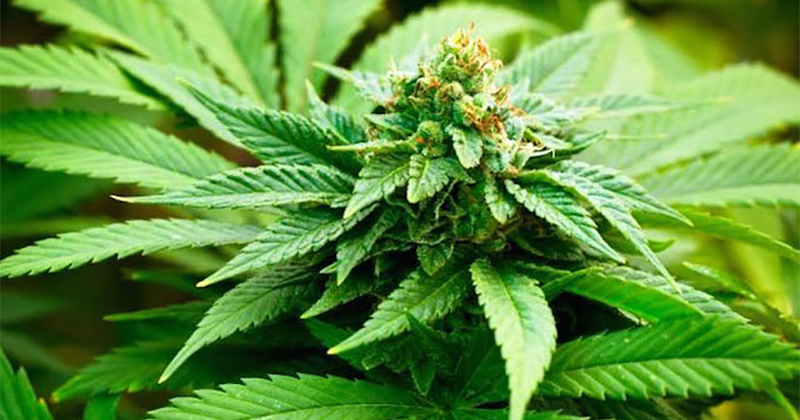
Unlike indicas, which stop growing when they begin to flower, pure sativas like zamal continue to develop during flowering. The same plant can be grown for many years on the island - hence the local reputation that zamal «has the immortality gene».
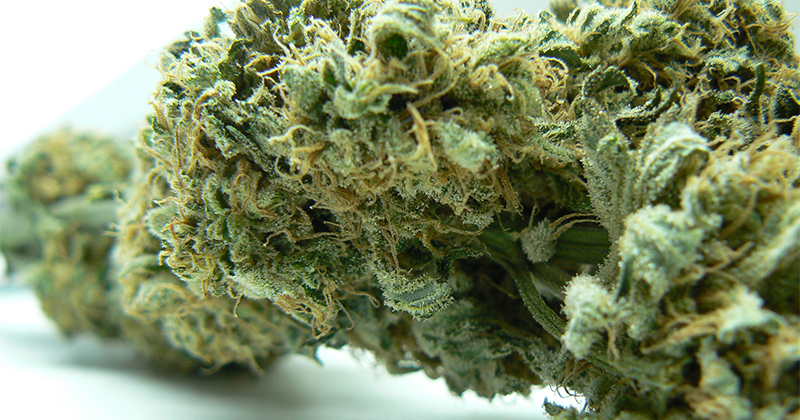
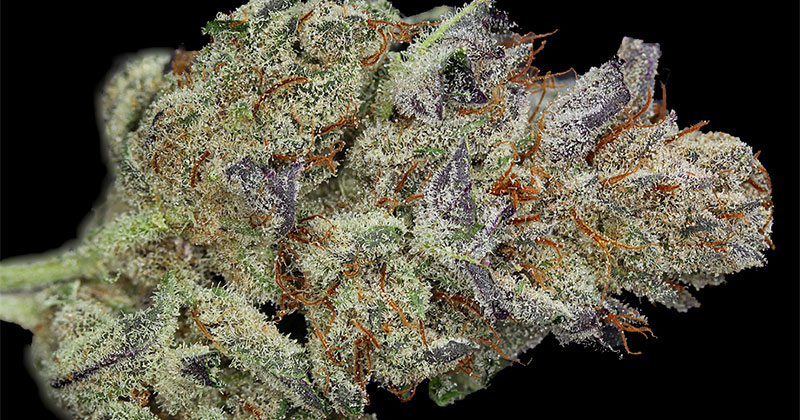
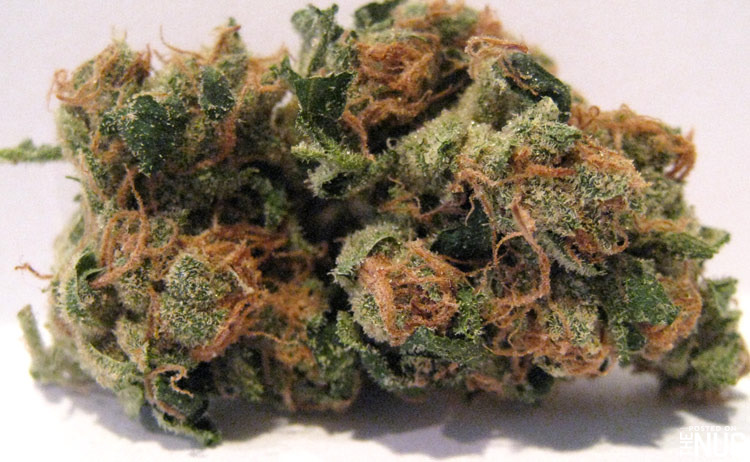
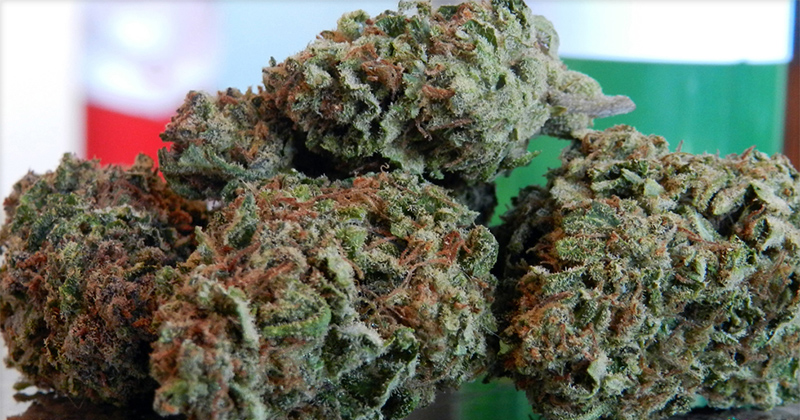
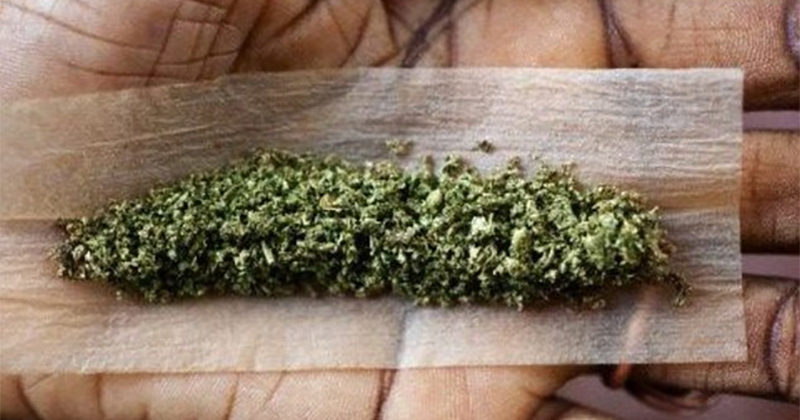
The flowers are characteristic of tropical sativas: tapering, sparse, very resinous and fragrant. They are traditionally smoked pure.
Effects of zamal
The effects of zamal are typically sativoid: stimulating, cerebral, sometimes euphoric, with noticeable perceptual changes. Some kalities are reputed to be particularly potent - probably due to a combination of terpenes and specific THC although no systematic analysis of cannabinoids has yet been published.
Like all cannabis, zamal can produce dry mouth, red eyes, accelerated heart rate and enhanced appetite. The one-taffe (kality whose name says it all) is particularly respected for its power.
The kalité of zamal
There is no single variety of zamal, but a family of distinct lines, each adapted to a particular microclimate or local tradition:
Mango-carrot (kalité mangu'carot): a strain with Indian, African and Madagascan origins. Its name comes from its mango-like terpenes - it is often planted next to mango trees. Pronounced tropical aromas.
Red filament (fil rouz): recognizable by its pistils bright red in bloom. Native to the Cirque de Salazie, it is also found in Mafate.
Dry-foot (sek o pié / sek o pat): with North African or Afghan origins - one of the few indica expressions in zamal. Very resinous buds, powerful effects. Traditionally left to dry before harvesting.
Kalité Tizane (or K1): drowsy, relaxing effects, indica-like in expression.
Pepper mallow (kalité poiw): dominantly spicy terpenes, rich in beta-caryophyllene.
The grain simply means plants full of seeds - a lower quality kalité.
The one-taffe the name is enough of a warning.
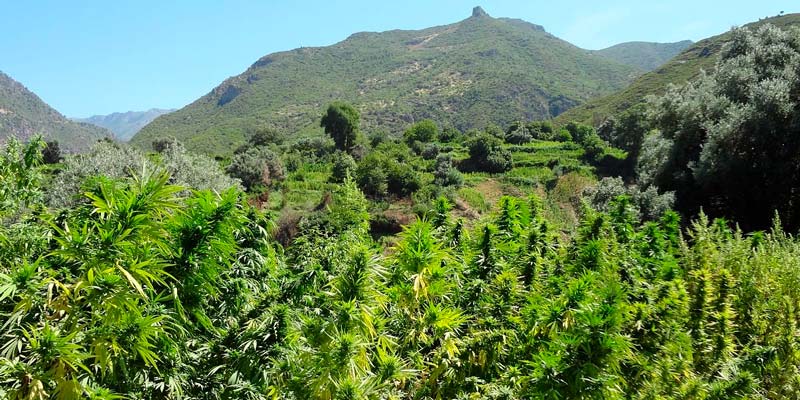
Wild Zamal on Réunion Island
Where does zamal come from?
Reunion's cannabis strains were probably introduced to the island in the 19th century by slaves from India, Madagascar and Africa - three genetic origins that can be found in the different varieties. kality present-day. Zamal was used for spiritual, festive and therapeutic purposes: treatment for asthma, anxiety and abdominal pain.
Over generations, these imported genetics have naturalized and adapted to Réunion's tropical volcanic climate - its varied altitudes (from sea level to over 3,000 m), distinct microclimates and intense sunshine have shaped a unique plant. It's the same process that gives rise to all landraces: natural and human selection over several decades in an isolated environment.
Preservation and breeding
A group of breeders known as Breeders Bourbon are actively involved in safeguarding the various kality and distribution of seeds to preserve the unique genetics of Reunion's plant heritage.
The seed bank Underground Seeds markets a Zamal CBD - A sativa variety with a THC:CBD ratio close to 1:1 in regular seeds. It inherits the vigour of the original Zamal, produces a significant stretch in flowering, and expresses characteristic fruity tropical aromas after 12 weeks of flowering. The majority of phenotypes have close THC and CBD levels, with a minority being dominant in one or the other.
Please note: the term« zamal CBD »On Reunion Island, "hemp CBD" is also used generically to designate CBD hemp varieties sold legally on the island, with no necessary link to authentic zamal genetics.
As in mainland France, the cultivation of zamal is just as prohibited as that of cannabis.
Zamal in Reunionese culture
Like the pakalolo in French Polynesia, zamal is an integral part of Reunionese culture. It is omnipresent in local music (several Creole songs praise it), in popular art and in Reunionese humor - the series Zamal Paradise featured three unemployed youngsters playing drug dealers to finance their rap album.
A local curiosity: rhum arrangé au zamal, a blend of Creole and stoner culture. Consume with the caution merited by the alcohol/cannabis combination, whose combined effects can be far more intense than a classic rhum arrangé.
Despite its deep cultural roots, zamal cultivation remains illegal in Réunion, as in the rest of France.








CBD is said to promote athletic recovery, without improving performance

294 cannabis clubs in Chile: a booming movement with uneven distribution

Chronic Sciatica: New York Approves First Clinical Trial of a THC-Based Medication

United States: The DEA is accelerating the integration of medical cannabis at the federal level

Florida is nearing one million patients using medical cannabis

Uruguay Revives Its Plan to Allow Tourists to Legally Access Cannabis

In Brazil, researchers are developing an innovative CBD eye drop

Autism: Medical Cannabis Is Linked to Reduced Anxiety

The $28 billion U.S. hemp market remains under threat

Jamaica Eases Small Farmers' Access to the Cannabis Market
-
 Business5 days ago
The legal cannabis market in New York exceeds 4 billion $ in revenue
-

 Cannabis in France2 weeks ago
Which countries legalized medical cannabis before France?
-
Business2 weeks ago
South Korea is preparing to begin local production of medical cannabis to meet rising demand
-
Cannabis in the Netherlands4 weeks ago
One year after the launch of the Dutch cannabis experiment, the first trends are emerging
-
Cannabis in Thailand2 weeks ago
From the boom in dispensaries to a purely medical approach: Thailand is revising its cannabis policy
-
Cannabis in France4 weeks ago
French medical cannabis remains stalled at the Ministry of Health
-
Cannabis in Argentina3 weeks ago
Argentina Opens Its Market to Hemp Flowers Containing 1% of THC
-
Cannabis and driving2 weeks ago
Medical Cannabis and Driving: New South Wales Ends Automatic Penalties for THC
















You must be logged in to post a comment Login