It's been quite a year-end for cannabis in New Zealand!

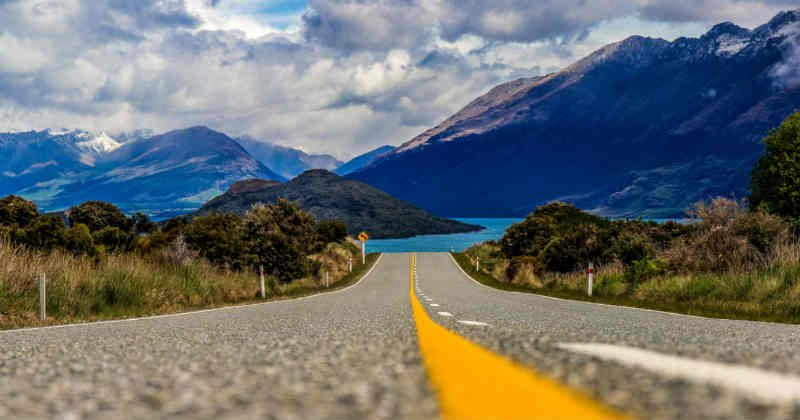
Last week, the New Zealand Parliament passed a bill legalizing medical cannabis. A few days later, the country informally decriminalized drug use and possession. Today, the government confirmed that a referendum on recreational cannabis will be held and announced the date: it will take place alongside the general election on November 21, 2020. If the referendum passes, New Zealand will become the second-largest country in the region and the fourth country in the world to legalize recreational cannabis—provided that other countries do not do so in the meantime, which is highly likely.
The Referendum
The referendum was a condition set by the Greens in exchange for their support (without participation) for the coalition government following the 2017 legislative elections; without that support, the government would have been in the minority in the National Assembly. It had already been announced at the time of the agreement and is now confirmed by Justice Minister Andrew Little: “We know when it will take place, we’ve committed to making the results binding—now it’s just a matter of working out the details.» Chloe Swarbrick, a Green Party MP, clarified that a regulatory system based on scientific evidence would be proposed in advance so that people would know exactly what they’re voting on.
Suzanne Kendrick, a member of the pro-legalization committee MakeItLegal, explains that New Zealand would gain access to a high-potential market. Prohibition Partners, a British consulting firm, estimates it at $634 million in his report on Oceania. “We have the perfect climate for this. We have the culture. We have the agricultural expertise,» adds Suzanne Kendrick. «The underground economy already exists, but the money ends up in the hands of just a few. If cannabis comes out of the shadows, that money could benefit communities through taxes.»
Decriminalization
Recently, the New Zealand government introduced a series of reforms in response to the increase in overdoses of synthetic drugs. In particular, it will impose harsher penalties for trafficking these drugs, but at the same time, it has committed to taking a public health approach toward users. An amendment to the law on the use of narcotics specifies that the police «shall not prosecute for simple possession and personal use where a therapeutic approach is preferable or where there is no public interest in doing so.» In other words, the decision to prosecute individuals is left to the discretion of the police, allowing them to focus their efforts on traffickers. This discretion applies to all illicit substances.
Police Minister Stuart Nash points out, however, that the use of an illicit substance «remains illegal, and people should not be too complacent about the risk of prosecution.» «For now, the police can exercise discretion when dealing with users who suffer from addiction and mental health issues. We’re trying to strike a balance between discouraging drug use and recognizing that many users need support from the health care system or education on harm reduction. We don’t want our prisons filled with people who have addiction problems; we want these people to have access to treatment.» he adds.
The government announced that it was considering a more formal decriminalization, as recommended by The Government's Inquiry into Mental Health and Addiction in New Zealand. At the same time, new funds will be allocated to treatment centers, particularly those located in the regions most affected by spikes in overdoses. “It’s time to do what works,” said New Zealand Health Minister David Clark.
Full #NZ Government statement on drug policy: https://t.co/KJlPZjHUGS The announcement also brings good news for community addiction treatment services. They will receive an additional NZD16.5 million. The government is following through on @jacindaardern pledge to adopt a health-centered approach. @globalcdp @IDPCnet @nzdrug
— Helen Clark (@HelenClarkNZ) December 13, 2018
















Cronos Completes the Acquisition of CanAdelaar for 57.5 million euros

Cannabis with a "bloody" twist: Discover Sensi True Blood and Sensi Sangria, the two new strains from Sensi Seeds

Hemp: The Council of the EU Takes a Stand on New Production and Marketing Rules

Missouri's legal cannabis market accounts for 93 % of consumer spending

THC Gummies: How to Read a Certificate of Analysis Before Buying

British patients now have access to THCV-rich cannabis flowers

Spain: Medical Cannabis Is Coming to About 50 Hospitals

JIHE 2026: Japan’s Largest Trade Show Dedicated to Hemp and CBD Returns to Tokyo with More Than 100 Industry Players

New Caledonia: The Courts Clear the Way for the Return of CBD

The Brazilian medical cannabis market continues to grow
-
 Business2 weeks ago
The legal cannabis market in New York exceeds 4 billion $ in revenue
-

 Cannabis in France4 weeks ago
Which countries legalized medical cannabis before France?
-
Cannabis in France6 days ago
France already has 3,000 cannabis retail outlets. None of them are legal.
-
Business4 weeks ago
South Korea is preparing to begin local production of medical cannabis to meet rising demand
-
Cannabis in the U.S.1 week ago
A DEA report confirms that there are no fatal cannabis overdoses
-
Cannabis in Thailand4 weeks ago
From the boom in dispensaries to a purely medical approach: Thailand is revising its cannabis policy
-
Cannabis and driving4 weeks ago
Medical Cannabis and Driving: New South Wales Ends Automatic Penalties for THC
-
Cannabis in France3 weeks ago
France’s Drug Policy Chief Defends Cannabis Prohibition... and Runs Into the Facts















You must be logged in to post a comment Login