United States: bill to decriminalize cannabis at the federal level

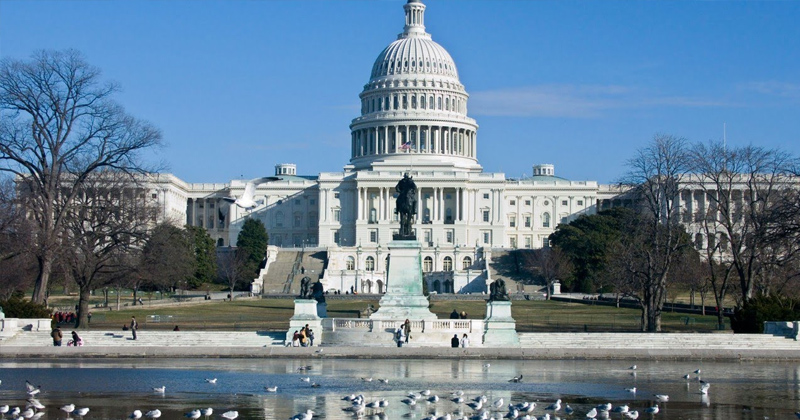
In an industry that is growing faster than ever—so much so that it’s compared to the Internet of the 2000s, and a new government that casts a shadow over the states' recent legislative reforms For Americans, there's a lot going on in the world of cannabis in the United States right now.
This, in fact, partly explains the bill proposed by a Republican member of the U.S. Congress. Thomas Garrett, from the state of Virginia, introduced a bill in Congress last week to decriminalize cannabis at the federal level. Each state would then have the right to decide whether or not to decriminalize cannabis within its borders.
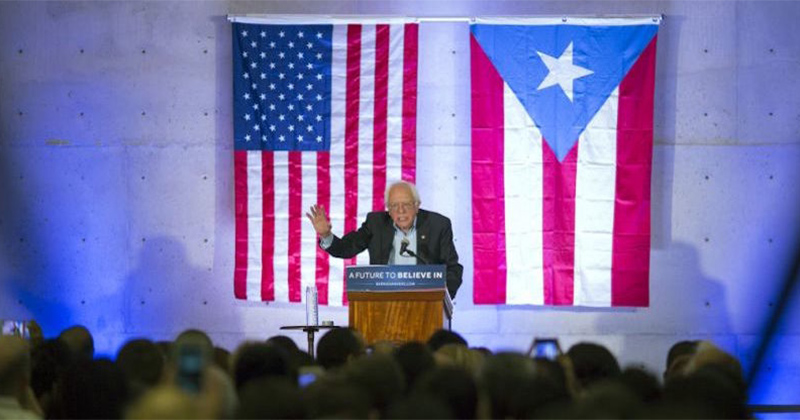
The proposal, simply titled «Ending the Federal Ban on Marijuana» (Ending Federal Marijuana Prohibition Act of 2017), is similar to the one filed by Bernie Sanders in November 2015. The new law would not legalize cannabis, but would remove it from the list of controlled substances. This would allow each state to enact its own legislation regarding the medical and recreational use of cannabis. Transporting cannabis into a state that has not legalized it would also remain a federal crime.
Representative Garrett is introducing this bill because, in his view, the federal ban on cannabis is not being enforced fairly. The poorest Americans are disproportionately targeted by the ban, which is not enforced at all in states that have legalized either the medical or recreational use of cannabis.
«Statistics show that petty drug-related crimes have a greater impact on the most disadvantaged areas,» he writes in a statement. «What I find most troubling is that we continue to keep laws that we don’t enforce. Virginia is more than capable of managing its own cannabis policy, just like other states such as Colorado or California.»
He adds that repealing the ban on cannabis would be a huge economic boost for states that decide to legalize hemp and cannabis. «This step would allow states to establish appropriate medical uses and cultivation guidelines for industrial hemp, which would provide a major economic boost to agricultural development in southern Virginia.».
Will the bill pass?
Yes, because it's all well and good to introduce a bill, but it still has to be approved. Bernie Sanders' proposal received no support, let alone a Senate hearing.
The cannabis landscape in the United States has changed significantly since 2015, with 28 states now having legalized the medical use of cannabis and 8 having legalized recreational use.
In the Senate, a bipartisan cannabis caucus has been formed to help lawmakers from both parties advocate for cannabis law reform. And Garrett’s proposal has already received three co-sponsors: Tulsi Gabbard (Hawaii, Democrat), Scott Taylor (Virginia, Republican), and Jared Polis (Colorado, Democrat).
We won't sugarcoat it: there's very little chance this will make it to Trump's desk. At the very least, it will serve as a reminder of his campaign promise to let the states enact their own cannabis laws.










The Brazilian medical cannabis market continues to grow

Morocco: Three Cannabis-Based Medications Approved for the Treatment of Epilepsy

Canopy Growth Receives New EU-GMP Certification to Strengthen Its Presence in Europe

Three years after legalizing medical cannabis, Albania continues to establish regulations for it

The first plant-based medical THC spray arrives in the United Kingdom

Medical Cannabis in Germany: THC Prices Vary by a Factor of 12

France already has 3,000 cannabis retail outlets. None of them are legal.

Morocco's exports of legal cannabis have expanded to 15 countries

Aurora Cannabis Doubles Its Production Capacity in Germany

Tilray is accelerating its operations in Europe thanks to a license in Portugal
-
 Business2 weeks ago
The legal cannabis market in New York exceeds 4 billion $ in revenue
-

 Cannabis in France4 weeks ago
Which countries legalized medical cannabis before France?
-
Business4 weeks ago
South Korea is preparing to begin local production of medical cannabis to meet rising demand
-
Cannabis in France4 days ago
France already has 3,000 cannabis retail outlets. None of them are legal.
-
Cannabis in Thailand4 weeks ago
From the boom in dispensaries to a purely medical approach: Thailand is revising its cannabis policy
-
Cannabis in the U.S.5 days ago
A DEA report confirms that there are no fatal cannabis overdoses
-
Cannabis and driving3 weeks ago
Medical Cannabis and Driving: New South Wales Ends Automatic Penalties for THC
-
Cannabis in France3 weeks ago
France’s Drug Policy Chief Defends Cannabis Prohibition... and Runs Into the Facts
















You must be logged in to post a comment Login