Most common illnesses in U.S. medical cannabis programs

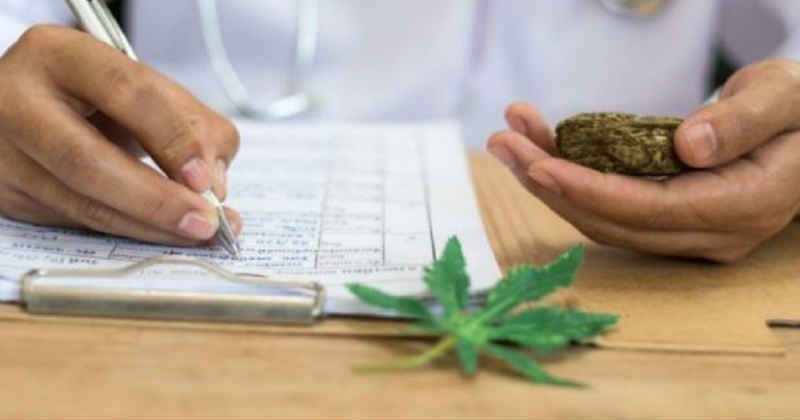
Recognition of the therapeutic virtues of cannabis now extends to a wide range of pathologies. However, medical cannabis treatments depend on the laws of the countries or states in which they are authorized.
Epilepsy
All American states except Louisiana have listed epilepsy as a condition justifying the use of medical cannabis, and of all the conditions it is surely the one that has received the most media coverage and contributed to the recognition of cannabis' therapeutic virtues. In the UK, parents fight to treat their epileptic children with CBD oil triggered the legalization of medical cannabis by the government.
Epilepsy is a disease that affects the nervous system, resulting in electrical hyperactivity in the brain that causes seizures. 65 million people worldwide suffer from epilepsy, and a third of them suffer from severe forms of epilepsy that are resistant to traditional medication, causing uncontrollable and numerous seizures. For these people, cannabis has been a veritable revolution, and there is no shortage of testimonials on the subject.
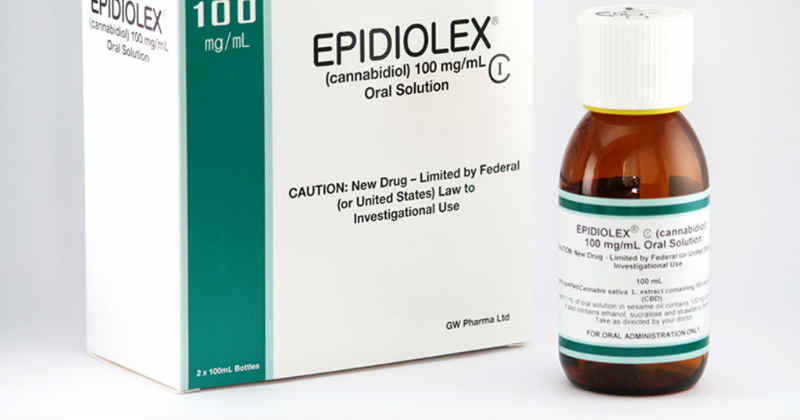
CBD oil reduces seizures associated with Dravet syndrome (a severe form of epilepsy) by 39%, and in general, the CBD-based drug Epidiolex reduces seizures by 42%. A case study of an American girl named Charlotte Figi is representative of the treatment's effectiveness: it has gone from fifty or so daily attacks to two or three a day. The question today is, which molecule is most effective in the treatment of the disease: CBD, THC or a mixture of the two.
Cancer
The current treatment for cancer, chemotherapy, is a very heavy treatment that destroys healthy cells as well as cancerous ones, and is accompanied by numerous side effects such as nausea and vomiting, loss of appetite, hair loss, fatigue and pain, among others. Cannabis is said to be effective in relieving these side effects. The antiemetic effect of cannabinoids, for example, reduces nausea and vomiting, stimulates appetite and relieves pain. Visit cannabis medicines prescribed are generally dronabinol and nabilone, which are synthetic cannabinoids that mimic the action of THC. Only Louisiana and Maryland do not include cancer in the list of illnesses qualifying for access to medical cannabis.
Scientific research, however, seems to be moving in the direction of major discoveries: cannabis is not just a complementary treatment for the side effects of chemotherapy, but could well be a "cure-all". cancer treatment in its own right. Studies show that certain cannabinoids can prevent cancer cells from proliferating, metastasizing or even committing suicide (apostosis). They have the potential to alter the intercellular signals that determine cell survival and growth. If these effects are scientifically proven, it would be a veritable revolution in the fight against cancer.
Pain
Pain can take many forms and have many causes. Pain sensitivity varies from one individual to another, and is therefore complicated to treat. However, certain drugs can annihilate the sensation of pain. The problem with traditional analgesics is that patients develop tolerance or even resistance to their effects. Cannabis is not as powerful as morphine, but it can be more effective in treating certain types of pain. On the other hand, its effect is unpredictable and varies from one individual to another and from one condition to another.
Pain, in any case, represents the majority cause of medical cannabis prescriptions. Cannabis is generally smoked, and it's the synergy of CBD and THC molecules that has an analgesic effect. Visit Dronabinol can also be prescribed for pain, and is used in particular for pain associated with cancer and its treatment. Only Maryland and Pennsylvania have not included pain in their medical cannabis programs.
AIDS
Acquired immunodeficiency syndrome (AIDS) is the set of symptoms caused by the destruction of immune system cells by the immunodeficiency virus HIV. It is therefore the final stage of infection, and the set of conditions caused by an extremely weak immune system. The virus affects over 35 million people worldwide, and AIDS has caused over 36 million deaths since 1980.
The symptoms of the disease are numerous and disabling, and cannabis can alleviate a number of them: for example, it stimulates appetite, has an antiemetic and analgesic effect, and can relieve anxiety and mood disorders. It also reduces the symptoms of peripheral neuropathy, a type of pain specific to AIDS and diabetes.
A study even determined that cannabis could be effective against the spread of the virus which, at an advanced stage, mutates to infect resting immune cells. By activating the CB1 and CB2 molecular receptors, cannabinoids block the signaling process that allows the virus to infiltrate these cells, thus slowing down the infection. It's a promising treatment for a disease that is still incurable.
Glaucoma
Glaucoma is an eye disease that leads to loss of visual acuity or even blindness. The cause is excessive intraocular pressure, which damages the optic nerve. Cannabis can be a suitable treatment, as it reduces intraocular pressure. It also has myotic properties which can prevent mydriasis (dilation of the pupil, causing tension in the eye which can lead to glaucoma). Finally, for the rarer, more severe forms of glaucoma known as angle closure, cannabis' analgesic and anti-inflammatory properties can be effective.
PTSD (post-traumatic stress disorder)
This syndrome is characterized by acute anxiety that frequently resurfaces long after the traumatic situation that caused it. It is common among veterans and victims of sexual assault. It is a psychiatric disorder whose symptoms include depression, anxiety, hyper-anxiety, anger and hyper-vigilance, as well as vivid memories of the traumatic event. Cannabis is said to calm sleep and nightmares, stabilize mood and calm panic attacks, anxiety and anger.
The effects of cannabis on this syndrome are controversial. While it may calm patients, it also seems to create a dependency characterized by increased symptoms when consumption stops. It has been noted that people suffering from psychological disorders are more likely to use cannabis, and that its use can aggravate disorders in the long term, while relieving them in the short term. Long-term effects, however, are difficult for scientific research to assess, as they require extremely long follow-up. For what it's worth, many PTSD patients are campaigning for access to the drug.
Cachexia
Cachexia corresponds to a serious deterioration in an individual's general condition, linked to severe undernutrition and resulting in significant loss of muscle mass. It is often associated with other illnesses such as anorexia nervosa, cancer, heart, kidney or liver failure, or infectious diseases such as tuberculosis and AIDS. Treatment of cachexia involves renutrition. Cannabis can help by stimulating the appetite, and researchers associate its use with weight gain.
Spasms
Cannabis is reputed to be effective against muscle spasms and could therefore prove useful in combating the disabling symptoms of Parkinson's disease and multiple sclerosis by maintaining a form of plasticity.
Nausea
As mentioned above for cancer and AIDS, the antiemetic effects of cannabis can treat problems of nausea.
Alzheimer
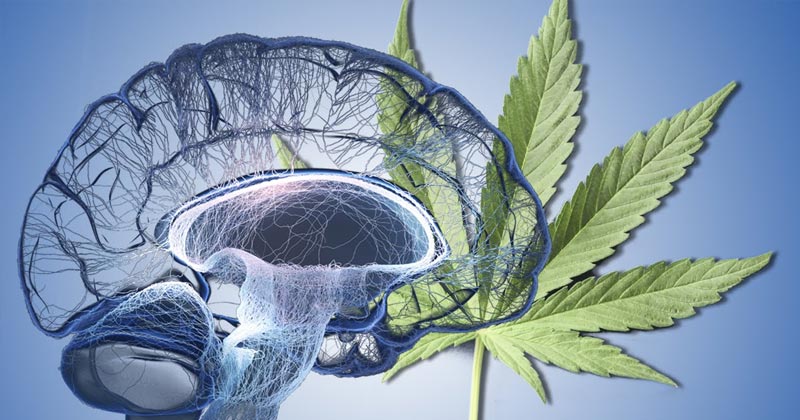
Alzheimer's is a neurodegenerative disease caused by the accumulation of a protein in the brain that leads to inflammation and the formation of so-called «senile plaques». According to a study, THC consumption reduces the concentration of these proteins, thus preventing the formation of plaques. The anti-inflammatory and antioxidant effects of cannabis are also beneficial in preventing the disease. What's more, cannabis also appears to stimulate neurogenesis, the creation of new neural tissue to compensate for its destruction by Alzheimer's disease. It is therefore an extremely promising treatment.
Other diseases
Some states do not set limits on the diseases that qualify for access to the drug, leaving this choice to the discretion of doctors. In fact, there are other conditions not included in this list for which cannabis can have a beneficial effect, such as fibromyalgia, Lyme disease but also autism.
While scientific research takes time, patients are already mobilizing to assert their right to health. Research often stems from their testimonials to the efficacy of cannabis. As research progresses, state medical cannabis programs expand.













Medical Cannabis in Germany: THC Prices Vary by a Factor of 12

France already has 3,000 cannabis retail outlets. None of them are legal.

Morocco's exports of legal cannabis have expanded to 15 countries

Aurora Cannabis Doubles Its Production Capacity in Germany

Tilray is accelerating its operations in Europe thanks to a license in Portugal

Boston will host the 10th annual State of the Cannabis Industry Conference on October 26

A DEA report confirms that there are no fatal cannabis overdoses

A British patient is challenging the NHS's refusal to reimburse medical cannabis

October 2026 CBD Highlights: 10 Strains and Hash to Discover from 5 French Producers

CBD in France: Traceability, Retail Stores, THC and Driving… What the New Bill Proposes
-
 Business2 weeks ago
The legal cannabis market in New York exceeds 4 billion $ in revenue
-

 Cannabis in France3 weeks ago
Which countries legalized medical cannabis before France?
-
Business3 weeks ago
South Korea is preparing to begin local production of medical cannabis to meet rising demand
-
Cannabis in Thailand3 weeks ago
From the boom in dispensaries to a purely medical approach: Thailand is revising its cannabis policy
-
Cannabis and driving3 weeks ago
Medical Cannabis and Driving: New South Wales Ends Automatic Penalties for THC
-
Cannabis in Argentina4 weeks ago
Argentina Opens Its Market to Hemp Flowers Containing 1% of THC
-
Autism3 weeks ago
Autism and Cannabis: Results from the First Placebo-Controlled Trial of NTI164
-
Cannabis in France2 weeks ago
France’s Drug Policy Chief Defends Cannabis Prohibition... and Runs Into the Facts

















You must be logged in to post a comment Login