
Is THC more effective than CBD in treating epilepsy?

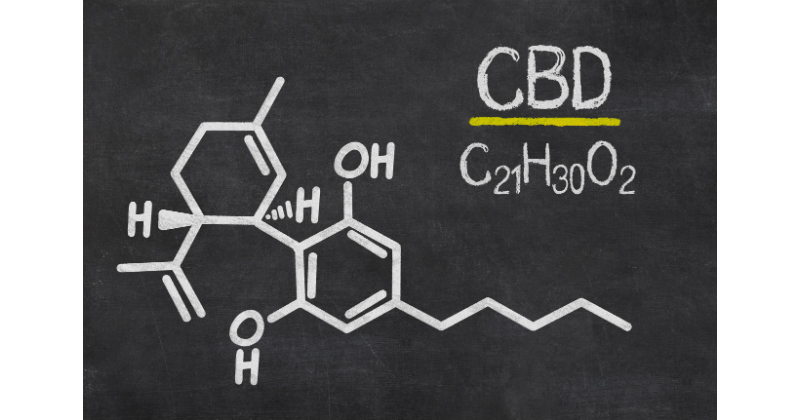
When Charlotte Figi has brought cannabis into the spotlight as a treatment for his epilepsy, allowing the general public to learn about the effects of cannabidiol (CBD) for his Dravet syndrome, which caused him to have up to 300 epileptic seizures per week. CBD is now recognized as a treatment for epilepsy. But is this non-psychotropic compound really more effective than THC? Or is it simply considered so to avoid administering THC to patients? A recent Australian study examined the effectiveness of various products.
Epilepsy and Cannabis
Cannabis is often prescribed for medical purposes to treat certain conditions that are resistant to conventional treatments, such as epilepsy. In this context, cannabis is used to treat or alleviate severe epileptic symptoms and reduce the number of seizures, sometimes to the point where they virtually disappear.
Recently, the story of the young Billy Caldwell has shocked the United Kingdom. This 12-year-old boy had his cannabis oil-based medication confiscated at Heathrow Airport. Billy requires a mixture of THC and CBD, and THC is illegal in the United Kingdom. Billy subsequently fell into a serious condition, requiring urgent intervention by the Department of Health to restore his treatment—a move partly driven by public pressure. The United Kingdom is now thinking about it, by the way to authorize the prescription of medical cannabis.
The Efficacy of THC
Although CBD is widely associated with the treatment of epilepsy, a recent study An Australian study suggests that THC might prove to be more effective. In fact, scientists have observed several things: first, families who have turned to the black market are not getting products high in CBD. The products are, however, effective for their treatment.
Furthermore, legal medications containing THC—even at levels too low for patients to feel its effects—were more effective than those that did not contain it. Professor Iain McGregor explains: «While the illicit extracts we analyzed contained low doses of CBD, three out of four were reported to be effective, which highlights the importance of researching the cannabis plant in its entirety for the treatment of epilepsy.» This finding ultimately echoes the’entourage effect, a phenomenon that demonstrates that the active ingredients in cannabis are more effective when combined than when taken separately.
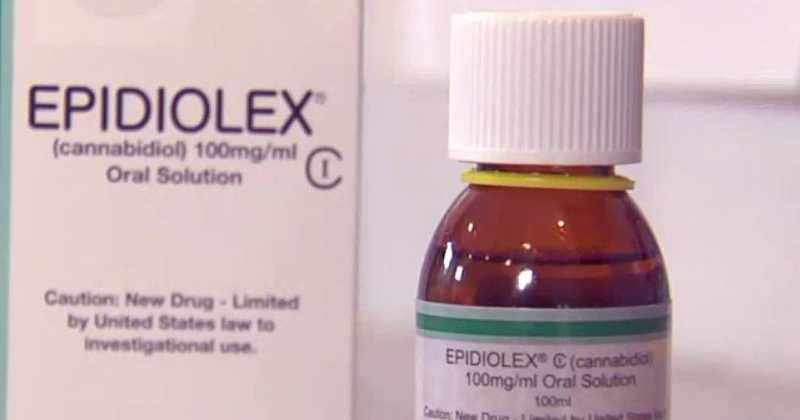
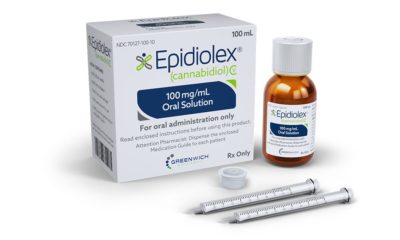
Lorraine Elwell, a mother whose child also has Dravet syndrome—a severe form of epilepsy—had been treating the condition with illegal substances until the’Epidiolex, a CBD-based medication that contains no THC. She said to have found the product «less effective» than black-market products, even though the medication has a positive impact on the patient’s life.








CBD is said to promote athletic recovery, without improving performance

294 cannabis clubs in Chile: a booming movement with uneven distribution

Chronic Sciatica: New York Approves First Clinical Trial of a THC-Based Medication

United States: The DEA is accelerating the integration of medical cannabis at the federal level

Florida is nearing one million patients using medical cannabis

Uruguay Revives Its Plan to Allow Tourists to Legally Access Cannabis

In Brazil, researchers are developing an innovative CBD eye drop

Autism: Medical Cannabis Is Linked to Reduced Anxiety

The $28 billion U.S. hemp market remains under threat

Jamaica Eases Small Farmers' Access to the Cannabis Market
-
 Business5 days ago
The legal cannabis market in New York exceeds 4 billion $ in revenue
-
Cannabis and driving4 weeks ago
Cannabis and CBD: French Drivers Can Now Lose Their License Even Without a Positive Test Result
-

 Cannabis in France2 weeks ago
Which countries legalized medical cannabis before France?
-
Business2 weeks ago
South Korea is preparing to begin local production of medical cannabis to meet rising demand
-
Cannabis in the Netherlands4 weeks ago
One year after the launch of the Dutch cannabis experiment, the first trends are emerging
-
Cannabis in Thailand2 weeks ago
From the boom in dispensaries to a purely medical approach: Thailand is revising its cannabis policy
-
Cannabis in France4 weeks ago
French medical cannabis remains stalled at the Ministry of Health
-
Cannabis in Argentina3 weeks ago
Argentina Opens Its Market to Hemp Flowers Containing 1% of THC












You must be logged in to post a comment Login