Thailand prepares to decriminalize cannabis

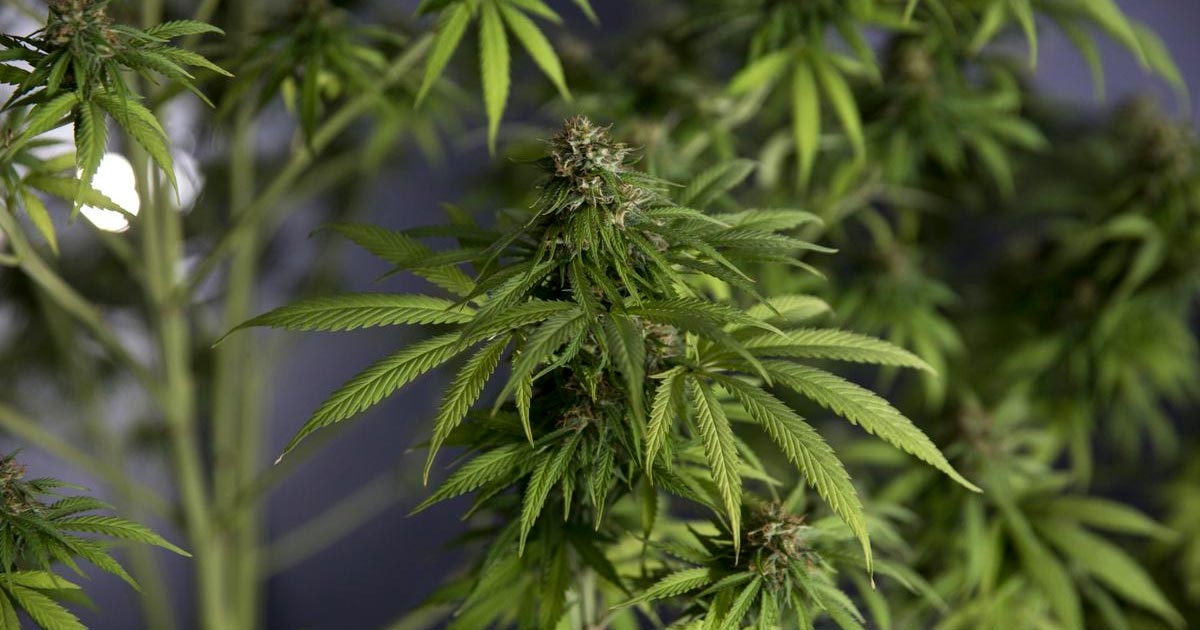
In 2018, Thailand became the the first country in Southeast Asia to legalize medical cannabis, with a strong commitment to making it widely accessible while preserving its sovereignty in this area. However, the country is not limiting itself to medical use and aims to accelerate the decriminalization—and even the legalization—of cannabis.
Last December, the country removed certain parts of the plant (the stems, roots, leaves, and branches of cannabis) from its list of Category 5 narcotics, while keeping the seeds and flowers on the list. The use of flowers and extracts containing more than 0.2% of THC remained permitted for medical purposes.
In early January, a new narcotics code, pushed by the Ministry of Health, removed cannabis from the list of controlled substances. Since then, there has been some confusion between the two sets of regulations and among representative bodies. According to police officials and the National Office for Drug Control (ONCB), cannabis remains illegal despite the regulatory changes, and those who cultivate or possess the plant without authorization are still subject to prosecution.
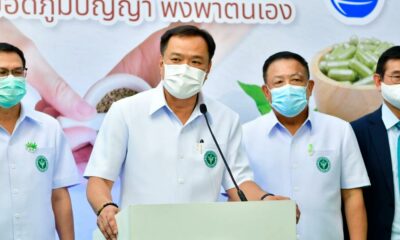
To clear up any misunderstanding, the Thai Ministry of Health will need to issue a new ministerial announcement, which state authorities will be required to comply with. The draft ministerial announcement will be submitted to the ONCB on January 25 for approval, before Public Health Minister Anutin Charnvirakul signs it.
If everything goes as planned, this would mean that Thai citizens could have easier access to cannabis without fear of going to prison or having to pay large fines.
«If we succeed in decriminalizing cannabis, we’ll be able to benefit from the entire plant, not just certain parts,» explains Within Sariddeechaikool, deputy secretary-general of the Thai Food and Drug Administration. «The flowers and seeds could be used commercially and in compliance with the law.».
«Although the change in the law allows for the purchase, sale, and consumption of all parts of the cannabis plant, recreational use will likely remain regulated, as cannabis extracts with higher levels of tetrahydrocannabinol »[...] will always be regulated," he declared Chaiwat Sowcharoensuk, an analyst at Krungsri Research. «Manufacturers of cannabis-based soaps, beauty products, and cosmetics will likely benefit the most from decriminalization.»
In an interview with Vice last December, Deputy Prime Minister and Minister of Public Health Anuntin Charnvirakul said mentioned the public health benefits and positive economic impacts of this change in the law: «What we have achieved so far is to declare that the stems, cannabis roots, », cannabis leaves and stems are not drugs. Starting next year, we will remove everything—stems, roots, stalks, leaves, buds, flowers, and seeds—from the list of controlled substances."
«When the economy recovers and we don’t have new products as alternatives, people will continue to do the same things and compete with one another. But if we offer them a choice, they can learn to draw inspiration from it by creating new products and business models, which in turn will accelerate the economic recovery.»













Proposition 215, 30 Years Later: When Cannabis in California Was a Movement, Not an Industry

Village Farms Expands Cannabis Production in the Netherlands while its European Business Jumps by 75%

Bedrocan's bankruptcy delays medical cannabis reform in the Netherlands

Where to Buy Affordable CBD in 2026? Our Tips for Making the Right Choice

"No authorization, no organic certification for CBD products," rules the European Court of Justice

Denmark Revises Medical Cannabis Prices Following Errors

Silent Seeds introduces its CB2 gummies: a new generation of THC-free wellness products

2,800-Year-Old Cannabis Seeds Discovered in Siberia

2026 U.S. Midterm Elections: A Major Victory for Cannabis Legalization

The United Kingdom is set to ban THCA and HHC
-
 Business3 weeks ago
Cronos Completes the Acquisition of CanAdelaar for 57.5 million euros
-
Cannabis in France4 weeks ago
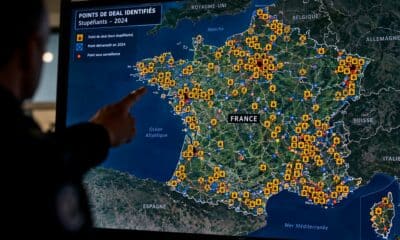
France already has 3,000 cannabis retail outlets. None of them are legal.
-
Cannabis in Quebec2 weeks ago
Cannabis: What France Could Learn from Quebec, Eight Years After Legalization
-
Cannabis in the U.S.4 weeks ago
A DEA report confirms that there are no fatal cannabis overdoses
-
Cannabis in France4 weeks ago
CBD in France: Traceability, Retail Stores, THC and Driving… What the New Bill Proposes
-
Business4 weeks ago
Tilray is accelerating its operations in Europe thanks to a license in Portugal
-
Cannabis in New Zealand2 weeks ago
Chronic Pain: New Zealand Is Testing Cannabis to Improve Sleep
-
CBD4 weeks ago
October 2026 CBD Highlights: 10 Strains and Hash to Discover from 5 French Producers












You must be logged in to post a comment Login