
Thailand prepares to decriminalize cannabis

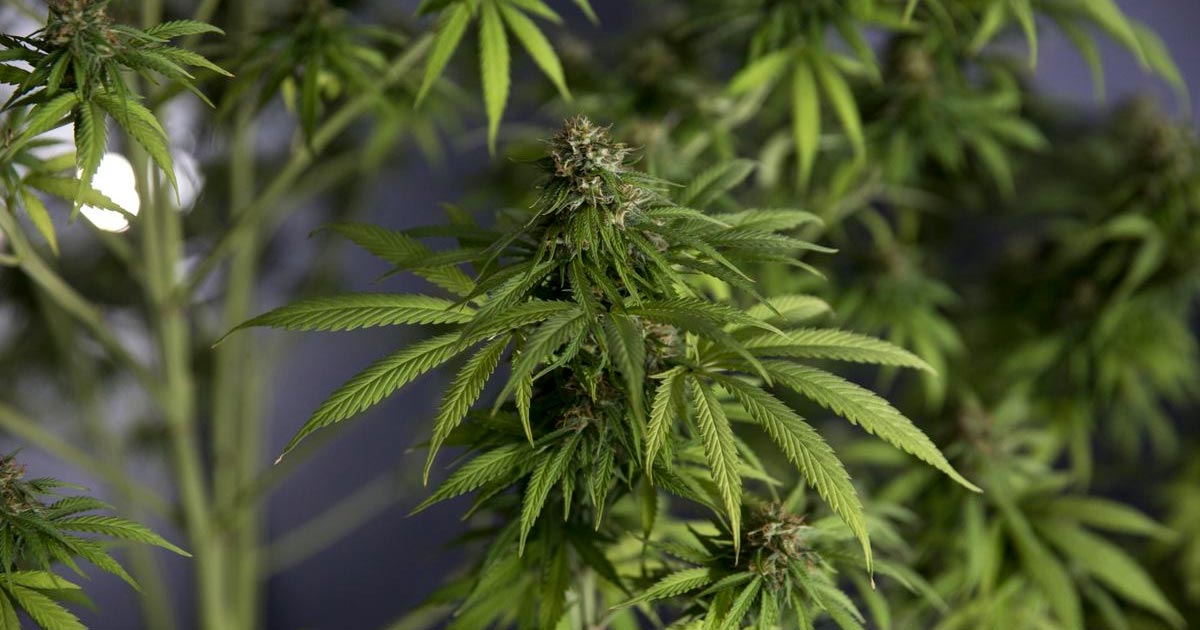
In 2018, Thailand became the the first country in Southeast Asia to legalize medical cannabis, with a strong commitment to making it widely accessible while preserving its sovereignty in this area. However, the country is not limiting itself to medical use and aims to accelerate the decriminalization—and even the legalization—of cannabis.
Last December, the country removed certain parts of the plant (the stems, roots, leaves, and branches of cannabis) from its list of Category 5 narcotics, while keeping the seeds and flowers on the list. The use of flowers and extracts containing more than 0.2% of THC remained permitted for medical purposes.
In early January, a new narcotics code, pushed by the Ministry of Health, removed cannabis from the list of controlled substances. Since then, there has been some confusion between the two sets of regulations and among representative bodies. According to police officials and the National Office for Drug Control (ONCB), cannabis remains illegal despite the regulatory changes, and those who cultivate or possess the plant without authorization are still subject to prosecution.
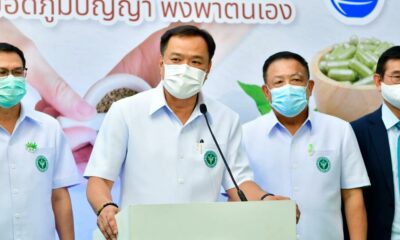
To clear up any misunderstanding, the Thai Ministry of Health will need to issue a new ministerial announcement, which state authorities will be required to comply with. The draft ministerial announcement will be submitted to the ONCB on January 25 for approval, before Public Health Minister Anutin Charnvirakul signs it.
If everything goes as planned, this would mean that Thai citizens could have easier access to cannabis without fear of going to prison or having to pay large fines.
«If we succeed in decriminalizing cannabis, we’ll be able to benefit from the entire plant, not just certain parts,» explains Within Sariddeechaikool, deputy secretary-general of the Thai Food and Drug Administration. «The flowers and seeds could be used commercially and in compliance with the law.».
«Although the change in the law allows for the purchase, sale, and consumption of all parts of the cannabis plant, recreational use will likely remain regulated, as cannabis extracts with higher levels of tetrahydrocannabinol »[...] will always be regulated," he declared Chaiwat Sowcharoensuk, an analyst at Krungsri Research. «Manufacturers of cannabis-based soaps, beauty products, and cosmetics will likely benefit the most from decriminalization.»
In an interview with Vice last December, Deputy Prime Minister and Minister of Public Health Anuntin Charnvirakul said mentioned the public health benefits and positive economic impacts of this change in the law: «What we have achieved so far is to declare that the stems, cannabis roots, », cannabis leaves and stems are not drugs. Starting next year, we will remove everything—stems, roots, stalks, leaves, buds, flowers, and seeds—from the list of controlled substances."
«When the economy recovers and we don’t have new products as alternatives, people will continue to do the same things and compete with one another. But if we offer them a choice, they can learn to draw inspiration from it by creating new products and business models, which in turn will accelerate the economic recovery.»












Autism and Cannabis: Results from the First Placebo-Controlled Trial of NTI164

Which countries legalized medical cannabis before France?

From the boom in dispensaries to a purely medical approach: Thailand is revising its cannabis policy

South Korea is preparing to begin local production of medical cannabis to meet rising demand

In the United States, cannabis use among high school students has reached an all-time low

Medical cannabis use surges by 64 % in Denmark

Canopy Growth Enters the U.K. Market with Four Canadian Strains

CBD: Full-Spectrum Extracts Under Threat in Greece

Medical Cannabis and Back Pain: Opioid Use Has Dropped by 90 % in 10 Years

Cannabis: Wisconsin Could Finally Legalize It in 2027
-
 Cannabis and driving2 weeks ago
Cannabis and CBD: French Drivers Can Now Lose Their License Even Without a Positive Test Result
-
Cannabis in France3 weeks ago
Cannabis Legalization: The LFI Bill Has a Major Problem—THC
-

 Cannabis in France17 hours ago
Which countries legalized medical cannabis before France?
-
Cannabis in the Netherlands2 weeks ago
One year after the launch of the Dutch cannabis experiment, the first trends are emerging
-
Cannabis in France2 weeks ago
French medical cannabis remains stalled at the Ministry of Health
-
Cannabis in Argentina1 week ago
Argentina Opens Its Market to Hemp Flowers Containing 1% of THC
-
Business2 weeks ago
The United Kingdom Is Moving Closer to a Regulated CBD Market
-
Cannabis in France1 week ago
Rima Hassan: When «Drugs» Become a Political Weapon











You must be logged in to post a comment Login