Texas attorney general sues cities over cannabis decriminalization policy

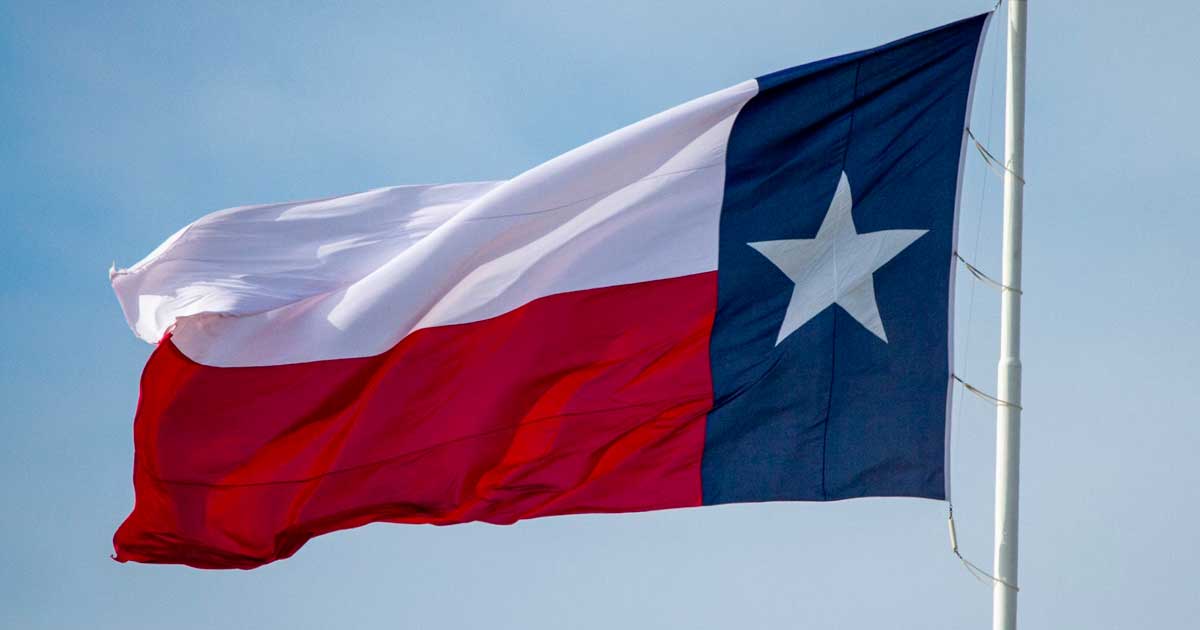
Texas Attorney General Ken Paxton has filed lawsuits against several cities that have adopted voter-approved cannabis decriminalization policies.
The lawsuits target cities such as Austin, Denton, Elgin, Killeen, and San Marcos, where local authorities have adopted decriminalization measures that conflict with state laws prohibiting cannabis possession. Paxton argues that these local initiatives are unconstitutional and undermine the legislative process, stating in a press release that «Texas must have a law to «follow the law».».
The conflict between the state and local governments over cannabis policies is not limited to Texas. Similar conflicts have arisen in other states, reflecting a broader struggle between advocates of local autonomy and proponents of uniform drug laws. While supporters of local initiatives advocate for decision-making at the local level, opponents emphasize the importance of consistent law enforcement and public safety.
The legal battle in Texas is taking place against the backdrop of shifting American attitudes toward cannabis. A growing number of Americans, including Texans, believe that the criminalization of cannabis is outdated and advocate for redirecting resources toward more pressing issues. However, entrenched legal frameworks and political interests complicate efforts to reform drug policy at both the state and federal levels.
The outcome of these legal actions will have significant implications for cannabis regulation, not only in Texas, but also across the country. A victory for the state could set a precedent for challenging local cannabis laws in other states, which could hinder decentralization efforts. Conversely, a ruling in favor of local autonomy could encourage more cities to adopt independent approaches to drug policy, thereby challenging the supremacy of state laws.
Despite the legal setbacks suffered by some cities, the momentum behind cannabis reform remains strong. While the city of Harker Heights withdrew its decriminalization initiative following the lawsuit, other municipalities continue to push for change. In particular, members of the Lubbock City Council recently rejected a proposal to decriminalize cannabis, leading to the issue being put before voters in elections to be held later this year.
Ultimately, the clash between the state and local authorities over the decriminalization of cannabis reflects deeper tensions surrounding governance, individual rights, and social policy. As the legal battles unfold, stakeholders on all sides will continue to grapple with competing visions of drug regulation and the appropriate role of government in shaping public behavior.






















JIHE 2026: Japan’s Largest Trade Show Dedicated to Hemp and CBD Returns to Tokyo with More Than 100 Industry Players

New Caledonia: The Courts Clear the Way for the Return of CBD

The Brazilian medical cannabis market continues to grow

Morocco: Three Cannabis-Based Medications Approved for the Treatment of Epilepsy

Canopy Growth Receives New EU-GMP Certification to Strengthen Its Presence in Europe

Three years after legalizing medical cannabis, Albania continues to establish regulations for it

The first plant-based medical THC spray arrives in the United Kingdom

Medical Cannabis in Germany: THC Prices Vary by a Factor of 12

France already has 3,000 cannabis retail outlets. None of them are legal.

Morocco's exports of legal cannabis have expanded to 15 countries
-
 Business2 weeks ago
The legal cannabis market in New York exceeds 4 billion $ in revenue
-

 Cannabis in France4 weeks ago
Which countries legalized medical cannabis before France?
-
Business4 weeks ago
South Korea is preparing to begin local production of medical cannabis to meet rising demand
-
Cannabis in France4 days ago
France already has 3,000 cannabis retail outlets. None of them are legal.
-
Cannabis in Thailand4 weeks ago
From the boom in dispensaries to a purely medical approach: Thailand is revising its cannabis policy
-
Cannabis in the U.S.5 days ago
A DEA report confirms that there are no fatal cannabis overdoses
-
Cannabis and driving3 weeks ago
Medical Cannabis and Driving: New South Wales Ends Automatic Penalties for THC
-
Cannabis in France3 weeks ago
France’s Drug Policy Chief Defends Cannabis Prohibition... and Runs Into the Facts

















You must be logged in to post a comment Login