Study: higher THC levels do not necessarily lead to stronger effects

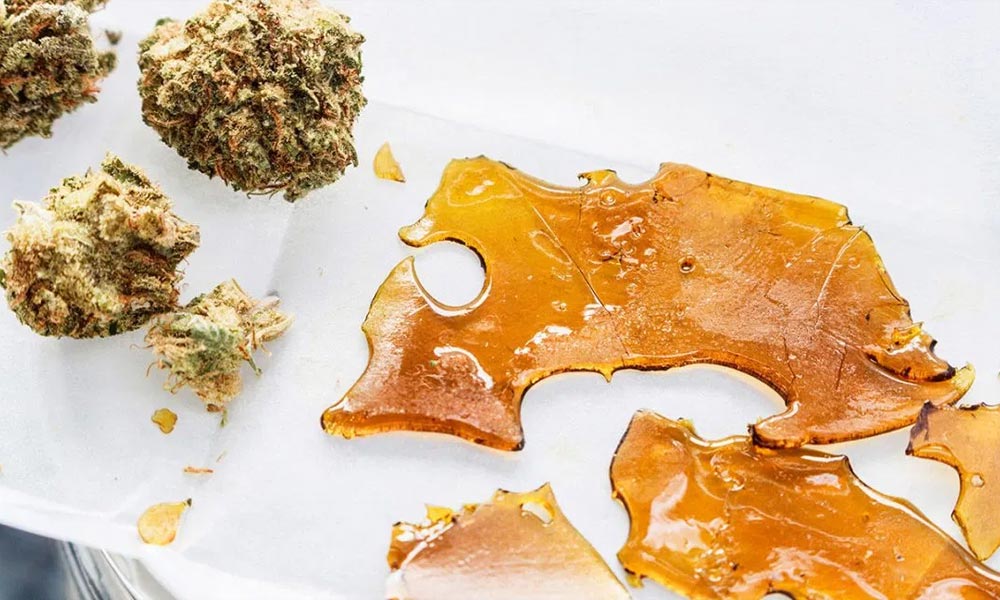
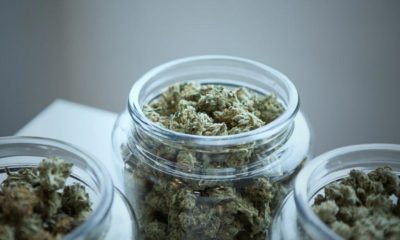
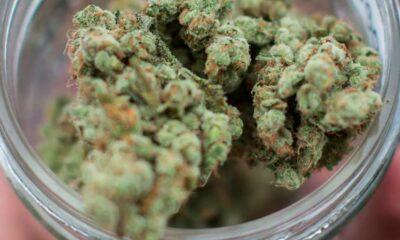
The cannabis concentrates, which are higher in THC than cannabis flowers, increase THC levels in the blood more but do not necessarily produce a stronger high, according to a recent study published in JAMA Psychiatry.
Thus, study participants who consumed cannabis flowers and those who consumed cannabis concentrates «showed similar neurobehavioral patterns after acute cannabis use».
The researchers speculate that this may be due to the fact that concentrate users have a greater tolerance to the effects of THC, or that «cannabinoid receptors can become saturated with THC» when consumed in high doses.
The study surveyed 121 consumers of cannabis flowers and concentrates, randomly selected to buy and consume both high and low THC products.
The study included 55 flower and 66 concentrate users between the ages of 21 and 70, who had consumed cannabis four times in the past month, did not use tobacco daily and had previously used concentrates without adverse effects, among other criteria. U.S. regulations severely restricting the supply of cannabis for studies, participants were asked to buy 3 grams of a variety with 16% THC or 24% THC, while «concentrated» participants bought 1 gram of concentrate with 70% or 90% THC.
3 grams and 5 days
After 5 days of acclimatization to the products, participants consumed their cannabis at home using their preferred method, then were assessed in a mobile laboratory dispatched to check their short-term intoxication.
L’study aimed to answer several key questions: how short-term use of cannabis flower and concentrates is associated with plasma THC levels, subjective intoxication and mood, cognitive performance and balance, whether these consequences differ between flower and concentrate users, and whether they differ in relation to THC potency.
Cannabis intoxication was measured using the 12-item cannabis effects scale of the’Addiction Research Center, They were also asked to complete four cognitive tasks, including three separate memory tasks and a balance test. They were also asked to perform four cognitive tasks, including three separate memory-related tasks and a balance test.
Concentrate users «reported more frequent recent consumption of concentrate and had higher blood levels of THC and metabolites at baseline». Nevertheless, «despite this higher THC exposure, concentrate users did not show greater subjective, cognitive or balance impairment in the short term», according to the researchers.
The researchers stated that part of their motivation was to assess the potential negative effects of THC on the brain, and that «the existing literature is limited by the use of low-THC products and drug delivery approaches that do not reflect the law. cannabis use on the market».
They also stated that the «much higher» exposure to THC among concentrate users was a cause for concern about the «long-term clinical and neurobehavioral implications of concentrate consumption».


















«Vincy Gold»: Humboldt Seed Company on the Hunt for Saint Vincent Sativas

Cronos Completes the Acquisition of CanAdelaar for 57.5 million euros

Cannabis with a "bloody" twist: Discover Sensi True Blood and Sensi Sangria, the two new strains from Sensi Seeds

Hemp: The Council of the EU Takes a Stand on New Production and Marketing Rules

Missouri's legal cannabis market accounts for 93 % of consumer spending

THC Gummies: How to Read a Certificate of Analysis Before Buying

British patients now have access to THCV-rich cannabis flowers

Spain: Medical Cannabis Is Coming to About 50 Hospitals

JIHE 2026: Japan’s Largest Trade Show Dedicated to Hemp and CBD Returns to Tokyo with More Than 100 Industry Players

New Caledonia: The Courts Clear the Way for the Return of CBD
-
 Business3 weeks ago
The legal cannabis market in New York exceeds 4 billion $ in revenue
-

 Cannabis in France4 weeks ago
Which countries legalized medical cannabis before France?
-
Cannabis in France1 week ago
France already has 3,000 cannabis retail outlets. None of them are legal.
-
Business4 weeks ago
South Korea is preparing to begin local production of medical cannabis to meet rising demand
-
Cannabis in the U.S.1 week ago
A DEA report confirms that there are no fatal cannabis overdoses
-
Cannabis in Thailand4 weeks ago
From the boom in dispensaries to a purely medical approach: Thailand is revising its cannabis policy
-
Cannabis and driving4 weeks ago
Medical Cannabis and Driving: New South Wales Ends Automatic Penalties for THC
-
Cannabis in France3 weeks ago
France’s Drug Policy Chief Defends Cannabis Prohibition... and Runs Into the Facts
















You must be logged in to post a comment Login