Why Israeli cannabis leader Tikun Olam is looking to resell its activities

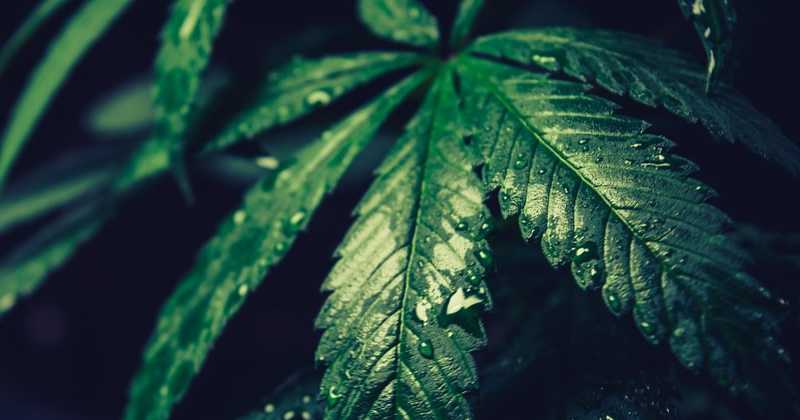
Tikun Olam, which until recently controlled half of the local medical cannabis market, will be forced to sell its Israeli facilities following a court ruling upholding the Ministry of Health's decision to revoke the company's license, unless founder Tzachi Cohen reduces the number of company assets he owns.
Tikun was the first company to receive a medical cannabis license in Israel and is its largest operator. However, it was forced to stop supplying its products to patients earlier this year, due to a reform led by the Israeli Ministry of Health, which imposed much stricter regulations on facilities. The Ministry of Health had ordered the company to temporarily suspend its activities, fearing that its drying process did not comply with regulations. In February, the company informed patients of a supply shortage that would last longer than expected, mainly due to delays related to the relocation of facilities, which therefore had to comply with stricter rules. At the time, Tikun Olam had set a resupply date of July.
However, the Ministry of Health didn't take kindly to the fact that Tzachi Cohen owned so many shares in the company, almost 70%. The Ministry of Health ordered him to reduce this figure to around 5%, or risk losing his license. Law enforcement agencies had also recommended that the Ministry not renew the company's cultivation license. The decision was therefore taken to sell the company's Israeli activities. Aharon Lutzky, Chairman of Tikun Olam, said the company would «act in accordance with the court's directive. Our goal is to ensure that our patients can continue to receive the treatment they expect when the company returns to full operation in Israel, regardless of its leadership».
Tikun Olam began as a non-profit organization when Israel first authorized the use of cannabis for medical purposes under highly regulated conditions. The company's operations include a 0.24-acre cannabis farm; a Nazareth Illit factory under construction; offices and a research clinic in Tel Aviv; and a patient list of 8,000 people, with a total value of around $100 million.
The company also operates in the United States, Canada, Australia and Greece, and exports medical cannabis. These divisions are not for sale.













Medical Cannabis in Germany: THC Prices Vary by a Factor of 12

France already has 3,000 cannabis retail outlets. None of them are legal.

Morocco's exports of legal cannabis have expanded to 15 countries

Aurora Cannabis Doubles Its Production Capacity in Germany

Tilray is accelerating its operations in Europe thanks to a license in Portugal

Boston will host the 10th annual State of the Cannabis Industry Conference on October 26

A DEA report confirms that there are no fatal cannabis overdoses

A British patient is challenging the NHS's refusal to reimburse medical cannabis

October 2026 CBD Highlights: 10 Strains and Hash to Discover from 5 French Producers

CBD in France: Traceability, Retail Stores, THC and Driving… What the New Bill Proposes
-
 Business2 weeks ago
The legal cannabis market in New York exceeds 4 billion $ in revenue
-

 Cannabis in France3 weeks ago
Which countries legalized medical cannabis before France?
-
Business3 weeks ago
South Korea is preparing to begin local production of medical cannabis to meet rising demand
-
Cannabis in Thailand3 weeks ago
From the boom in dispensaries to a purely medical approach: Thailand is revising its cannabis policy
-
Cannabis and driving3 weeks ago
Medical Cannabis and Driving: New South Wales Ends Automatic Penalties for THC
-
Cannabis in Argentina4 weeks ago
Argentina Opens Its Market to Hemp Flowers Containing 1% of THC
-
Autism3 weeks ago
Autism and Cannabis: Results from the First Placebo-Controlled Trial of NTI164
-
Cannabis in France2 weeks ago
France’s Drug Policy Chief Defends Cannabis Prohibition... and Runs Into the Facts

















You must be logged in to post a comment Login