New York reduces opioid consumption by 22% thanks to medical cannabis

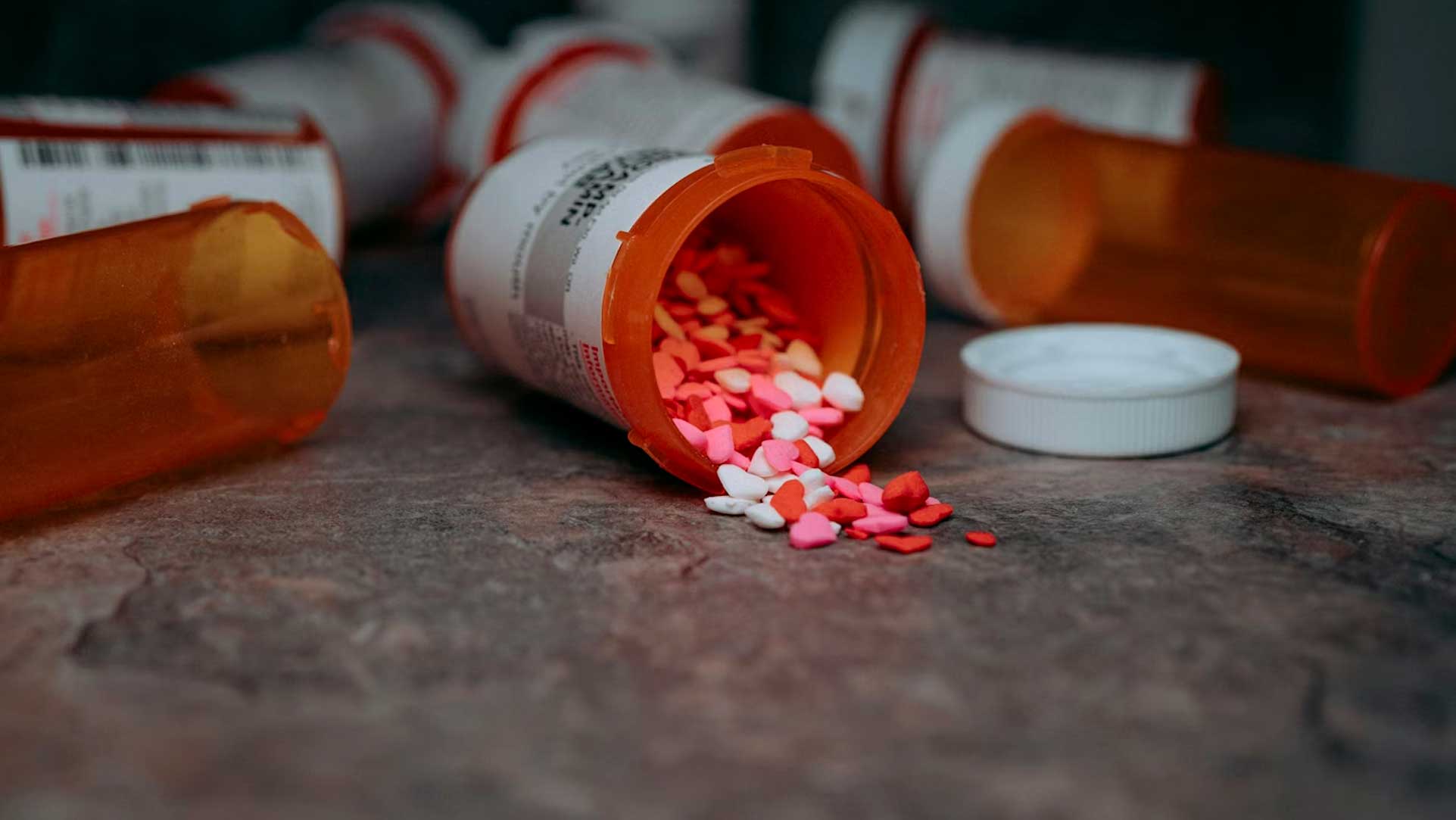
According to a new study, adults with chronic pain who participated in the New York State (NYS) medical cannabis program were significantly less likely to require prescription opioids.
This study, published in JAMA Internal Medicine and conducted by researchers from the’Albert Einstein College of Medicine and Montefiore Health System, involved 204 adults who had been prescribed opioids for chronic pain and who had recently obtained a medical cannabis certification between September 2018 and July 2023.
Participants were followed for 18 months, and data on their cannabis and opioid use were collected from the New York State Prescription Monitoring Program.
At the start of the study, most participants reported to suffer from severe pain and take an average daily dose of opioids equivalent to 73.3 mg of morphine. During the 18-month follow-up period, the average daily dose fell to 57 mg, a reduction of 22%.
Participants who received a 30-day supply of medical cannabis consumed the equivalent of 3.5 mg less morphine per day than those who did not receive cannabis during the same month.
«Chronic pain and opioid addiction are two of the the most pressing public health challenges in the United States », said Dr. Deepika E. Slawek, the study's lead author, an associate professor of medicine at Einstein and a specialist in internal medicine and addiction medicine at Montefiore.»
«Our findings indicate that medical cannabis, when distributed as part of a a system overseen by pharmacists, », can relieve chronic pain while significantly reducing patients' dependence on prescription opioids."
«The supervised use of medical cannabis could be an important tool in the fight against the opioid crisis.»
The authors argue that these findings have «significant public health implications» for medical cannabis programs and support a «medicalized model» that involves the participation of pharmacists in medical cannabis dispensaries, as opposed to models that make no distinction between medical use and adult recreational use.
Dr. Julia Arnsten, the study’s lead author, chief of general internal medicine at Montefiore Einstein, and professor of medicine, epidemiology, and public health, as well as psychiatry and behavioral sciences, added: «This research adds to a growing body of evidence supporting a model medicalized cannabis use, in which pharmacists are actively involved in dispensing, and cannabis is treated like other prescription drugs.
«We hope these findings will lead to new policies that promote the effective management of chronic pain through the use of controlled substances.»
The research team is currently conducting a randomized, placebo-controlled trial of medical cannabis to reduce the use of prescription opioids among people suffering from chronic pain.





















JIHE 2026: Japan’s Largest Trade Show Dedicated to Hemp and CBD Returns to Tokyo with More Than 100 Industry Players
New Caledonia: The Courts Clear the Way for the Return of CBD

The Brazilian medical cannabis market continues to grow

Morocco: Three Cannabis-Based Medications Approved for the Treatment of Epilepsy

Canopy Growth Receives New EU-GMP Certification to Strengthen Its Presence in Europe

Three years after legalizing medical cannabis, Albania continues to establish regulations for it

The first plant-based medical THC spray arrives in the United Kingdom

Medical Cannabis in Germany: THC Prices Vary by a Factor of 12

France already has 3,000 cannabis retail outlets. None of them are legal.

Morocco's exports of legal cannabis have expanded to 15 countries
-
 Business2 weeks ago
The legal cannabis market in New York exceeds 4 billion $ in revenue
-

 Cannabis in France4 weeks ago
Which countries legalized medical cannabis before France?
-
Business4 weeks ago
South Korea is preparing to begin local production of medical cannabis to meet rising demand
-
Cannabis in France4 days ago
France already has 3,000 cannabis retail outlets. None of them are legal.
-
Cannabis in Thailand4 weeks ago
From the boom in dispensaries to a purely medical approach: Thailand is revising its cannabis policy
-
Cannabis in the U.S.5 days ago
A DEA report confirms that there are no fatal cannabis overdoses
-
Cannabis and driving3 weeks ago
Medical Cannabis and Driving: New South Wales Ends Automatic Penalties for THC
-
Cannabis in France3 weeks ago
France’s Drug Policy Chief Defends Cannabis Prohibition... and Runs Into the Facts












You must be logged in to post a comment Login