Is irradiation enough to sanitize cannabis? A Canadian study casts doubt

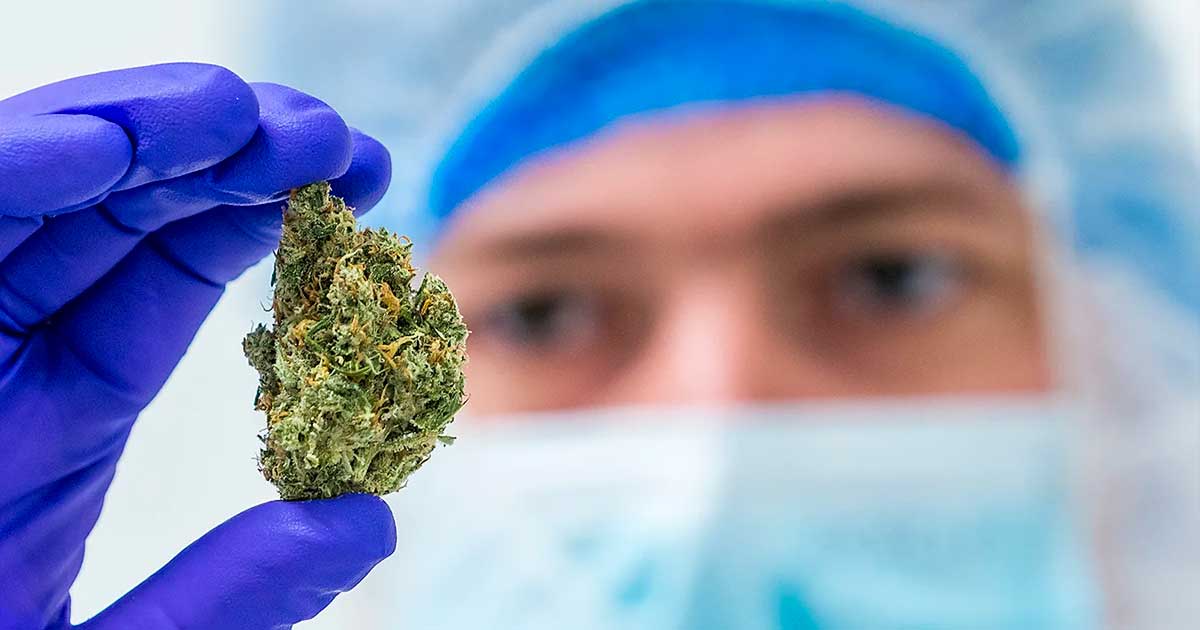
Thegamma irradiation is now widely used in the production of medical marijuana to reduce the microbial load of dried flowers. This method, intended sterilize products before they are put on the market, is now being called into question by a McGill University study, published in late 2025 in the scientific journal Toxins.
Researchers have shown that while irradiation greatly reduces detectable bacteria and molds, it does not totally eliminate some of them. toxigenic fungi, nor mycotoxins they produce. This is a cause for concern, particularly for people with weakened immune systems.
From health risks underestimated
According to the research team viable spores belonging to well-known genera such as Aspergillus, Penicillium or Fusarium persist after irradiation. These fungi are capable of producing dangerous toxins, such as aflatoxins, the ochratoxins or the deoxynivalenol (DON).
However, nearly 70% of cannabis is consumed by inhalation, This allows the spores and residues to penetrate directly into the lungs. The study points out that cases of pulmonary mycoses have been documented in both immunocompromised patients and healthy consumers.
«It only takes one viable spore to cause disease, so we had to push the analysis beyond the limits of the ELISA test,» points out Saji George, co-author of the study.
From inadequate control methods
To assess contamination, the researchers analyzed non-irradiated flowers, irradiated flowers and flowers from authorized producers, by combining three approaches: microbiological cultures PCR/qPCR to detect fungal DNA, and analysis ELISA to quantify toxins.
The result: even when products comply with Canadian regulatory thresholds for yeast and mold, and traces of fungal DNA and residual mycotoxins remain detectable. The authors believe that the tests currently used in the industry can underestimate the real risks, They do not systematically detect viable spores.
«Standard state-of-the-art analytical methods [...] are unable to detect live spores,» warns the McGill team.
Prevention and hygiene, key levers
Faced with these limitations, researchers insist on the importance of prevention, rather than just sterilization at the end of the chain. Cannabis flowers, rich in resins, provide a particularly favorable environment for the development of fungi.
«Cannabis flowers contain sticky resins that greatly promote contamination,» explains Mamta Rani, co-author of the study. She emphasizes the need for increased vigilance at every stage, from cultivation to storage.
However, some companies are able to produce flowers that are virtually free of contamination thanks to controlled environments and strict hygiene protocols. The McGill team is also working with industry to explore biological solutions, such as the use of beneficial bacteria to limit fungal growth.
The authors do not argue in favor of rejecting irradiation, but rather in favor of evolving safety standards, particularly for the medical cannabis. They call for controls combining cultural, molecular and immunological analyses, to better protect the most vulnerable consumers.
«We're not looking to tarnish the industry's image, but to ensure its viability and provide guidelines for the production of safe products,» concludes the CEO. Saji George.





















JIHE 2026: Japan’s Largest Trade Show Dedicated to Hemp and CBD Returns to Tokyo with More Than 100 Industry Players

New Caledonia: The Courts Clear the Way for the Return of CBD

The Brazilian medical cannabis market continues to grow

Morocco: Three Cannabis-Based Medications Approved for the Treatment of Epilepsy

Canopy Growth Receives New EU-GMP Certification to Strengthen Its Presence in Europe

Three years after legalizing medical cannabis, Albania continues to establish regulations for it

The first plant-based medical THC spray arrives in the United Kingdom

Medical Cannabis in Germany: THC Prices Vary by a Factor of 12

France already has 3,000 cannabis retail outlets. None of them are legal.

Morocco's exports of legal cannabis have expanded to 15 countries
-
 Business2 weeks ago
The legal cannabis market in New York exceeds 4 billion $ in revenue
-

 Cannabis in France4 weeks ago
Which countries legalized medical cannabis before France?
-
Business4 weeks ago
South Korea is preparing to begin local production of medical cannabis to meet rising demand
-
Cannabis in France4 days ago
France already has 3,000 cannabis retail outlets. None of them are legal.
-
Cannabis in Thailand4 weeks ago
From the boom in dispensaries to a purely medical approach: Thailand is revising its cannabis policy
-
Cannabis in the U.S.5 days ago
A DEA report confirms that there are no fatal cannabis overdoses
-
Cannabis and driving3 weeks ago
Medical Cannabis and Driving: New South Wales Ends Automatic Penalties for THC
-
Cannabis in France3 weeks ago
France’s Drug Policy Chief Defends Cannabis Prohibition... and Runs Into the Facts
















You must be logged in to post a comment Login