
Wisconsin: A referendum on the legalization of cannabis

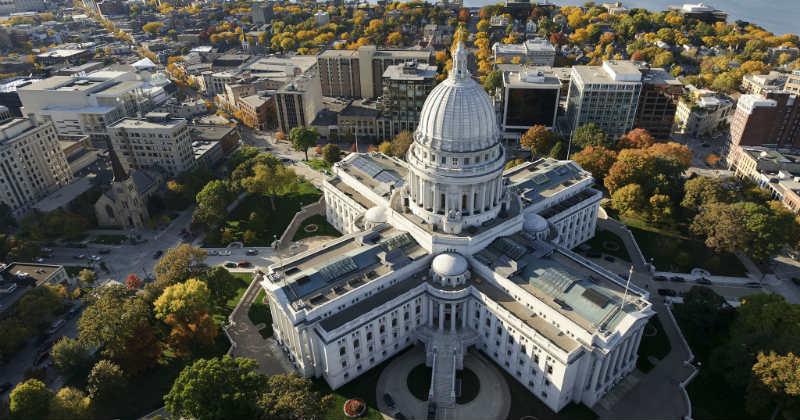
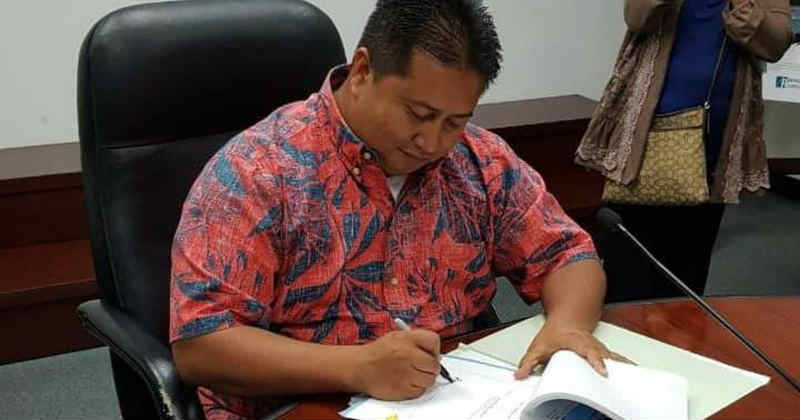
Aaron Perry, a city council member for the city of Waukesha, Wisconsin, has succeeded in getting a referendum on medical cannabis on the November ballot. On November 6, city residents will therefore vote on the following question: «Should medical cannabis be permitted in Wisconsin and regulated in the same way as other prescription drugs?».
A New Initiative
This is the first time in the United States that the issue of medical cannabis has been addressed through an advisory referendum. It is also an uncommon practice worldwide; we’ll just mention New Zealand which is set to vote on the issue of recreational use in 2020. A referendum does not bind lawmakers in any way. Its role is purely advisory and serves to gauge public opinion: «What we’re doing here is giving the people we represent the opportunity to have their voices heard on an issue.».
Aaron Perry notes that eight other municipalities have already scheduled referendums and eight more are considering doing so, and he is pleased that his city is the first to take this step: «We have the opportunity here to be leaders in the state as the first city to put the issue to a public vote.».
The city council member does, however, clarify that the issue concerns only medical cannabis. He is thinking specifically of CBD oil with a low THC content: «We’re not talking about recreational cannabis. We’re not talking about smoking «weed.» We’re not talking about getting high.» He adds that the potential legalization of medical cannabis could serve as a stepping stone in the fight against the controversial use of opioids—those highly addictive painkillers that are commonly prescribed.
A controversial initiative
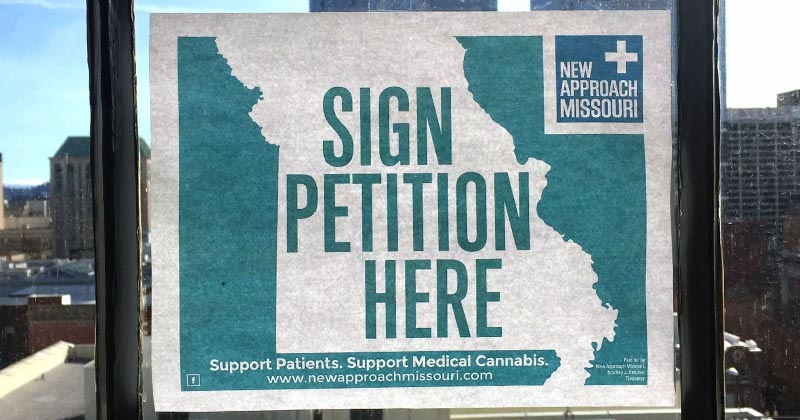
Since cannabis legislation is not within the jurisdiction of municipalities, a referendum is the default option for anyone who wants to address the issue of medical cannabis. Although purely advisory, such a referendum is not without significance and can serve as a legitimizing argument to drive cannabis legalization at the state level. This approach has been criticized by some council members, and the measure did not pass unanimously (7 votes to 4).
Kathleen Cummings and Joe Pieper are not opposed to medical cannabis itself, but rather to the approach in question, which they consider to be interference. Kathleen Cummings points out that this is an issue that must be addressed by the state and does not fall within the municipality’s jurisdiction or authority: «If the referendum results are positive, we don’t have the authority to issue ordinances or change city laws to bring them into line with those results—so what’s the point?».
Joe Pieper, for his part, says he is frustrated to see the state meddling in city affairs and refuses to do the same when it comes to state affairs: «I’m the first to get upset and complain when the state meddles in our affairs (…) For better or worse, it’s a bit hypocritical of me to get involved, at the municipal level, in something I truly consider a state matter.».






CBD is said to promote athletic recovery, without improving performance

294 cannabis clubs in Chile: a booming movement with uneven distribution

Chronic Sciatica: New York Approves First Clinical Trial of a THC-Based Medication

United States: The DEA is accelerating the integration of medical cannabis at the federal level

Florida is nearing one million patients using medical cannabis

Uruguay Revives Its Plan to Allow Tourists to Legally Access Cannabis

In Brazil, researchers are developing an innovative CBD eye drop

Autism: Medical Cannabis Is Linked to Reduced Anxiety

The $28 billion U.S. hemp market remains under threat

Jamaica Eases Small Farmers' Access to the Cannabis Market
-
 Business5 days ago
The legal cannabis market in New York exceeds 4 billion $ in revenue
-
Cannabis and driving4 weeks ago
Cannabis and CBD: French Drivers Can Now Lose Their License Even Without a Positive Test Result
-

 Cannabis in France2 weeks ago
Which countries legalized medical cannabis before France?
-
Business2 weeks ago
South Korea is preparing to begin local production of medical cannabis to meet rising demand
-
Cannabis in the Netherlands4 weeks ago
One year after the launch of the Dutch cannabis experiment, the first trends are emerging
-
Cannabis in Thailand2 weeks ago
From the boom in dispensaries to a purely medical approach: Thailand is revising its cannabis policy
-
Cannabis in France4 weeks ago
French medical cannabis remains stalled at the Ministry of Health
-
Cannabis in Argentina3 weeks ago
Argentina Opens Its Market to Hemp Flowers Containing 1% of THC
















You must be logged in to post a comment Login