Has the DEA really banned cannabidiol (CBD)?

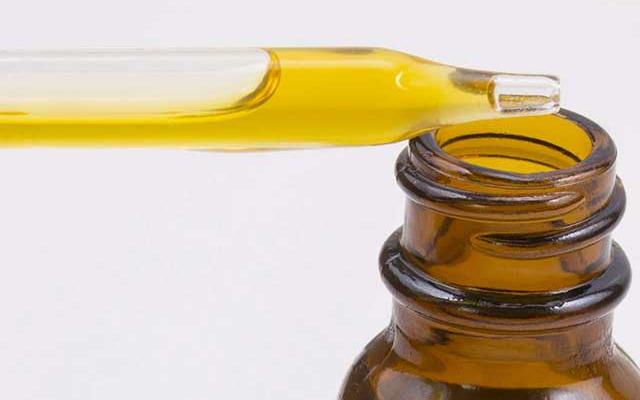
Last Wednesday, the cannabis world got into an uproar when the DEA added any cannabis extract containing at least one cannabinoid to the list of prohibited substances. The immediate target was CBD oils, which are non-intoxicating but often contain other cannabinoids, psychoactive THC and other non-intoxicants. Should Americans fear this DEA decision?
The cannabidiol (abbreviated as CBD) is a natural, non-psychoactive cannabinoid known to have positive effects in certain treatments for epilepsy and arthritis. The DEA has clearly wished to clear up the grey area of US law, which did not codify cannabis extracts as such, by posting new rules on «marihuana» (in Mexican in the text) on its website. In this text, the federal agency classifies CBD extracts in the same way as psychoactive substances such as THC, heroin, cocaine and LSD. However, the DEA only has executive, not legislative, powers.
Five months ago, the DEA was attempting to reclassify kratom as a Category 1 illicit substance. Kratom is a psychoactive plant from Southeast Asia with opiate-like effects. The DEA then declared «the opioids mitragynine and 7-hydroxymitragynine, which are the main active constituents of kratom plant in category 1 of the Controlled Substance Act. This classification is necessary to avoid imminent danger to public safety». Public pressure caused the DEA to backtrack, but set in motion the same approach.
Is the DEA's potential ban on CBD legal?
What does the new DEA text say?
The new DEA text is quite clear: »The DEA includes a new paragraph (58) which creates a new category 1″ code number. Put simply: we're adding a new identification code inside controlled substances.
It goes on to specify that the new code will designate a «(58) Marihuana Extract-7350», i.e. «an extract containing one or more cannabinoids which has been derived from any plant of the genus Cannabis, other than the separated resin (whether crude or purified) obtained from the plant».
So it's understandable that a CBD concentrate is just as illegal for the DEA as a CBD concentrate. But...
Clarifying a legal grey area
Manufacturers of CBD-based products relied either on the molecule's non-intoxicating properties or on its potential provenance from the industrial hemp to thrive. In both cases, CBD is now considered a cannabis extract by the DEA.
However, clarification followed by a ban won't help. The Obama administration's law 2014 US Farm Bill allows the industrial cultivation of hemp. All cannabis Sativa L varieties containing less than 0.3 % THC in their dried flowers are considered industrial hemp. This law now surpasses the DEA's authority. CBD oils made from hemp therefore have nothing to worry about. As for CBD oils made from Cannabis, they are protected in the states that allow them.
Surprisingly, this decision runs counter to the movement to legalize cannabis in the United States. There is little doubt that patients, backed by powerful associations, will succeed in overturning this directive in the near future.





JIHE 2026: Japan’s Largest Trade Show Dedicated to Hemp and CBD Returns to Tokyo with More Than 100 Industry Players
New Caledonia: The Courts Clear the Way for the Return of CBD

The Brazilian medical cannabis market continues to grow

Morocco: Three Cannabis-Based Medications Approved for the Treatment of Epilepsy

Canopy Growth Receives New EU-GMP Certification to Strengthen Its Presence in Europe

Three years after legalizing medical cannabis, Albania continues to establish regulations for it

The first plant-based medical THC spray arrives in the United Kingdom

Medical Cannabis in Germany: THC Prices Vary by a Factor of 12

France already has 3,000 cannabis retail outlets. None of them are legal.

Morocco's exports of legal cannabis have expanded to 15 countries
-
 Business2 weeks ago
The legal cannabis market in New York exceeds 4 billion $ in revenue
-

 Cannabis in France4 weeks ago
Which countries legalized medical cannabis before France?
-
Business4 weeks ago
South Korea is preparing to begin local production of medical cannabis to meet rising demand
-
Cannabis in France4 days ago
France already has 3,000 cannabis retail outlets. None of them are legal.
-
Cannabis in Thailand4 weeks ago
From the boom in dispensaries to a purely medical approach: Thailand is revising its cannabis policy
-
Cannabis in the U.S.5 days ago
A DEA report confirms that there are no fatal cannabis overdoses
-
Cannabis and driving3 weeks ago
Medical Cannabis and Driving: New South Wales Ends Automatic Penalties for THC
-
Cannabis in France3 weeks ago
France’s Drug Policy Chief Defends Cannabis Prohibition... and Runs Into the Facts















You must be logged in to post a comment Login