Will the Czech Republic legalize only self-production of cannabis after all?

Is the Czech government backtracking on its ambitions? Or is it trying to be discreet about its decisions? as before ?
According to a number of local sources, the Czech Republic will only allow the growing cannabis for personal use, back to last returns on the roll-out of full legalization with Cannabis Clubs and retail sales.
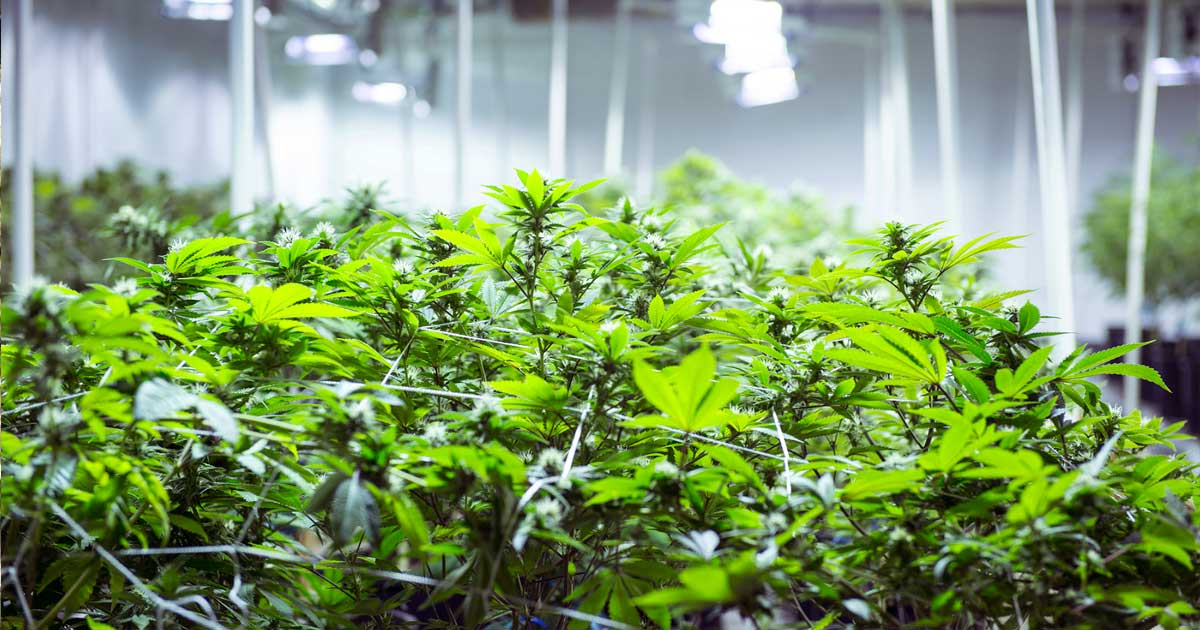
The proposed legislation, currently under discussion, would allow private individuals to grow up to three cannabis plants at home, for a maximum of 600 grams of cannabis dry matter per household. This proposal would be a compromise between the various coalition parties.
According to Jana Michailidu, a member of the Government Council for the Coordination of Addiction Policy and the Pirates Republican Committee, «all the parties in the coalition want to allow self-cultivation for adult citizens».
In an interview with iDNES.cz, Mr. Michailidu underlined the specifics of the proposal: «We assumed 200 grams per plant, which means that a person could have 600 grams of cannabis dry matter in a dwelling.
Diverging views on broader legalization
Despite consensus on self-cultivation, the coalition remains divided on broader legalization measures, such as the creation of cannabis clubs. These clubs, which would allow members to collectively grow and share cannabis, have not been accepted by all parties.
Michailidu expressed his disappointment, noting that «KDU-CSL representatives are very strict in their demands: they can only imagine self-cultivation».
The Association des Cannabis Clubs has pleaded for the inclusion of cannabis clubs in legislation, She points out that self-cultivation is not possible for everyone. She asserts that «for many people, self-cultivation remains out of reach for various reasons, which is why it is essential to authorize cannabis clubs too».
The current debate on cannabis policy is part of the as part of a broader commitment by the government regulate addictive substances according to their degree of harmfulness. The government's programme statement emphasizes a balanced approach to risk prevention and harm reduction, supported by adequate funding for prevention programmes and services. This framework aims to combat addiction using scientifically proven methods, while ensuring that regulations are proportionate to the risks associated with substances.
At the end of April, the government approved a plan to combat dependency by the end of 2025, which includes the introduction of a strictly regulated cannabis market. The National Economic Council also recommended the creation of a regulated market to promote economic growth and reduce the budgetary burden of repressive drug policies. The Council's analysis suggests that strict drug laws are not effective in reducing consumption or harm, prompting a reassessment of current strategies.
Jindřich Vobořil, the’former national drug coordinator, called for a more nuanced approach to cannabis-related criminal sanctions. He argues that current laws do not sufficiently differentiate between small growers and large, organized operations. Vobořil argues for a wider range of sanctions to enable more appropriate sentencing.


















JIHE 2026: Japan’s Largest Trade Show Dedicated to Hemp and CBD Returns to Tokyo with More Than 100 Industry Players
New Caledonia: The Courts Clear the Way for the Return of CBD

The Brazilian medical cannabis market continues to grow

Morocco: Three Cannabis-Based Medications Approved for the Treatment of Epilepsy

Canopy Growth Receives New EU-GMP Certification to Strengthen Its Presence in Europe

Three years after legalizing medical cannabis, Albania continues to establish regulations for it

The first plant-based medical THC spray arrives in the United Kingdom

Medical Cannabis in Germany: THC Prices Vary by a Factor of 12

France already has 3,000 cannabis retail outlets. None of them are legal.

Morocco's exports of legal cannabis have expanded to 15 countries
-
 Business2 weeks ago
The legal cannabis market in New York exceeds 4 billion $ in revenue
-

 Cannabis in France4 weeks ago
Which countries legalized medical cannabis before France?
-
Business4 weeks ago
South Korea is preparing to begin local production of medical cannabis to meet rising demand
-
Cannabis in France4 days ago
France already has 3,000 cannabis retail outlets. None of them are legal.
-
Cannabis in Thailand4 weeks ago
From the boom in dispensaries to a purely medical approach: Thailand is revising its cannabis policy
-
Cannabis in the U.S.5 days ago
A DEA report confirms that there are no fatal cannabis overdoses
-
Cannabis and driving3 weeks ago
Medical Cannabis and Driving: New South Wales Ends Automatic Penalties for THC
-
Cannabis in France3 weeks ago
France’s Drug Policy Chief Defends Cannabis Prohibition... and Runs Into the Facts















You must be logged in to post a comment Login