Colombia and the challenges of cannabis legalization

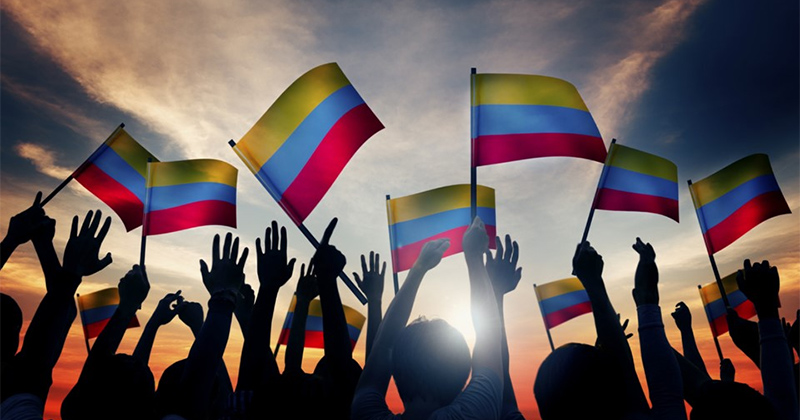
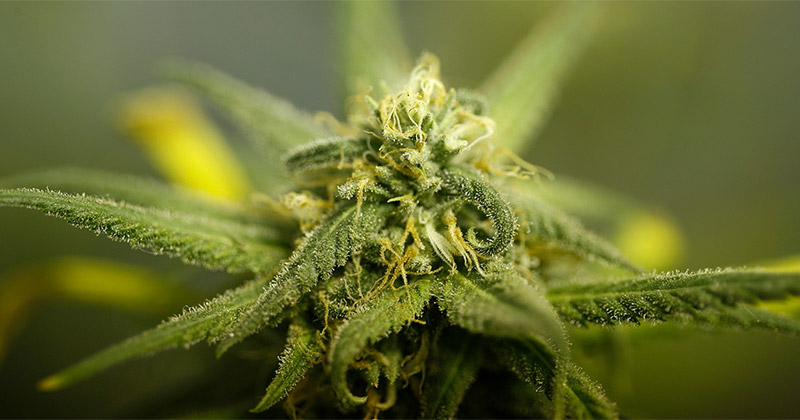
Since May, Colombia has legalized medical cannabis. Adopted by 84 votes to 4, the regulation of medical cannabis came into force in July. In this country, where the plant grows almost naturally, the introduction of standards and rules has come up against the artisanal and ancestral knowledge of small-scale producers.
Cannabis production tolerated for 30 years
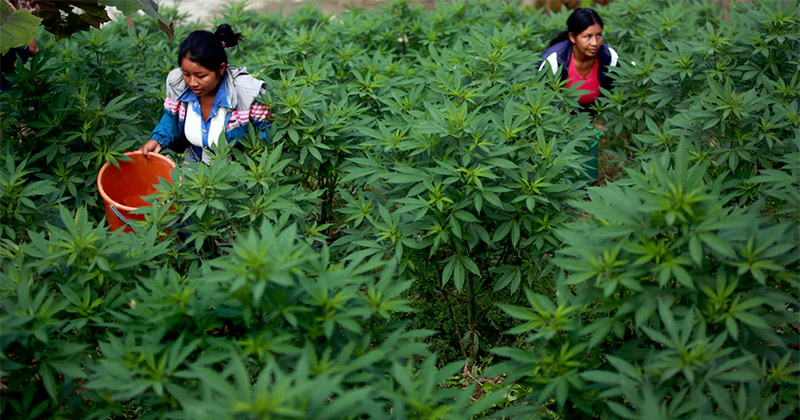
Colombia focused on the war on cocaine in the '80s and abandoned cannabis. Growing en masse on Colombia's mountainsides, cannabis use was difficult to curb. Cannabis-based decoctions, creams and oils have been produced by small-scale growers for decades.
A battle has now begun between the small producers who want to enter the legal market and the large companies who already possess the necessary industrial arsenal. The main problem for local producers lies in the production of their remedy. They often mix cannabis with coca leaf, rosemary and other medicinal plants.
Colombia's regulation of medical cannabis means that production will be standardized. Artisans will have to comply with the stringent specifications laid down by the government. Interviewed by RFI, Colombia's Minister of Health, Alejandro Gaviria, declared: «We have passed a resolution to help small producers obtain a license more easily. At the same time, they need to understand that this step implies standardization. To achieve this, they need to change their production methods. I believe we will continue to support small producers.»
A controversial first license
Licenses are issued after examination of a 300-page dossier by the Ministries of Health, Justice and Agriculture.
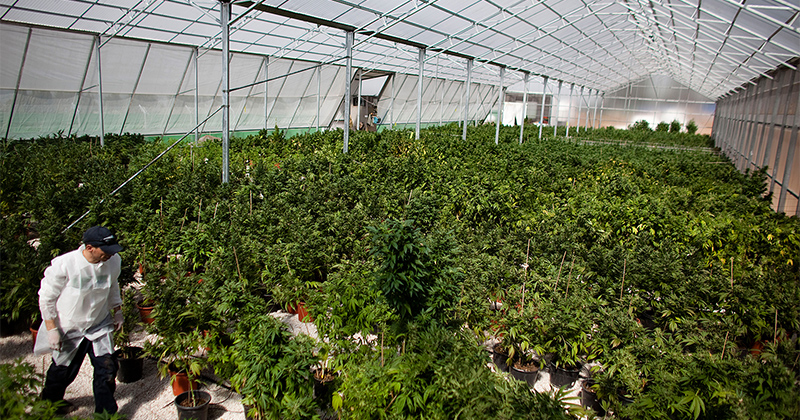
The first license authorizing the production and marketing of medical cannabis was awarded to Pharmaciello, a Colombian company specializing in flower production, but headquartered in Canada. The second was entrusted to the Colombian pharmaceutical laboratory Ecomedics and a third to another laboratory. Pharmaciello has a significant advantage in that it already has the technologies required for plant production.
Following these choices, Deputy Armando Benetteti calls for Colombians to be given priority in the cannabis market. «Once again we're prisoners of the gringos (Americans) and their business, we're counting the dead while they're making money». »They've already given licenses to three multinationals. We produce a foot for 5 cents when it costs them $1.75». Colombia could then take advantage of its low production costs to export its medical cannabis and thus bring legal 100% currency into the country's coffers.
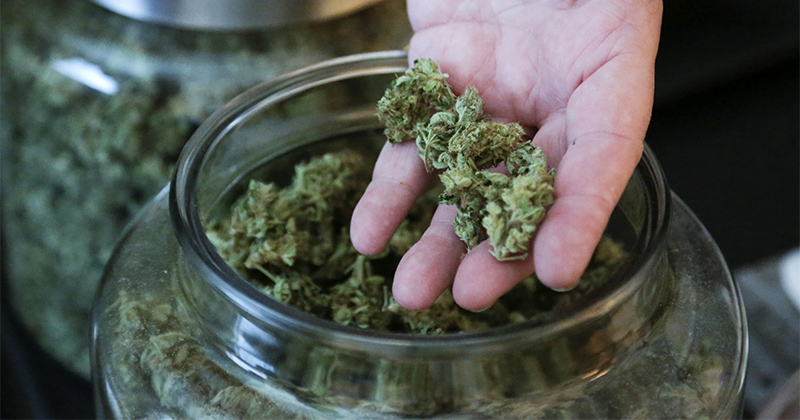
Colombian therapeutic cannabis will be available on prescription. Patients suffering from muscle pain, arthritis, nausea, loss of appetite, anorexia, epilepsy, HIV, cancer and nervous system disorders will be able to treat themselves with this cannabis.
Théo Caillart








JIHE 2026: Japan’s Largest Trade Show Dedicated to Hemp and CBD Returns to Tokyo with More Than 100 Industry Players
New Caledonia: The Courts Clear the Way for the Return of CBD

The Brazilian medical cannabis market continues to grow

Morocco: Three Cannabis-Based Medications Approved for the Treatment of Epilepsy

Canopy Growth Receives New EU-GMP Certification to Strengthen Its Presence in Europe

Three years after legalizing medical cannabis, Albania continues to establish regulations for it

The first plant-based medical THC spray arrives in the United Kingdom

Medical Cannabis in Germany: THC Prices Vary by a Factor of 12

France already has 3,000 cannabis retail outlets. None of them are legal.

Morocco's exports of legal cannabis have expanded to 15 countries
-
 Business2 weeks ago
The legal cannabis market in New York exceeds 4 billion $ in revenue
-

 Cannabis in France4 weeks ago
Which countries legalized medical cannabis before France?
-
Business4 weeks ago
South Korea is preparing to begin local production of medical cannabis to meet rising demand
-
Cannabis in France4 days ago
France already has 3,000 cannabis retail outlets. None of them are legal.
-
Cannabis in Thailand4 weeks ago
From the boom in dispensaries to a purely medical approach: Thailand is revising its cannabis policy
-
Cannabis in the U.S.5 days ago
A DEA report confirms that there are no fatal cannabis overdoses
-
Cannabis and driving3 weeks ago
Medical Cannabis and Driving: New South Wales Ends Automatic Penalties for THC
-
Cannabis in France3 weeks ago
France’s Drug Policy Chief Defends Cannabis Prohibition... and Runs Into the Facts
















You must be logged in to post a comment Login