
Could CBN protect the aging brain? Scientists uncover a promising new mechanism

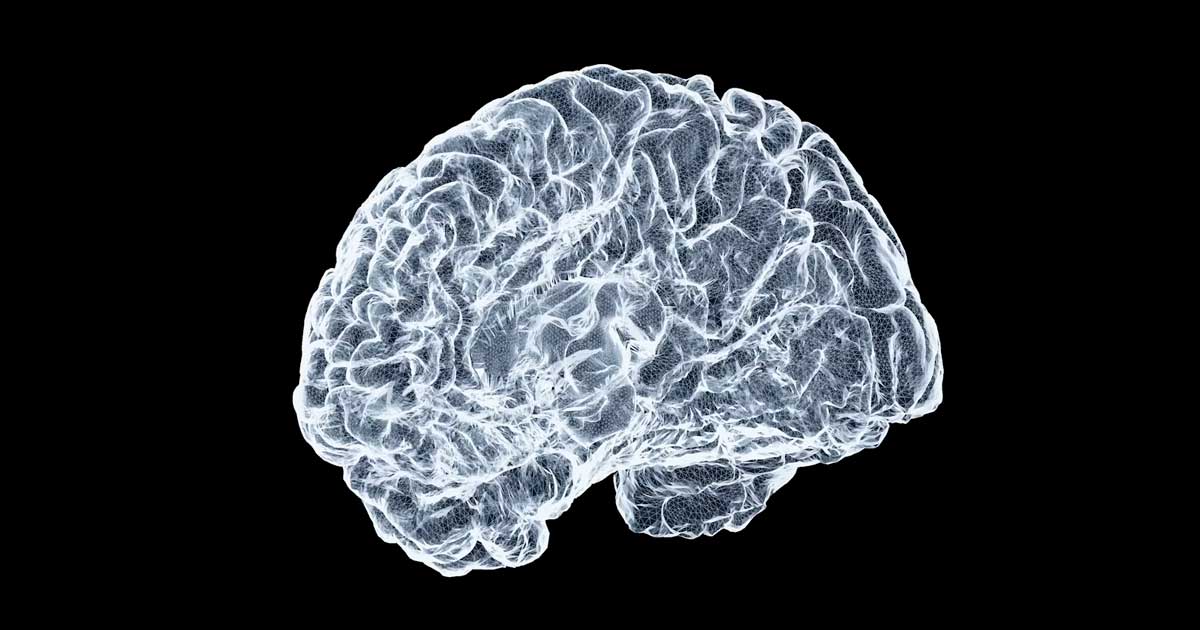
While research on Cannabinoids and Brain Health Beyond THC and CBD, a much lesser-known molecule is attracting the attention of scientists. The cannabinol (CBN), a cannabinoid that forms, in particular, as THC ages and breaks down, is being studied for its ability to protect nerve cells from the processes associated with aging and neurological disorders.
A study from 2024 conducted by researchers at the Salk Institute for Biological Studies, published in Redox Biology, goes beyond a simple description of CBN's activity. The team analyzed its chemical structure, developed four new CBN-derived compounds, and tested their ability to protect neuronal cells. The results indicate that the mitochondrial function and the oxidative stress are particularly promising targets for future drug development.
These results are promising at the preclinical stage. However, they do not demonstrate that CBN can prevent or treat Alzheimer's disease, the Parkinson's disease or other neurodegenerative diseases in humans.
Why are mitochondria important for the aging brain?
At the heart of this research are the mitochondria, microscopic structures responsible for producing much of the energy that cells need to function. Their efficiency can deteriorate with age, while mitochondrial dysfunction has been linked to several neurological disorders.
The researchers focused specifically on the’oxytosis/ferroptosis, a regulated pathway of cell death involving oxidative stress, mitochondrial dysfunction, and lipid damage. This process is attracting growing scientific interest due to its potential involvement in conditions such as Alzheimer’s disease, Parkinson’s disease, and traumatic brain injury.
Previous work conducted by these same researchers had identified the CBN as a potent inhibitor of oxytosis/ferroptosis in neuronal models. According to the study, its protective effect involves the mitochondria and appears to occur independently of CB1 cannabinoid receptors and CB2 classics.
Researchers have reexamined the structure of CBN to understand its neuroprotective effects
The team at the Salk Institute used a strategy of fragment-based drug discovery, which essentially involved breaking down the molecular structure of CBN into its various components to determine which ones were important for its activity.
Their experiments identified a central moiety containing antioxidant functional groups as an essential component. Combining this structure with other chemical components significantly increased its protective effect in cellular assays.
Based on this information, the researchers produced four new CBN analogs, named CP1, CP2, CP3, and CP4. Computer modeling suggested that these compounds generally had a lower molecular weight, reduced lipophilicity, and better water solubility than CBN. It was also predicted that these four compounds would cross the blood-brain barrier, a key criterion in the development of drugs designed to act on the central nervous system.
When exposed to several triggers of oxytosis/ferroptosis, the neuronal cells treated with these analogs exhibited strong protective responses. Against RSL3-induced toxicity, their effective concentrations were comparable to those of CBN, the CP1 consistently emerging as the strongest among the four candidates.
CBN analogs appear to limit oxidative damage
CBN and its analogs have reduced the increase in mitochondrial reactive oxygen species (ROS) and lipid peroxidation, two manifestations of oxidative damage associated with the cell death pathway studied by the researchers. CP1 performed particularly well and, in some experiments on lipid peroxidation, outperformed its parent molecule, CBN.
The researchers also observed changes in cellular energy metabolism. CBN and the four analogs shifted neuronal cells toward a proportionally greater reliance on mitochondrial oxidative phosphorylation for ATP production. When cells were exposed to RSL3, which severely impaired mitochondrial respiration, treatment with CBN or CP1 helped maintain respiration at levels closer to those observed with the compounds alone.
Overall, these observations support the hypothesis that the mitochondrial modulation could contribute to the neuroprotective effects of these compounds.
CP1 has also shown encouraging results in fruit flies
The researchers then moved from cultured cells to a living organism model, using Drosophila melanogaster, or fruit flies, that had sustained a mild head injury.
After injury, CBN increased the average lifespan by approximately 2.5 days, or 9.4%, compared to untreated controls, while the CP1 resulted in an increase of approximately 3.2 days, or 11.91 TP3T. Both of these results were statistically significant in the context of the experiment.
CP1 stood out in particular because it performed better than CBN in the fruit fly model, although the two compounds produced relatively similar results in cellular assays. The researchers suggest that differences in absorption, distribution, or metabolism may help explain this finding.
Fruit flies, however, are only a preliminary experimental model. Their pharmacokinetics differ significantly from those of humans, and the researchers explicitly state that these compounds still need to be validated in mammals.
An intriguing lead, but no evidence to date that CBN prevents dementia
This study thus contributes to an emerging field, that of cannabinoid neuroprotection, rather than developing a new treatment for brain aging.
Its significance lies in part in demonstrating how a natural cannabinoid can serve as a molecular model for entirely new compounds. Rather than viewing CBN itself as an end in itself, researchers are using its structure to identify chemical characteristics that could ultimately contribute to the development of drugs that target oxidative stress, ferroptosis, and mitochondrial dysfunction.
For now, this possibility remains strictly at the preclinical stage. The authors themselves call for additional pharmacokinetic and efficacy studies, particularly on CP1, in mammalian models.




















Things are heating up between Sherbinski and Doja

Cookies Ordered to Pay $61.5 Million in a Dispute with Its Investors

Frenchfarm is launching its B1G1 clearance sale + free gift

Czech Republic: CBD shops selling synthetic cannabinoids are in the police's crosshairs

Cannabis and CBD: French Drivers Can Now Lose Their License Even Without a Positive Test Result

Could CBN protect the aging brain? Scientists uncover a promising new mechanism

In Haute-Savoie, a town is trying to combat drug trafficking… with posters

3 French Companies Betting on Cannabis… Abroad

Nature Lab: The Alsatian brand that’s reinventing the CBD store, from Saint-Louis to Mulhouse and throughout France

Costa Rica Opens Its First Medical Cannabis Laboratory
-
 Cannabis and driving4 days ago
Cannabis and CBD: French Drivers Can Now Lose Their License Even Without a Positive Test Result
-
Cannabis in France7 days ago
Cannabis Legalization: The LFI Bill Has a Major Problem—THC
-
Cannabis in Europe1 week ago
Andorra Paves the Way for Medical Cannabis Cultivation
-
Cannabis in France2 weeks ago
Drought: Could Hemp Become the New Hope for French Farmers?
-
Cannabis in the U.S.2 weeks ago
United States: Congress Rejects Ban on THC Derived from Hemp
-
Cannabinoids1 week ago
What if CBD enhanced the effects of THC? A comprehensive analysis challenges a common misconception
-
Cannabis in Quebec2 weeks ago
Cannabis in Quebec: The 21-Year-Old Age Requirement in the Spotlight
-
Cannabis in the U.S.1 week ago
Medical cannabis: A U.S. study finds a 6.9% reduction in absences from work










You must be logged in to post a comment Login