
Cannabinol protects against neurodegenerative diseases

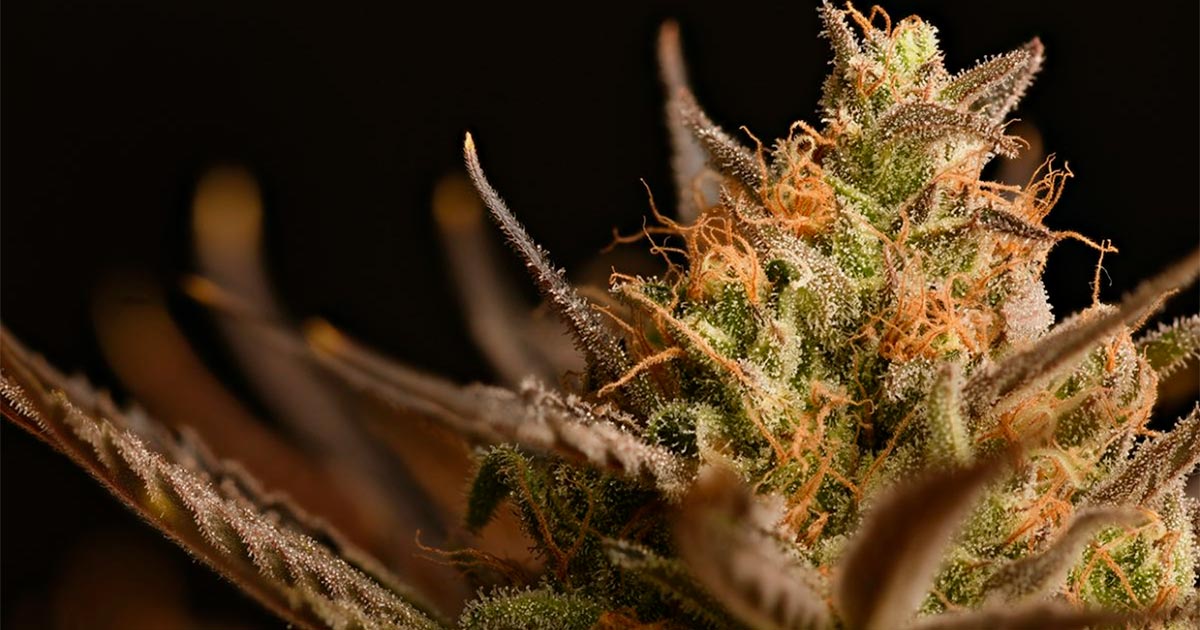
Cannabinol (CBN), a byproduct of THC degradation, may help prevent and treat age-related neurodegenerative diseases, such as Alzheimer's disease.
A team of researchers from the Salk Institute found that cannabinol protects nerve cells from oxidative damage, a major factor in cell death.
Pamela Maher, the study’s lead author, a research professor and director of the Salk Institute’s Cell Neurobiology Laboratory, said, «We have discovered that cannabinol can be used in the treatment of neurodegenerative diseases : Cannabinol protects neurons from oxidative stress and cell death, two of the main factors contributing to Alzheimer's disease. This discovery could one day lead to the development of new therapies to treat this disease and other neurodegenerative disorders, such as Parkinson's disease.»
What is cannabinol?
The cannabinol is derived from the Cannabis plant, and although it is molecularly similar to THC, it does not share the same psychoactive properties. Previous research conducted by Maher’s team identified that cannabinol has neuroprotective qualities. This new research sheds light on the mechanism by which cannabinol protects brain cells from damage and death.
Discovery of Neuroprotective Properties
The team studied the process of oxytosis—also known as ferroptosis—which is thought to occur in the aging brain and may be the cause of Alzheimer's disease. Oxytosis can be triggered by the gradual loss of the antioxidant glutathione, leading to damage to neuronal cells and their death due to lipid oxidation. The researchers administered cannabinol to the nerve cells in their study and then introduced an agent to induce oxidative damage.
The results showed that CBN works by protecting the mitochondria that supply energy to the cells inside neurons; oxidation causes mitochondria to curl up like doughnuts in damaged cells, a change observed in the aging cells of people with Alzheimer’s disease. Treatment with CBN prevented the mitochondria from undergoing this process and allowed them to continue functioning properly. To corroborate their findings, the team repeated the experiment on nerve cells without mitochondria; in this case, CBN no longer had a protective effect.
«We were able to demonstrate directly that the maintenance of mitochondrial function was specifically required for the compound's protective effects,» Maher said.
In addition, the team found that cannabinol did not activate cannabis receptors, which is responsible for the psychoactive response of cannabinoids, meaning it can be administered without any psychotropic effects.
Zhibin Liang, the study’s first author and a postdoctoral researcher in Maher’s lab, commented: «CBN is not a controlled substance like THC, the psychoactive compound in cannabis, and it has been shown to be safe for both animals and humans. And since CBN acts independently of cannabinoid receptors, it could also exert effects in a wide variety of cells, offering significant therapeutic potential.»
«Mitochondrial dysfunction is involved in changes in various tissues, not just in the brain and in aging, so the fact that this compound is able to maintain mitochondrial function suggests that it could have additional benefits beyond the context of Alzheimer’s disease,» Maher said.
The study has been published in the newspaper Free Radical Biology and Medicine.




















Which countries legalized medical cannabis before France?

From the boom in dispensaries to a purely medical approach: Thailand is revising its cannabis policy

South Korea is preparing to begin local production of medical cannabis to meet rising demand

In the United States, cannabis use among high school students has reached an all-time low

Medical cannabis use surges by 64 % in Denmark

Canopy Growth Enters the U.K. Market with Four Canadian Strains

CBD: Full-Spectrum Extracts Under Threat in Greece

Medical Cannabis and Back Pain: Opioid Use Has Dropped by 90 % in 10 Years

Cannabis: Wisconsin Could Finally Legalize It in 2027

Argentina Opens Its Market to Hemp Flowers Containing 1% of THC
-
 Cannabis and driving2 weeks ago
Cannabis and CBD: French Drivers Can Now Lose Their License Even Without a Positive Test Result
-
Cannabis in France3 weeks ago
Cannabis Legalization: The LFI Bill Has a Major Problem—THC
-

 Cannabis in France15 hours ago
Which countries legalized medical cannabis before France?
-
Cannabis in the Netherlands2 weeks ago
One year after the launch of the Dutch cannabis experiment, the first trends are emerging
-
Cannabis in France2 weeks ago
French medical cannabis remains stalled at the Ministry of Health
-
Cannabis in Argentina1 week ago
Argentina Opens Its Market to Hemp Flowers Containing 1% of THC
-
Business2 weeks ago
The United Kingdom Is Moving Closer to a Regulated CBD Market
-
Cannabis in France1 week ago
Rima Hassan: When «Drugs» Become a Political Weapon














You must be logged in to post a comment Login