California: cannabis-based products could soon be banned

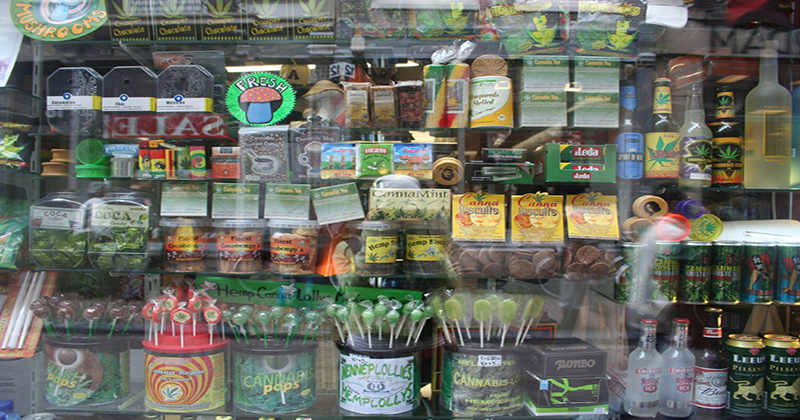
California is one of the American states with legalized cannabis for recreational use on November 8. Based on a citizens' initiative, The Adult Use of Marijuana Act ( Proposition 64) was approved by state voters at 57% of the vote.
In recent weeks, however, the Public Health Department and the Bureau of Medical Cannabis Regulation (BMCR) have imposed regulations regarding medical cannabis in the state of California.
After discovering the presence of pesticides in cannabic products sold in dispensaries, regulation is de rigueur. Residents have one month to submit comments or complaints before certain products are banned. The new regulations are aimed in particular at :
- manufacturing standards: cannabis products cannot be infused with nicotine, added caffeine or alcohol. Products must also be made with non-hazardous foods (nothing that requires temperature control, no meat or seafood, and no perishables).
- THC limits: these will be limited to 10mg THC per unit, and 100mg THC per package. For medical products (tinctures, oils, creams, etc.), the limit will be set at 1000mg THC per pack.
- packaging: in addition to being unattractive to children and difficult to open, packaging must not resemble traditional food packaging, must be resealable if it contains more than one dose, and must be easy to open. edibles must be served in opaque packaging.
Certain cannabis-based products could soon be banned in the state of California.
Terra Bites by Kiva: Cannabis espresso beans covered in dark chocolate
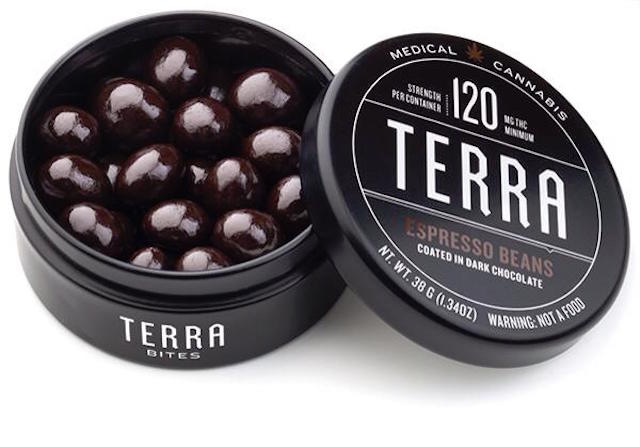
This product is made from Tanzanian coffee beans covered in dark chocolate. Each box contains approximately 120 mg of THC, Each berry contains 5 mg. The company also offers milk chocolate-covered blueberry beans. This product targets both heavy pot smokers and those just starting out with cannabis, thanks to its precisely dosed beads.
This product would be forbidden for consumption as the new regulations exclude blend of caffeine and cannabis. Coffee beans could therefore be banned from sale. However, Kristi Knoblich, co-founder of the Kiva company, is hoping to influence the text of the law: »The caffeine found in the beans is already present and has not been separately added to the product. [I hope that this detail will be taken into account, even though [I have] not yet received any clarification».
Moreover, if the law applies to all products containing both caffeine and cannabis, several tea infusions could also be banned from sale and consumption.
Ganjalato« brand ice creams»
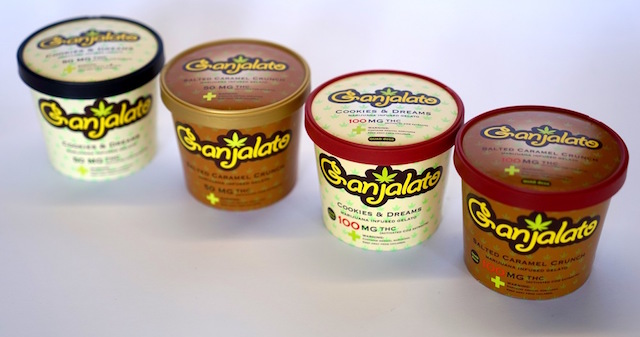
Ganjalato offers a range of vanilla and caramel-based ice creams containing 100mg THC. These products could become illegal under the new regulatory measures, which ban the mixing of THC and dairy products (products that require temperature control).
Plant-based drinks from Monk
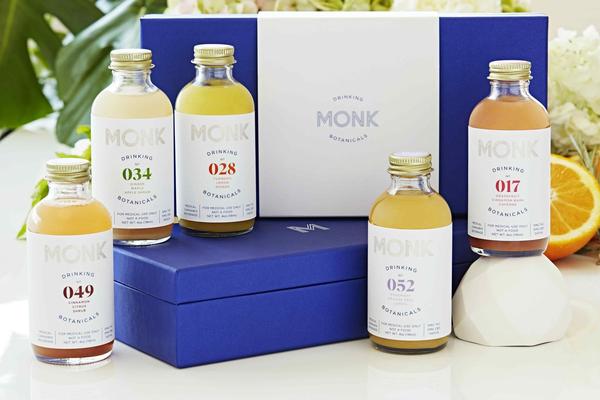
These drinks feature ingredients such as cinnamon, turmeric (the main ingredient in curry), and cayenne pepper. Each bottle contains 5mg THC. «The Monk company claims their products are «100% plant-based» however the new regulations are very strict when it comes to fresh fruit and vegetables. These products could soon be illegal,» explains the founder. Unless she changes her recipe in the meantime.
Mehdi Bautier











«Vincy Gold»: Humboldt Seed Company on the Hunt for Saint Vincent Sativas

Cronos Completes the Acquisition of CanAdelaar for 57.5 million euros

Cannabis with a "bloody" twist: Discover Sensi True Blood and Sensi Sangria, the two new strains from Sensi Seeds

Hemp: The Council of the EU Takes a Stand on New Production and Marketing Rules

Missouri's legal cannabis market accounts for 93 % of consumer spending

THC Gummies: How to Read a Certificate of Analysis Before Buying

British patients now have access to THCV-rich cannabis flowers

Spain: Medical Cannabis Is Coming to About 50 Hospitals

JIHE 2026: Japan’s Largest Trade Show Dedicated to Hemp and CBD Returns to Tokyo with More Than 100 Industry Players

New Caledonia: The Courts Clear the Way for the Return of CBD
-
 Business3 weeks ago
The legal cannabis market in New York exceeds 4 billion $ in revenue
-

 Cannabis in France4 weeks ago
Which countries legalized medical cannabis before France?
-
Cannabis in France1 week ago
France already has 3,000 cannabis retail outlets. None of them are legal.
-
Business4 weeks ago
South Korea is preparing to begin local production of medical cannabis to meet rising demand
-
Cannabis in the U.S.1 week ago
A DEA report confirms that there are no fatal cannabis overdoses
-
Cannabis in Thailand4 weeks ago
From the boom in dispensaries to a purely medical approach: Thailand is revising its cannabis policy
-
Cannabis and driving4 weeks ago
Medical Cannabis and Driving: New South Wales Ends Automatic Penalties for THC
-
Cannabis in France3 weeks ago
France’s Drug Policy Chief Defends Cannabis Prohibition... and Runs Into the Facts
















You must be logged in to post a comment Login