Will California switch to a THC-based cannabis tax?

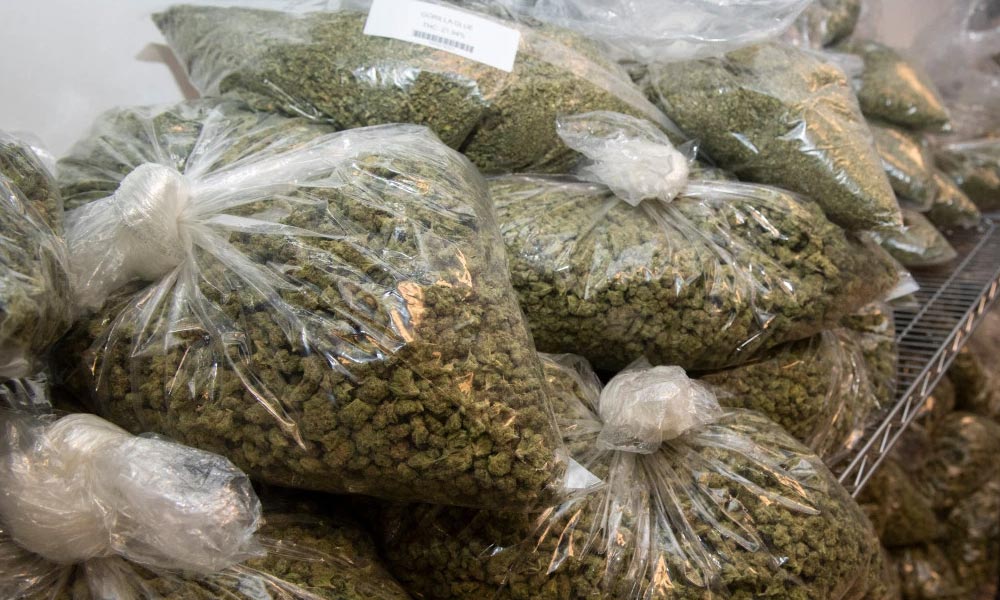
California's Legislative Budget Office suggests that the state move to a «potency-based or tiered ad valorem tax» for cannabis to stabilize revenues and discourage abuse. The report recommends that the state get rid of the weight-based grower tax, but said that if the state maintains the current tax regime, it would have to increase the 5% excise tax or risk not to respect the $350 million of annual cannabis tax revenues needed to fund all the programs outlined in the legalization bill.
The agency points out that Canada's regulatory system includes a tax of 0.01 $ CAN per milligram of THC as well as sales taxes, and that a tiered ad valorem tax would allow different types of potency and product to be distinguished. In Illinois, for example,products with a THC concentration of less than 35% are taxed at 10% and 25% above (for concentrates in particular), and a 20% tax is applied to cannabis-infused products such as space cake or CBD and/or THC drinks.
Ellen Komp, deputy director of NORML's California chapter, has or «flabbergasted» that the Bureau would suggest raising the tax rate. The organization «expected them to recommend, or at least discuss, the benefits of lowering the state tax.» California is indeed struggling to supplant the black market, particularly due to the high taxes that apply on products.
The report describes four tax structures, including the current model, and finds that, while a tax on power is preferable for reducing abuse and increasing revenue, the current model is administratively more efficient. A weight-based tax does generate stable revenues, but is ineffective in reducing consumer abuse. As for the multi-level tax, it would simultaneously reduce harmful consumption, increase stable revenues and finance administration and compliance.
The current tax rate on retail sales of cannabis is 15% in California, similar to other states where adult-use cannabis is legalized. The Californian state nevertheless imposes up to 10% in additional taxes on non-medical cannabis, and cities are allowed to impose their own taxes from 5 to 20%. Cannabis growers in the state also pay a rate of 9.25 $ per ounce (28g) for dried flowers or 2.75 $ per ounce for leaves. On January 1, this levy on growers will increase, from 9.25 $ to 9.65 $, while leaf taxes per dry weight ounce will rise from 2.75 $ to 2.87 $, and plant tariffs from 1.29 $ to 1.35 $.






















JIHE 2026: Japan’s Largest Trade Show Dedicated to Hemp and CBD Returns to Tokyo with More Than 100 Industry Players
New Caledonia: The Courts Clear the Way for the Return of CBD

The Brazilian medical cannabis market continues to grow

Morocco: Three Cannabis-Based Medications Approved for the Treatment of Epilepsy

Canopy Growth Receives New EU-GMP Certification to Strengthen Its Presence in Europe

Three years after legalizing medical cannabis, Albania continues to establish regulations for it

The first plant-based medical THC spray arrives in the United Kingdom

Medical Cannabis in Germany: THC Prices Vary by a Factor of 12

France already has 3,000 cannabis retail outlets. None of them are legal.

Morocco's exports of legal cannabis have expanded to 15 countries
-
 Business2 weeks ago
The legal cannabis market in New York exceeds 4 billion $ in revenue
-

 Cannabis in France4 weeks ago
Which countries legalized medical cannabis before France?
-
Business4 weeks ago
South Korea is preparing to begin local production of medical cannabis to meet rising demand
-
Cannabis in France4 days ago
France already has 3,000 cannabis retail outlets. None of them are legal.
-
Cannabis in Thailand4 weeks ago
From the boom in dispensaries to a purely medical approach: Thailand is revising its cannabis policy
-
Cannabis in the U.S.5 days ago
A DEA report confirms that there are no fatal cannabis overdoses
-
Cannabis and driving3 weeks ago
Medical Cannabis and Driving: New South Wales Ends Automatic Penalties for THC
-
Cannabis in France3 weeks ago
France’s Drug Policy Chief Defends Cannabis Prohibition... and Runs Into the Facts

















You must be logged in to post a comment Login