Germany: domestic cultivation of medical cannabis postponed yet again

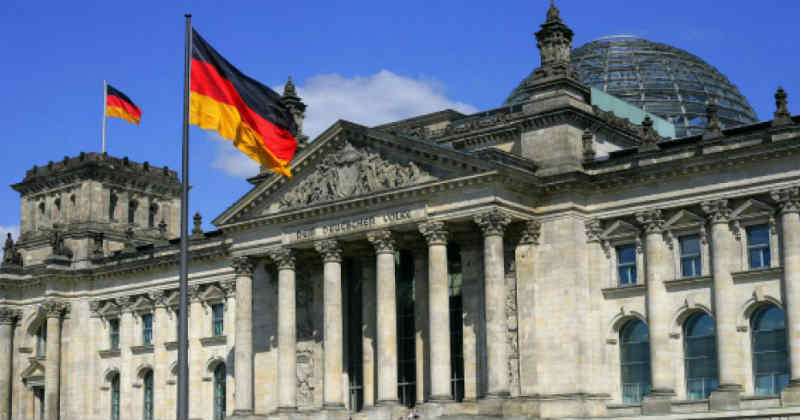
Medical cannabis legalized in Germany in 2017 but the country still doesn't produce any despite sharply rising demand. The reason for this is that the allocation of licenses is constantly being delayed. Originally scheduled for 2017, it was postponed after’a company brought an action before the Higher Regional Court of Düsseldorf by denouncing a process that was too short and unfair to local companies, which were facing competition from foreign companies, particularly Canadian ones.
Rebelote
Recently, another complaint was lodged against Bfarm, the institute in charge of granting licenses, once again delaying the granting of licenses which were then scheduled for early 2019. As the judgement will take place in April, Bfarm cannot issue licenses before this date. If the lawsuit fails, then the licenses can begin to be granted. But if the court finds in favor of the plaintiff, then the agency will have to review the whole allocation process from the beginning, which would push back the granting of licenses to 2020 or even later.
This was the case with the first complaint. Among the criticisms were the low production quantity, then 6,600kg over 4 years, and the fact that prior experience in cannabis cultivation was required, a fact that largely favored foreign companies. Following the lawsuit, the Bfarm reviewed these elements and increased production to 10,400kg over 4 years, with an excess margin of 30%. Surpluses must be destroyed, however, as Germany has no intention of exporting. The Bfarm has also revised the experience criteria, which now apply to all medicinal plants, not just medical cannabis.
The future of the German market
Delays in Germany's domestic production programme are benefiting foreign companies, and in particular to Canadian companies. These export large quantities of medical cannabis to Germany. Germany imported around 1.8 tons of cannabis in the first half of 2018. 60% of these imports came from Canada and 40% from the Netherlands. Canadian multinationals including Tilray, Cronos, Aurora and Canopy are already in the process of expand across Europe through acquisitions or by building cultivation sites in European countries. Their production could eventually supply the German market.
In all, 10 licenses will be granted for the production of medical cannabis on German soil, with an annual production of 2,600kg for the first year. Applications are open to foreign companies, provided that production complies with European standards. This is already the case for companies exporting their cannabis to Germany. According to Prohibition Partners, The German market could reach 10.2 billion euros annually in the coming years.
Germany is a promising market, particularly in view of its large population, which is getting older and older, and whose care needs are increasing. covered by the national social security system. In the meantime, patients are adversely affected by delays in the program, and have difficulty gaining access to the drug.








Medical Cannabis in Germany: THC Prices Vary by a Factor of 12

France already has 3,000 cannabis retail outlets. None of them are legal.

Morocco's exports of legal cannabis have expanded to 15 countries

Aurora Cannabis Doubles Its Production Capacity in Germany

Tilray is accelerating its operations in Europe thanks to a license in Portugal

Boston will host the 10th annual State of the Cannabis Industry Conference on October 26

A DEA report confirms that there are no fatal cannabis overdoses

A British patient is challenging the NHS's refusal to reimburse medical cannabis

October 2026 CBD Highlights: 10 Strains and Hash to Discover from 5 French Producers

CBD in France: Traceability, Retail Stores, THC and Driving… What the New Bill Proposes
-
 Business2 weeks ago
The legal cannabis market in New York exceeds 4 billion $ in revenue
-

 Cannabis in France3 weeks ago
Which countries legalized medical cannabis before France?
-
Business3 weeks ago
South Korea is preparing to begin local production of medical cannabis to meet rising demand
-
Cannabis in Thailand3 weeks ago
From the boom in dispensaries to a purely medical approach: Thailand is revising its cannabis policy
-
Cannabis and driving3 weeks ago
Medical Cannabis and Driving: New South Wales Ends Automatic Penalties for THC
-
Cannabis in Argentina4 weeks ago
Argentina Opens Its Market to Hemp Flowers Containing 1% of THC
-
Autism3 weeks ago
Autism and Cannabis: Results from the First Placebo-Controlled Trial of NTI164
-
Cannabis in France2 weeks ago
France’s Drug Policy Chief Defends Cannabis Prohibition... and Runs Into the Facts

















You must be logged in to post a comment Login