Three years after legalizing medical cannabis, Albania continues to establish regulations for it

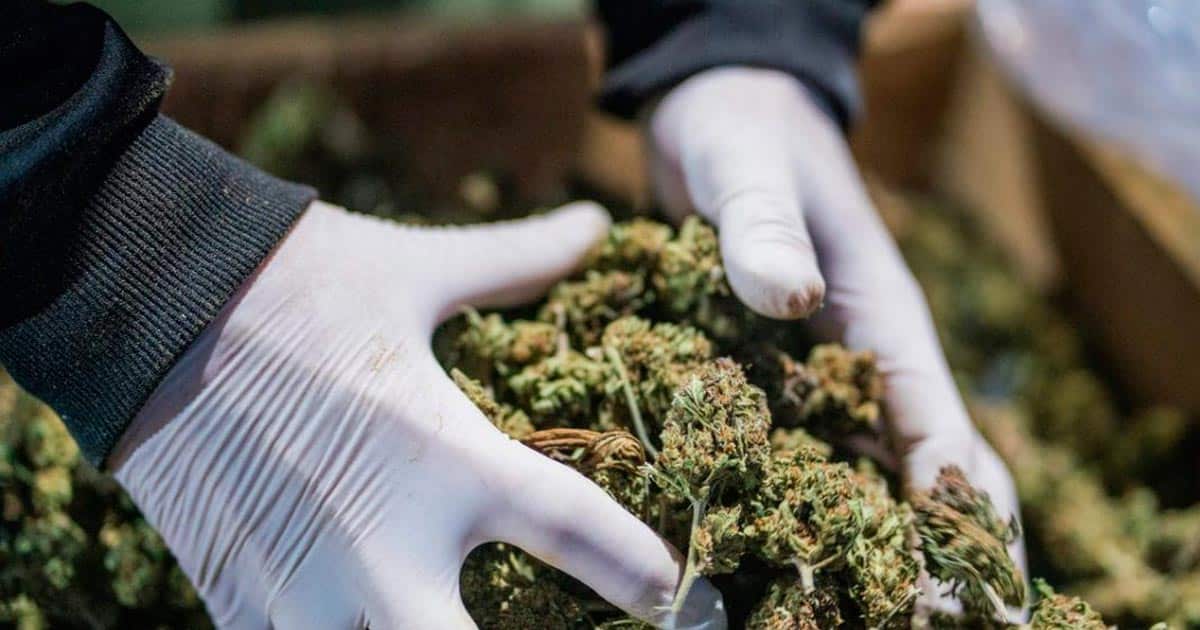
Three years after legalizing medical cannabis, theAlbania continues to lay the groundwork for its future industry. Although Parliament authorized its cultivation and processing as of July 2023, the implementation of the program is progressing gradually, amid announcements of licenses, questions about authorized acreage, and the successive adoption of new requirements for operators.
The most recent step: In October 2026, the Albanian government adopted a new set of measures designed to regulate the entire production chain of the medical and industrial cannabis. On the agenda: Traceability of Plants from Seed on exports, round-the-clock video surveillance, unannounced inspections, and strengthening the powers of the’National Cannabis Control Agency.
These provisions are intended to help establish a legal industry in a country historically associated with illicit cannabis production, while providing greater safeguards for investors and regulatory authorities.
Legalization That Is Taking Time to Materialize
In July 2023, the Albanian Parliament passed, by a vote of 69 to 23, a law authorizing the cultivation and processing of cannabis for medical and industrial purposes. The legislation provided, in particular, for the creation of an authority responsible for overseeing the activities of future operators.
But the transition from legalization to the actual establishment of a regulated industry is proving to be more complex. In June 2025, the government announced licenses for approximately 29,000 hectares, even though the legal cap on cultivation had been presented as limited to 200 hectares. This apparent contradiction had drawn sharp criticism from the opposition and raised questions about the procedures for granting licenses.
Three years after the law was passed, Albania has therefore not yet completed the implementation of the regulatory framework for its medical cannabis industry.
Mandatory traceability from seed to export
The new regulations establish a cannabis traceability system, from seed to export, covering all stages of production, from cultivation to processing, including drying, storage, and transportation. Operators must record the movement of plants and raw materials in a centralized national registry, which will also list licenses, inspections, and any administrative penalties. Crops must be precisely identified, and the authorities must be notified at least 15 days before each harvest, the quantities of which must be reported immediately.
The measure also strengthens the powers of the’National Cannabis Control Agency, which will have continuous access to surveillance cameras at approved facilities and will be able to use remote monitoring technologies, including drones, environmental sensors, and satellite systems. In addition to scheduled inspections, the agency will be able to conduct unannounced inspections in the event of suspected irregularities, failure to report, or breach of security obligations. The information collected may be used as evidence in administrative, civil, or criminal proceedings.
With these new requirements, Albania aims to ensure ongoing oversight of its legal supply chain and limit the risk of diversion to the illicit market, in order to avoid a repeat of what happened in North Macedonia, while imposing significant technical and administrative requirements on future operators.
A sector to be built against the backdrop of historic traffic
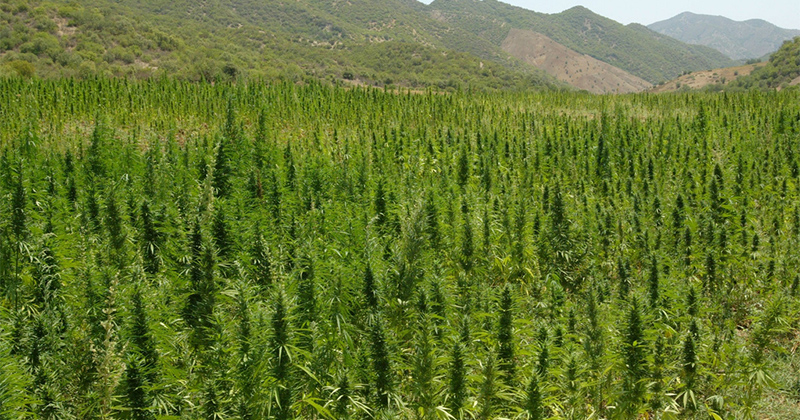
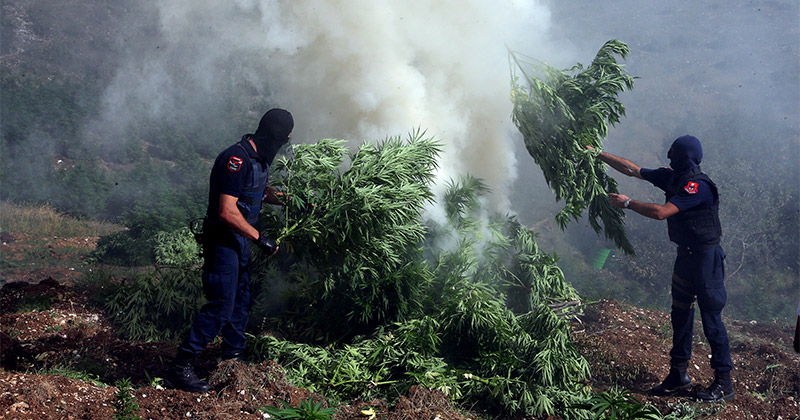
The tightening of regulations comes at a time when illicit cannabis production in the country has historically played an important role. According to the’European Monitoring Center for Drugs and Drug Addiction (EMCDDA), Albania is one of the leading producers of outdoor-grown cannabis in the Balkans. While seizures have fallen sharply, from 78 metric tons in 2017 to approximately 3.6 metric tons in 2021, illegal cultivation remains a challenge for the authorities.
The prospect of a legal industry has also raised concerns about the risk of organized crime infiltrating the sector. The Albanian opposition has, in particular, criticized the lack of transparency surrounding the granting of cultivation permits, fearing that the new industry will benefit networks already established in the country.
In this context, the new traceability and monitoring requirements should enable authorities to better distinguish between legal activities and illicit channels. It remains to be seen whether this system—which appears particularly demanding on paper—can be effectively implemented as the industry continues to grow.











Canopy Growth Receives New EU-GMP Certification to Strengthen Its Presence in Europe

Three years after legalizing medical cannabis, Albania continues to establish regulations for it

The first plant-based medical THC spray arrives in the United Kingdom

Medical Cannabis in Germany: THC Prices Vary by a Factor of 12

France already has 3,000 cannabis retail outlets. None of them are legal.

Morocco's exports of legal cannabis have expanded to 15 countries

Aurora Cannabis Doubles Its Production Capacity in Germany

Tilray is accelerating its operations in Europe thanks to a license in Portugal

Boston will host the 10th annual State of the Cannabis Industry Conference on October 26

A DEA report confirms that there are no fatal cannabis overdoses
-
 Business2 weeks ago
The legal cannabis market in New York exceeds 4 billion $ in revenue
-

 Cannabis in France3 weeks ago
Which countries legalized medical cannabis before France?
-
Business3 weeks ago
South Korea is preparing to begin local production of medical cannabis to meet rising demand
-
Cannabis in Thailand3 weeks ago
From the boom in dispensaries to a purely medical approach: Thailand is revising its cannabis policy
-
Cannabis in France3 days ago
France already has 3,000 cannabis retail outlets. None of them are legal.
-
Cannabis in the U.S.4 days ago
A DEA report confirms that there are no fatal cannabis overdoses
-
Cannabis and driving3 weeks ago
Medical Cannabis and Driving: New South Wales Ends Automatic Penalties for THC
-
Autism3 weeks ago
Autism and Cannabis: Results from the First Placebo-Controlled Trial of NTI164













You must be logged in to post a comment Login