THC or CBD: which is more effective against pain?

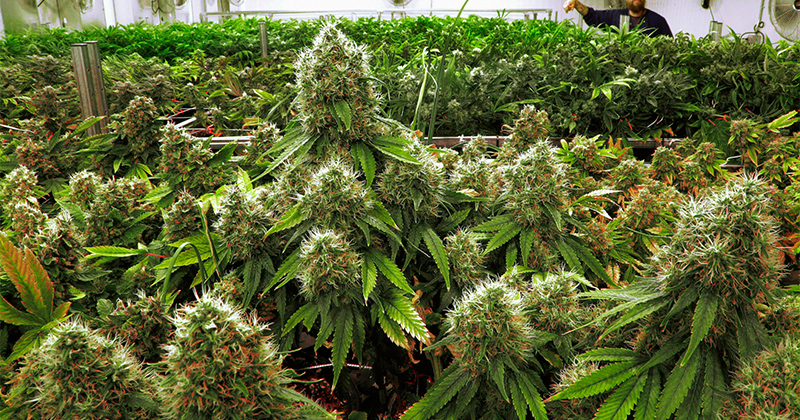
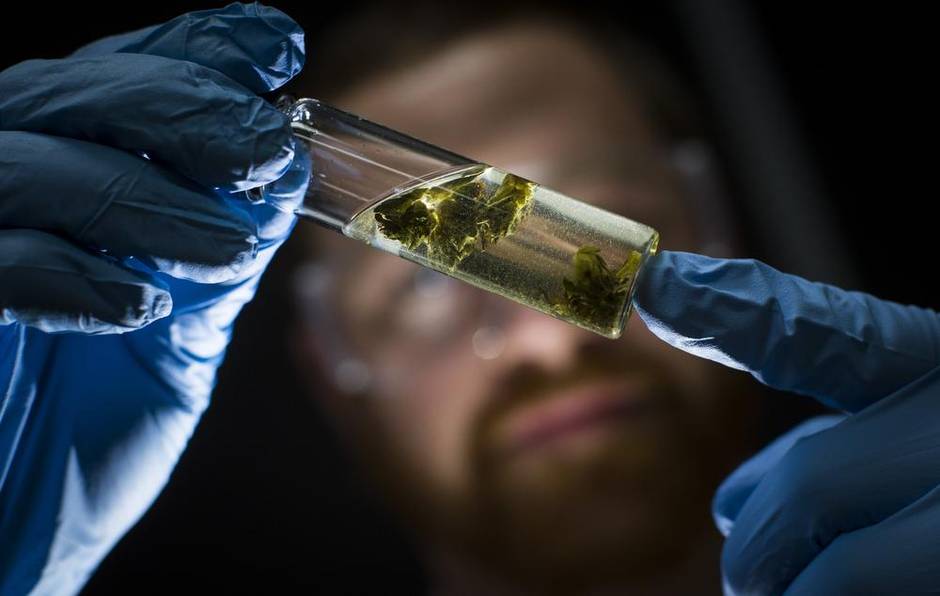
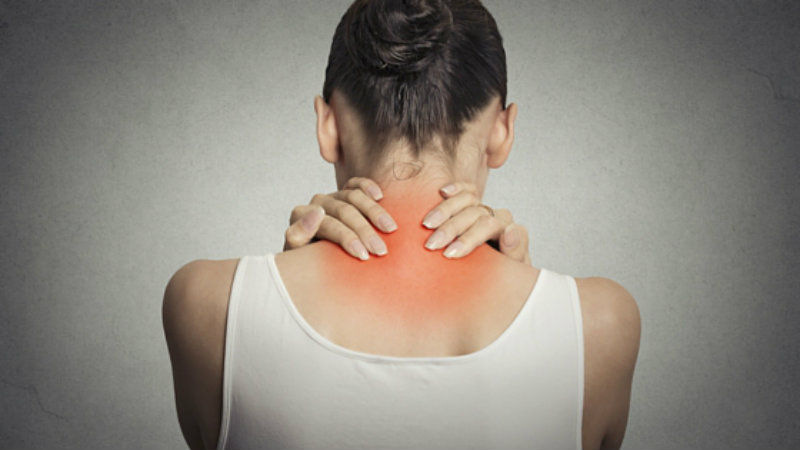
In countries where the medical use of cannabis is legal, chronic pain is one of the leading reasons for prescribing cannabis. The effectiveness of the cannabis for pain relief relies heavily on the combination of cannabinoids prescribed strains. Some strains are notably more effective than others. Here’s which cannabinoid—THC or CBD—is more effective for pain relief.
THC or CBD: Which Is Better for Pain Relief?
The best answer to this question might be both. While THC and CBD each have pain-relieving properties, the two cannabinoids work best together, in what is known as the entourage effect.
The entourage effect suggests that using the whole plant enhances the effects of each of the compounds in cannabis. THC and CBD therefore work synergistically to enhance the overall pain-relieving effect.
The THC is the psychoactive compound in the cannabis plant. Medical patients often find that using cannabis with a high THC content provides adequate pain relief. However, they often need to try different strains to find the one that works best for them.
The cannabidiol (CBD) It is psychoactive but not psychotropic: it affects the body without causing a "high." This cannabinoid has calming and anti-inflammatory effects, while also tempering the effects of THC. CBD is often used to treat spasticity in multiple sclerosis and muscle cramps.
Not only do THC and CBD work together, but these components of cannabis also interact with the terpenes, the aromatic molecules found in the plant's resin glands.
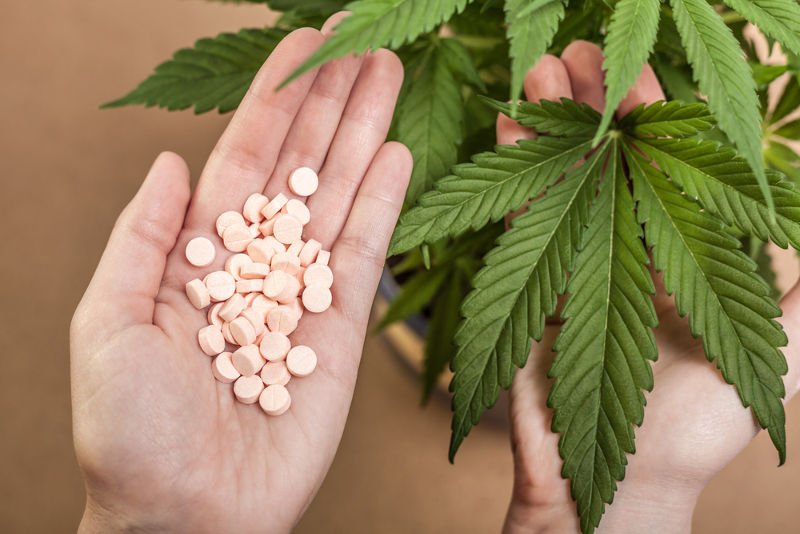
In some countries, Sativex is available for the treatment of cancer-related pain. In France, it can potentially be prescribed only to treat spasticity associated with multiple sclerosis, but is not currently on the market.
Which cannabis strains are effective for pain relief?
In light of these explanations, a strain that contains THC and CBD and is rich in terpenes would be best suited for pain relief. However, everyone reacts differently to cannabis, and a strain that is effective for one patient may not necessarily be effective for another.
In general:
- Indica strains, which have a sedative effect, are among the most popular choices for managing chronic pain
- A combination of CBD and THC may be more effective than THC alone
- A strain high in THC can help you forget the pain more easily
- CBD strains are more suitable for daytime use
- Sativa strains are more commonly used to treat neuropathic pain and chronic migraines
- A highly fragrant variety contains more terpenes
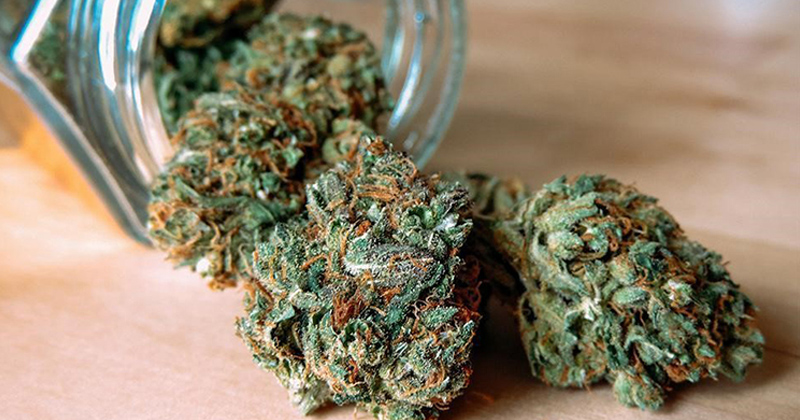
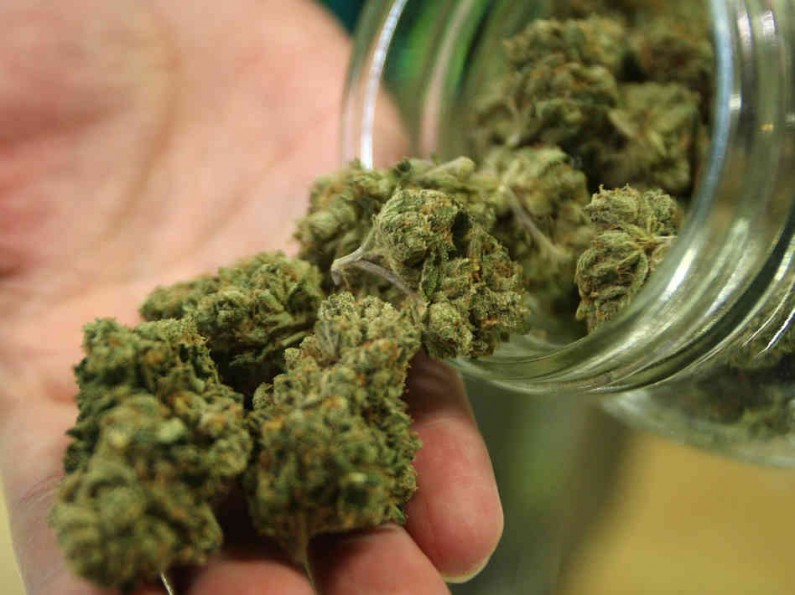
And although this is not an exhaustive list, here are 5 examples of strains used for pain relief in medical cannabis:
- Sour Tsunami (CBD)
- Harlequin (CBD)
- Cannatonic (CBD)
- Critical Mass (THC)
- Afghan Kush (THC)






CBD in France: Traceability, Retail Stores, THC and Driving… What the New Bill Proposes

Organigram Enters the Race for Aurora Cannabis

Medical Cannabis: Augur Associates’ latest report provides an update ahead of the publication of the decrees

Golden Buds is relaunching its Nova High vape pens with a cannabinoid formula that’s out of the ordinary

Cannabis is now Canada's fifth-largest commercial crop

Bedrocan Finally Declared Bankrupt

After CBD, Can Wellness Exist Without Cannabinoids?

Uganda Launches a Cooperative Dedicated to Medical Cannabis

Ukraine: First Cancer Patient Prescribed Medical Cannabis

Cannabis Oil and Endometriosis: A Promising Study for Pain Relief
-
 Business1 week ago
The legal cannabis market in New York exceeds 4 billion $ in revenue
-

 Cannabis in France3 weeks ago
Which countries legalized medical cannabis before France?
-
Business3 weeks ago
South Korea is preparing to begin local production of medical cannabis to meet rising demand
-
Cannabis in the Netherlands4 weeks ago
One year after the launch of the Dutch cannabis experiment, the first trends are emerging
-
Cannabis in Thailand3 weeks ago
From the boom in dispensaries to a purely medical approach: Thailand is revising its cannabis policy
-
Cannabis and driving3 weeks ago
Medical Cannabis and Driving: New South Wales Ends Automatic Penalties for THC
-
Cannabis in Argentina4 weeks ago
Argentina Opens Its Market to Hemp Flowers Containing 1% of THC
-
Autism3 weeks ago
Autism and Cannabis: Results from the First Placebo-Controlled Trial of NTI164
















You must be logged in to post a comment Login