
Why cannabis studies contradict each other

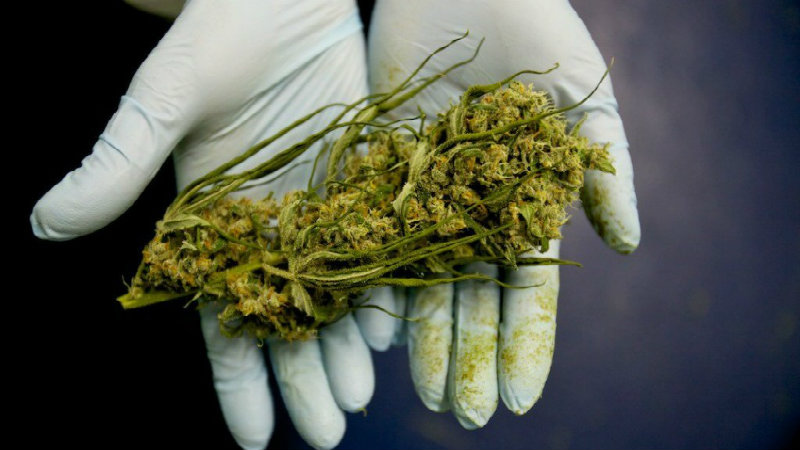
Studies on cannabis are both numerous and still rare. And when they are published, they sometimes tend to contradict one another. Why? American scientists complain about the’restricted access to cannabis, the lack of infrastructure and resources to study the benefits and risks of this plant.
No large-scale testing
Several factors may account for the conflicting conclusions of studies on medical cannabis. First, the product’s illegal status. Scientists have difficulty accessing medical cannabis. Whether in France or the United States, the administrative process is lengthy, and legal sources of supply are scarce. When samples finally arrive, with often low-quality weed, and since they do not reflect the products found on the street either, the test panels are often too small to be completely reliable.
Aditi Kalla, from the Einstein Medical Center, sums it up well: «There isn’t adequate infrastructure to study cannabis properly. But whether people say good or bad things about it, we just want to guide future research.»
Example of a contradiction
One of the many issues being studied in relation to cannabis is the possible increase in the risk of cardiovascular events. A massive study of 20 million medical records—including 316,000 cannabis users—found a 10% increase in stroke risk. The problem is that an international study followed 5,000 people for 20 years. Scientists have concluded that there is no link between cardiovascular events and marijuana use. Another from Sweden is consistent with the latter. And these are just three among hundreds. It is therefore difficult to form a clear-cut and definitive opinion on the matter.
Since the substance is banned, scientists must also rely on patients to be truthful about their use of the substance, their lifestyle, and their consumption of legal drugs.
And even as its use becomes more widespread and people become more open about it, the politicization of cannabis is causing unease in the scientific community, which is often divided on the ultimate outcome of medical cannabis use.
Where the studies agree
Some studies do, however, agree. It is verified today that medical cannabis can relieve chronic pain and nausea in cancer patients and help manage spasticity associated with multiple sclerosis. For some individuals, however, cannabis use results in harmful side effects—both short-term and long-term—that science has yet to fully understand.









294 cannabis clubs in Chile: a booming movement with uneven distribution

Chronic Sciatica: New York Approves First Clinical Trial of a THC-Based Medication

United States: The DEA is accelerating the integration of medical cannabis at the federal level

Florida is nearing one million patients using medical cannabis

Uruguay Revives Its Plan to Allow Tourists to Legally Access Cannabis

In Brazil, researchers are developing an innovative CBD eye drop

Autism: Medical Cannabis Is Linked to Reduced Anxiety

The $28 billion U.S. hemp market remains under threat

Jamaica Eases Small Farmers' Access to the Cannabis Market

Faced with resistance from Aurora, Curaleaf raises its offer by 25%
-
 Business5 days ago
The legal cannabis market in New York exceeds 4 billion $ in revenue
-
Cannabis and driving4 weeks ago
Cannabis and CBD: French Drivers Can Now Lose Their License Even Without a Positive Test Result
-

 Cannabis in France2 weeks ago
Which countries legalized medical cannabis before France?
-
Business2 weeks ago
South Korea is preparing to begin local production of medical cannabis to meet rising demand
-
Cannabis in the Netherlands4 weeks ago
One year after the launch of the Dutch cannabis experiment, the first trends are emerging
-
Cannabis in Thailand2 weeks ago
From the boom in dispensaries to a purely medical approach: Thailand is revising its cannabis policy
-
Cannabis in France4 weeks ago
French medical cannabis remains stalled at the Ministry of Health
-
Cannabis in Argentina3 weeks ago
Argentina Opens Its Market to Hemp Flowers Containing 1% of THC

















You must be logged in to post a comment Login