Thailand: How to regulate cannabis after the opening of 6,000 stores?

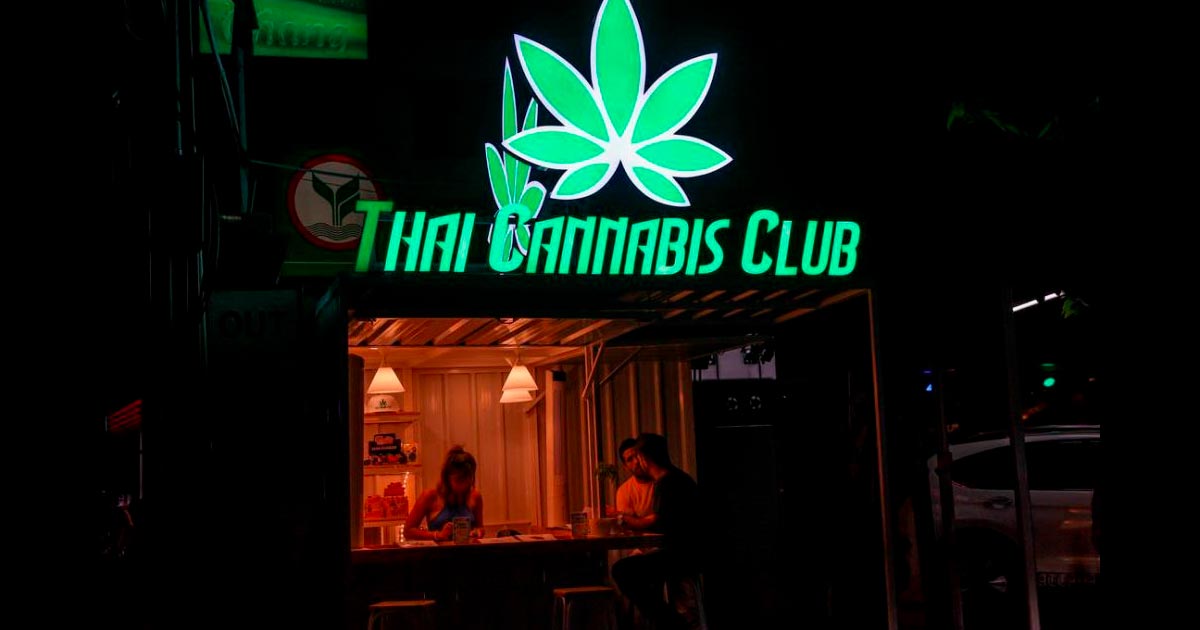
In June 2022, the Thailand made history by becoming the first Asian country to decriminalize cannabis, paving the way for over 6,000 cannabis stores nationwide.
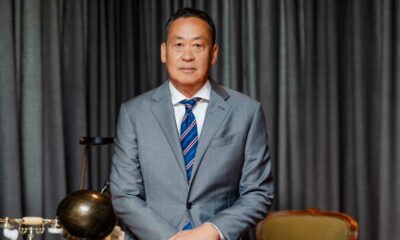
However, this rush for green gold has come up against an unexpected obstacle: opposition has intensified under new Prime Minister Srettha Thavisin, who is seeking a delicate balance between economic opportunities and public health concerns.
Thailand's booming cannabis industry
Thailand's foray into cannabis liberalization began in 2018 when it became Southeast Asia's first nation to legalize cannabis for medical purposes. The following years were marked by various amendments authorizing the production and sale of medical cannabis for companies but also for private customers. Thailand's new tolerance of cannabis contrasted sharply with neighboring countries such as Singapore and Malaysia, which maintain strict punitive measures for cannabis-related offenses.
The decriminalization of cannabis in June 2022, with its sweeping regulations, resulted in the proliferation of thousands of cannabis stores across the country. A regulatory vacuum emerged, creating difficulties in overseeing an industry that grew faster than the government could regulate it.
In Bangkok, dispensaries are scattered across the streets, with shopping malls housing up to 20 cannabis businesses. This situation has prompted the newly-elected government, led by Prime Minister Thavisin, to seek to regulate the cannabis industry and its use.
Regulatory challenges and public health concerns
The unexpected growth of the cannabis industry has forced the government to reassess its policies. Health Minister Cholnan Srikaew stressed that, despite the economic benefits, health considerations would take priority. Failure to adopt a new version of Thailand's cannabis bill ahead of the May elections has highlighted concerns about the risks of abuse and addiction. Mr. Thavisin pledged to «rectify» Thailand's cannabis legislation, limiting its use to medical purposes within six months of taking office.
Prime Minister Thavisin has recognized the need for a complete rewrite of cannabis laws at the time. He said that regulations needed to be «rectified» to ensure that cannabis was regulated exclusively for medical use. Asked about the possibility of a compromise for recreational use, Mr. Thavisin replied firmly with a «no», citing the widespread problems associated with cannabis use in recent times.
The government, led by Health Minister Cholnan Srikaew, intends to tighten control over Thailand's cannabis industry. A new cannabis bill is due to be submitted to the Cabinet for approval in December. The revised bill is expected to fill in gaps and loopholes, define authorized uses for cannabis, and introduce new cultivation protocols and criminal penalties for violations. It remains to be seen what will be included in «medical» use, which would still allow the industry to develop and welcome the many tourists now seeking legal cannabis in this part of the world.



















Cronos Completes the Acquisition of CanAdelaar for 57.5 million euros

Cannabis with a "bloody" twist: Discover Sensi True Blood and Sensi Sangria, the two new strains from Sensi Seeds

Hemp: The Council of the EU Takes a Stand on New Production and Marketing Rules

Missouri's legal cannabis market accounts for 93 % of consumer spending

THC Gummies: How to Read a Certificate of Analysis Before Buying

British patients now have access to THCV-rich cannabis flowers

Spain: Medical Cannabis Is Coming to About 50 Hospitals

JIHE 2026: Japan’s Largest Trade Show Dedicated to Hemp and CBD Returns to Tokyo with More Than 100 Industry Players

New Caledonia: The Courts Clear the Way for the Return of CBD

The Brazilian medical cannabis market continues to grow
-
 Business3 weeks ago
The legal cannabis market in New York exceeds 4 billion $ in revenue
-

 Cannabis in France4 weeks ago
Which countries legalized medical cannabis before France?
-
Cannabis in France7 days ago
France already has 3,000 cannabis retail outlets. None of them are legal.
-
Business4 weeks ago
South Korea is preparing to begin local production of medical cannabis to meet rising demand
-
Cannabis in the U.S.1 week ago
A DEA report confirms that there are no fatal cannabis overdoses
-
Cannabis in Thailand4 weeks ago
From the boom in dispensaries to a purely medical approach: Thailand is revising its cannabis policy
-
Cannabis and driving4 weeks ago
Medical Cannabis and Driving: New South Wales Ends Automatic Penalties for THC
-
Cannabis in France3 weeks ago
France’s Drug Policy Chief Defends Cannabis Prohibition... and Runs Into the Facts
















You must be logged in to post a comment Login