
SpaceX to deliver Cannabis to the ISS

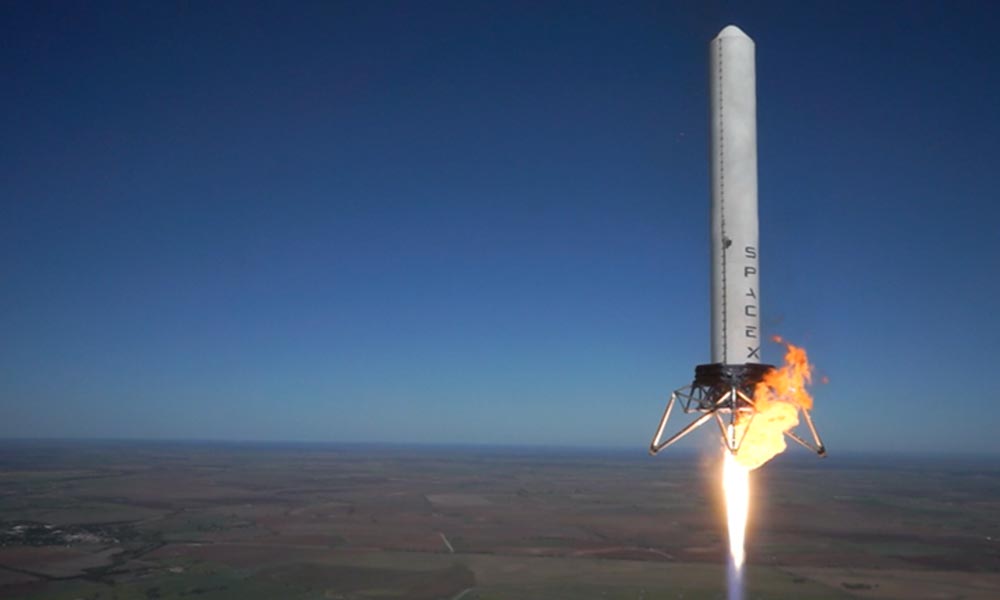
SpaceX will embark on His business involves two of the most widely consumed plants in the world: coffee and cannabis.
The agrotech company Front Range Biosciences® (FRB) has partnered with SpaceCells USA Inc., which is funding and managing the project, to send coffee and hemp tissue cultures into space. The experiment will investigate whether plant cells undergo changes in gene expression or genetic mutations in space.
The cargo will be loaded onto a SpaceX CRS-20 cargo flight, scheduled to launch in March 2020. From there, the equipment will travel to the International Space Station (ISS), where the experiments will be conducted under strict conditions by NASA astronauts and designed by BioServe Space Technologies, a research arm of the University of Colorado.
Nearly 500 plant cultures will be present in the ISS plant incubator. BioServe will monitor the growing conditions for about a month from its operations center at the University of Colorado in Boulder. Once the cells return to Earth, FRB will examine how exposure to space radiation and microgravity has affected the plants’ gene expression.
«This is one of the first times anyone has studied the effects of microgravity and spaceflight on hemp and coffee cell cultures,» said declared Dr. Jonathan Vaught, co-founder and CEO of Front Range Biosciences. «There is scientific data to support the theory that plants in space undergo mutations. This is an opportunity to see if these mutations persist once the plants are brought back to Earth and if there are new commercial applications.»
These changes are, in fact, the reason why it would be difficult today to smoking cannabis in space.
So why send coffee and cannabis into space?
The experiment could help farmers and scientists understand how space affects plant responses and whether plants respond well to being sent into space. The goal is, in particular, to address the challenges posed by climate change to growing conditions on Earth, such as drought and high temperatures.
«These are big ideas we’re pursuing, and there’s a huge opportunity to commercialize new chemotypes, as well as plants that can better adapt to drought and cold,» said Peter McCullagh, CEO of SpaceCells. «We hope to demonstrate through these and other missions that we can adapt the food supply to climate change.»
«We envision this as the first in a series of experiments we’ll conduct together,» said Louis Stodieck, chief scientist at BioServe Space Technologies at the University of Colorado Boulder. «In the future, we plan for the crew to harvest and preserve the plants at different stages of their growth cycle so that we can analyze which metabolic pathways are activated and which are deactivated. This is a fascinating area of study with considerable potential.»
Another startup, Space Tango, sent hemp seeds to the ISS via a SpaceX rocket, brought them back to Earth, and began growing them. Their results do not appear to have been published yet.
















Medical Cannabis and Driving: New South Wales Ends Automatic Penalties for THC

China's Yongji Health Takes Control of Tasmanian Botanics

Autism and Cannabis: Results from the First Placebo-Controlled Trial of NTI164

Which countries legalized medical cannabis before France?

From the boom in dispensaries to a purely medical approach: Thailand is revising its cannabis policy

South Korea is preparing to begin local production of medical cannabis to meet rising demand

In the United States, cannabis use among high school students has reached an all-time low

Medical cannabis use surges by 64 % in Denmark

Canopy Growth Enters the U.K. Market with Four Canadian Strains

CBD: Full-Spectrum Extracts Under Threat in Greece
-
 Cannabis and driving2 weeks ago
Cannabis and CBD: French Drivers Can Now Lose Their License Even Without a Positive Test Result
-

 Cannabis in France1 day ago
Which countries legalized medical cannabis before France?
-
Cannabis in France3 weeks ago
Cannabis Legalization: The LFI Bill Has a Major Problem—THC
-
Cannabis in the Netherlands2 weeks ago
One year after the launch of the Dutch cannabis experiment, the first trends are emerging
-
Cannabis in France2 weeks ago
French medical cannabis remains stalled at the Ministry of Health
-
Cannabis in Argentina1 week ago
Argentina Opens Its Market to Hemp Flowers Containing 1% of THC
-
Business2 weeks ago
The United Kingdom Is Moving Closer to a Regulated CBD Market
-
Cannabis in France1 week ago
Rima Hassan: When «Drugs» Become a Political Weapon















You must be logged in to post a comment Login