Health Canada publishes its first regulatory proposals on cannabis edibles and extracts

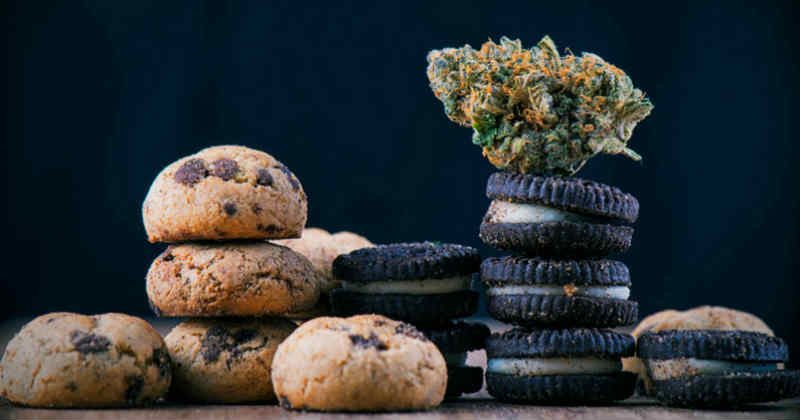
Health Canada has just unveiled its first draft regulations concerning edibles (solid and liquid) and cannabis extracts for topical application, ingestion or smoking. These initial indications will enable the industry to prepare for the second wave of legalization. These regulations apply to both the medical and recreational cannabis industries. Patients will be able to choose to buy their products directly from growers, just as they do for flowers.
The official version of these proposals was released on Saturday, December 22, and Health Canada will be accepting feedback from the public until February 20, 2019. In addition, roundtables and webinars will be organized to get expert input and explain the purpose and operation of the proposed regulations. The final version of the regulations should be published around July, with legalization scheduled for October 17.
Health Canada's proposals
In particular, the regulations prohibit products that resemble or imitate familiar food products, or that are packaged like candy. When it comes to labeling, the same regulations that apply to non-cannabis food and beverage products should also apply to cannabis edibles. Edible labels will have to include a list of ingredients, a best-before date and a nutrition facts table specific to cannabis. Packaging must feature a cannabis symbol and a standardized single serving size with THC levels within established limits.
Health Canada has proposed a limit of 10mg per package for edible cannabis. This corresponds, for example, to 1 unit of 10mg or 2 units of 5mg per package. For cannabis extracts, The limits are 10mg THC per unit and 1000mg per pack, so on a pack of capsules, for example, the capsule will be limited to 10mg THC and the pack may contain a maximum of 100. Topicals and concentrates are limited to 1000mg THC per pack.
With regard to composition, all edible cannabis products must be stable, i.e. not refrigerated or frozen. The use of meat, poultry and fish products as ingredients would be prohibited, except under exceptional circumstances. Alcohol is also banned from edibles and in beverages containing THC. Health Canada is also proposing to ban caffeine from edible cannabis preparations, but some manufacturers are complaining that ingredients naturally containing caffeine are being used in the manufacture of certain cakes, etc.
Deepak Anand, a local elected official representing Ontario for cannabis thinks that the limits are too restrictive for packs and drinks. In addition, he points out that “consumers can buy two, three or four individual packs. They should have the option of higher-dosage products if they want them». He takes the example of California, Colorado and Washington, where customers can buy packs containing up to 100 milligrams of THC, with units containing up to 10mg. However, these limits appear to be in line with Health Canada's objective of developing strategies to encourage the use of less potent cannabis.






Medical Cannabis in Germany: THC Prices Vary by a Factor of 12

France already has 3,000 cannabis retail outlets. None of them are legal.

Morocco's exports of legal cannabis have expanded to 15 countries

Aurora Cannabis Doubles Its Production Capacity in Germany

Tilray is accelerating its operations in Europe thanks to a license in Portugal

Boston will host the 10th annual State of the Cannabis Industry Conference on October 26

A DEA report confirms that there are no fatal cannabis overdoses

A British patient is challenging the NHS's refusal to reimburse medical cannabis

October 2026 CBD Highlights: 10 Strains and Hash to Discover from 5 French Producers

CBD in France: Traceability, Retail Stores, THC and Driving… What the New Bill Proposes
-
 Business2 weeks ago
The legal cannabis market in New York exceeds 4 billion $ in revenue
-

 Cannabis in France3 weeks ago
Which countries legalized medical cannabis before France?
-
Business3 weeks ago
South Korea is preparing to begin local production of medical cannabis to meet rising demand
-
Cannabis in Thailand3 weeks ago
From the boom in dispensaries to a purely medical approach: Thailand is revising its cannabis policy
-
Cannabis and driving3 weeks ago
Medical Cannabis and Driving: New South Wales Ends Automatic Penalties for THC
-
Cannabis in Argentina4 weeks ago
Argentina Opens Its Market to Hemp Flowers Containing 1% of THC
-
Autism3 weeks ago
Autism and Cannabis: Results from the First Placebo-Controlled Trial of NTI164
-
Cannabis in France2 weeks ago
France’s Drug Policy Chief Defends Cannabis Prohibition... and Runs Into the Facts

















You must be logged in to post a comment Login