Canada: Cannabis beverages will not be allowed to be labeled «beer» and «wine»

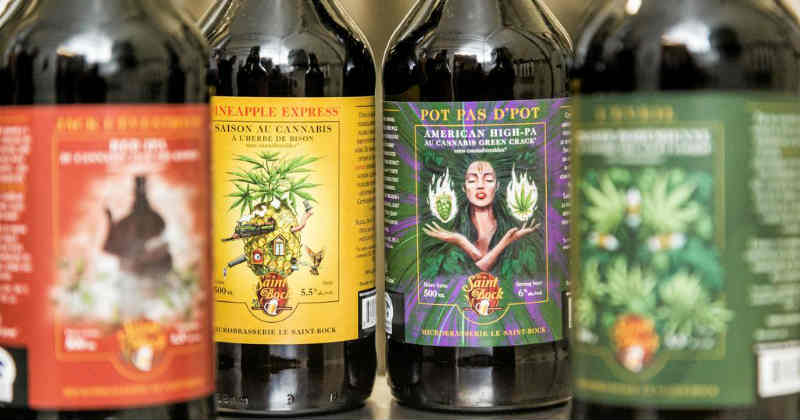
Canada legalizes cannabis in dried flower or oil form last October. The second wave of legalization, next October, will concern edibles including cannabis-infused drinks. The government is working on preliminary regulations and some of them are already sending shivers down the industry's spine. Among them is the ban on cannabis drinks bearing the name «beer» or «wine».
Cannabis drinks, a promising market
In the United States, cannabis beverages have already established themselves as a major consumer trend in the cannabis scene. Whether cannabis-flavored alcohol or alcohol-flavored cannabis, they are commonly referred to as «cannabis beer» or «cannabis wine». Visit Lagunitas de Heineken for example, tastes like beer but contains THC. The other way around, sparkling wine from French brand Rozoy & Picot tastes like cannabis but contains alcohol.
Many companies have already invested in the concept in anticipation of October 17 in Canada. Among them are alcohol giants looking to diversify into cannabis, such as AB InBev, Constellation Brands (Corona), Molson Coors and Heineken. At the same time, scientists are developing new technologies for brewing or infusing cannabis to make cannabinoid beverages. In some cases, the production process is the same as that for wine and beer, or even tastes the same, with only the active ingredient differing.
Overly restrictive regulations?
Canadian regulations strive to keep alcohol and cannabis strictly separate. This political will is reflected in the composition of products, which cannot contain both, and in distribution outlets, which cannot sell both, but the government has pushed the concept right down to product marketing. Cannabis drinks cannot be called beer or wine. It's a real marketing challenge for the cannabis beverage industry. What kind of new name could these products come up with?
These restrictive regulations apply not only to the name of cannabis-infused beverages, but also to their production. Production must take place in buildings that are separate from any food production. Producers who devote themselves to other activities will therefore have to build entirely new facilities, rather than devoting part of their premises to them, in compliance with current standards. For an edibles producer, two plants will be needed: one for food and one for beverages. The associated costs will be passed on to consumers.
In terms of packaging, beverages will be subject to the same restrictions as other cannabis products: plain-colored packaging, reduced brand logo, etc. These branding are having a direct impact on companies, particularly those with established brands in the alcohol sector. They need to rebuild a brand and identity for cannabis, rather than transfer their reputation from one sector to another. Cross-border transfer will also be complicated for American brands that already brand their products as cannabis wine or beer.
In the alcohol sector, restrictions on packaging, marketing and branding are not so important. Cannabis manufacturers fear that these restrictions will only increase the price of their products, as this was the case for classic cannabis after legalization. One question remains as to how the consumption of cannabis products will be regulated. Will they be allowed only where smoking tobacco and cannabis are permitted, or can they be served in restaurants, bars, clubs and events?







Bedrocan's bankruptcy delays medical cannabis reform in the Netherlands

Where to Buy Affordable CBD in 2026? Our Tips for Making the Right Choice

"No authorization, no organic certification for CBD products," rules the European Court of Justice

Denmark Revises Medical Cannabis Prices Following Errors

Silent Seeds introduces its CB2 gummies: a new generation of THC-free wellness products

2,800-Year-Old Cannabis Seeds Discovered in Siberia

2026 U.S. Midterm Elections: A Major Victory for Cannabis Legalization

The United Kingdom is set to ban THCA and HHC

Cannabis in Nepal: The Supreme Court Paves the Way for Historic Legalization

Hempspresso 54 | Le Zap du Canna
-
 Business3 weeks ago
Cronos Completes the Acquisition of CanAdelaar for 57.5 million euros
-
Cannabis in France3 weeks ago
France already has 3,000 cannabis retail outlets. None of them are legal.
-
Cannabis in Quebec2 weeks ago
Cannabis: What France Could Learn from Quebec, Eight Years After Legalization
-
Cannabis in the U.S.4 weeks ago
A DEA report confirms that there are no fatal cannabis overdoses
-
Studies on cannabis4 weeks ago
Cannabis Oil and Endometriosis: A Promising Study for Pain Relief
-
Cannabis in France4 weeks ago
CBD in France: Traceability, Retail Stores, THC and Driving… What the New Bill Proposes
-
Business4 weeks ago
Tilray is accelerating its operations in Europe thanks to a license in Portugal
-
Cannabis in New Zealand2 weeks ago
Chronic Pain: New Zealand Is Testing Cannabis to Improve Sleep















You must be logged in to post a comment Login