Over-regulation of the legal cannabis market has led to the persistence of the black market

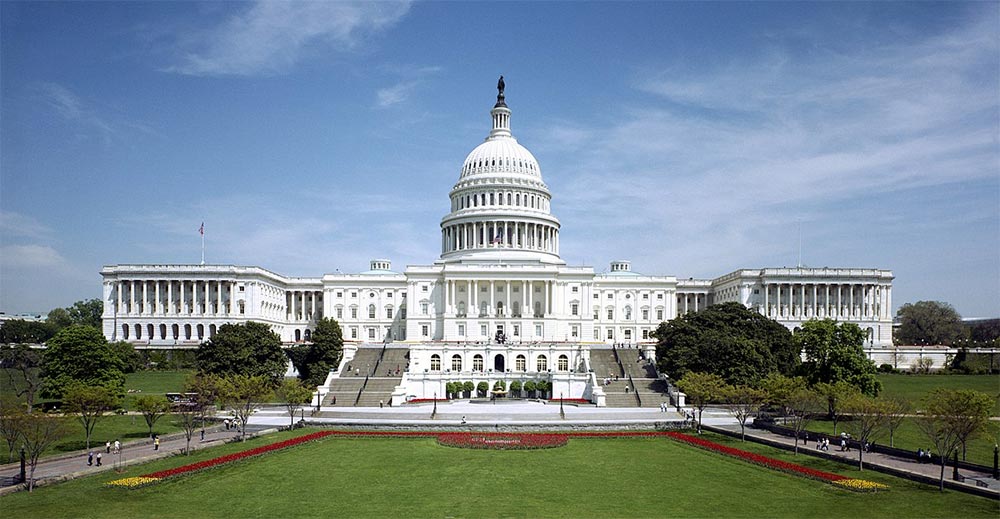
According to an exploratory study published in July 2019 and focusing on Colorado and Washington, the top two American states to have legalized cannabis, Too much regulation of the legal cannabis market would lead to the black market persisting after legalization.
«Qualitative analysis of the data reveals that regulation is one of the main reasons why people stay on the illicit market,» we read. in paper. «Comparing cannabis crime trends in Colorado and Washington shows mixed results. While Colorado's cannabis offense rates have remained stable over the years, Washington's have increased dramatically after the implementation of stricter regulations.»
Sikang Song, the student behind the study, wanted to understand why the illegal cannabis market persists in states where cannabis is legal. Given that producers, sellers and consumers have «legal channels» to produce, market and obtain cannabis, illegal channels should presumably diminish. And indeed this is what is happening, but the black market persists to a greater or lesser extent depending on the state.
In 2018, a survey revealed that 18% of cannabis consumed in California still came from the black market.
In his analysis, Sikang Song investigated whether there was a link between the intensity of cannabis-related state regulation and the extent of the remaining illegal market. First, he reviewed press articles published between late 2013 and April 2019 featuring interviews with growers, sellers and consumers sharing the various reasons why they remain in the unregulated market. He then examined whether cannabis-related arrest rates had changed in the first two legal states after new regulations were put in place.
According to the study, the reasons most people reported growing or selling cannabis illegally were «strict regulations and the high cost associated with compliance». Other reasons for staying in the illegal market included high taxes, market fluctuations and organized crime.
Song also noted that Washington's crime rate increased after the state introduced more regulations. «In 2014 and 2015, marijuana-related crime rates per 100,000 residents were both around 26,» he wrote. «That number rose to more than 28 incidents per 100,000 residents in 2016. In 2017, law enforcement in Washington reported 2,628 cannabis-related offenses, for an annual crime rate of 35.96 per capita.»
Colorado, on the other hand, saw no significant short- or long-term change in its cannabis crime rate after the state implemented new cannabis regulations.
«Although the results are not conclusive, the findings from the Washington data show that regulatory intensity may be one of the main factors influencing or explaining the persistence of illicit cannabis transactions after legalization,» says the study. «The fact that the black market continued to grow after the implementation of more complex and sophisticated regulations indicates at least a correlation between regulatory intensity and black market growth in the case of Washington.»
The fact that similar results were not reported in Colorado, the study continues, suggests «that the extent of illicit activity may be affected by the intensity of regulation in some states».
Ultimately, he added, these results raise questions about «the harmful effects of intensive regulation».
According to Song, one of the objectives of the cannabis legalization is to eliminate the unregulated market. It is therefore important that legislators consider the implications of unnecessarily strict rules. Instead, they should focus on creating a «fair and accessible market allowing large and small companies to coexist».
On our side of the Atlantic, a Belgian study showed that the more intense the repression, the more attractive the illegal cannabis market. L’French CANNALEX study also concluded that the black market persisted in certain states where cannabis was legal, but was mainly destined for export to states that had not yet taken the plunge. In an open market, differences in regulations are also opportunities.

















JIHE 2026: Japan’s Largest Trade Show Dedicated to Hemp and CBD Returns to Tokyo with More Than 100 Industry Players
New Caledonia: The Courts Clear the Way for the Return of CBD

The Brazilian medical cannabis market continues to grow

Morocco: Three Cannabis-Based Medications Approved for the Treatment of Epilepsy

Canopy Growth Receives New EU-GMP Certification to Strengthen Its Presence in Europe

Three years after legalizing medical cannabis, Albania continues to establish regulations for it

The first plant-based medical THC spray arrives in the United Kingdom

Medical Cannabis in Germany: THC Prices Vary by a Factor of 12

France already has 3,000 cannabis retail outlets. None of them are legal.

Morocco's exports of legal cannabis have expanded to 15 countries
-
 Business2 weeks ago
The legal cannabis market in New York exceeds 4 billion $ in revenue
-

 Cannabis in France4 weeks ago
Which countries legalized medical cannabis before France?
-
Business4 weeks ago
South Korea is preparing to begin local production of medical cannabis to meet rising demand
-
Cannabis in France4 days ago
France already has 3,000 cannabis retail outlets. None of them are legal.
-
Cannabis in Thailand4 weeks ago
From the boom in dispensaries to a purely medical approach: Thailand is revising its cannabis policy
-
Cannabis in the U.S.5 days ago
A DEA report confirms that there are no fatal cannabis overdoses
-
Cannabis and driving3 weeks ago
Medical Cannabis and Driving: New South Wales Ends Automatic Penalties for THC
-
Cannabis in France3 weeks ago
France’s Drug Policy Chief Defends Cannabis Prohibition... and Runs Into the Facts
















You must be logged in to post a comment Login