Nine US states legalize cannabis in 2021

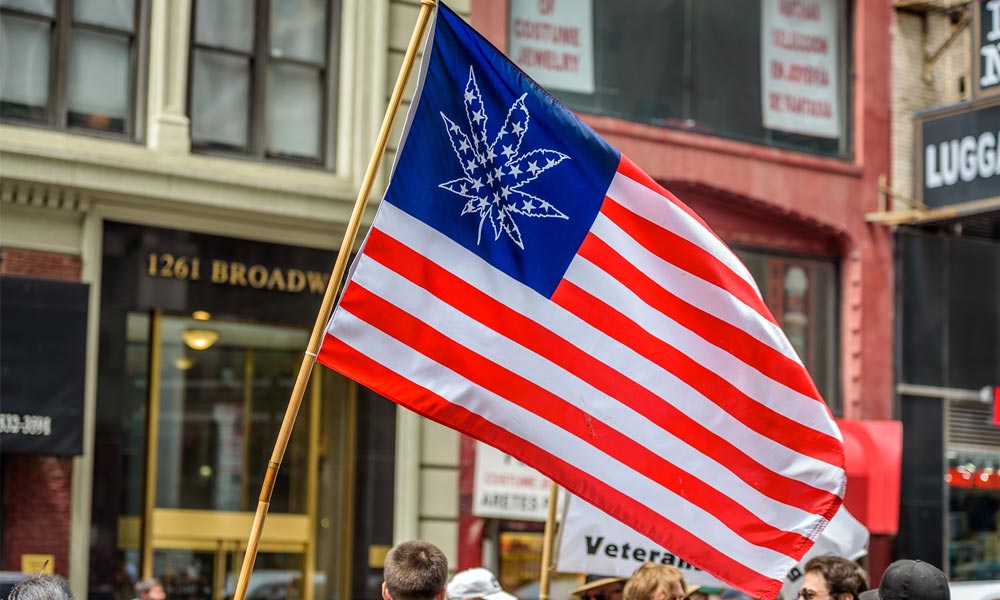
If 2020 was a good year for cannabis legalization in the U.S., Despite a moribund year from a health point of view, 2021 proved to be a pivotal year.
The cannabis is now legal in the United States in 36 states for medical reasons, and available for recreational use in 18 states. Only 4 states maintain total prohibition of cannabis products; 3 other states have decriminalized but not legalized it; and 7 states maintain cannabis prohibition but have legalized certain cannabis products such as CBD oil.
As of 2021, 7 states have legalized cannabis, and 2 others have adopted medical cannabis. Most states that have not legalized cannabis choose to decriminalize it anyway, such as Louisiana, and other states, including the Pennsylvania and Rhode Island, At the time of writing, the French government is still debating plans for cannabis reform.
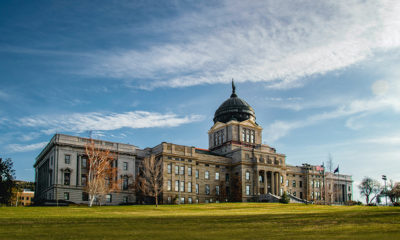
Montana - Recreational
Cannabis possession became legal on January 1 after more than 340,000 Montana residents voted for Initiative 190 at the ballot box in 2020. However, recreational sales will not begin until 2022.
Arizona - Recreational
The state began 2021 with legal cannabis possession; retail sales of recreational cannabis began on January 22. Arizona became the fastest state to move from prohibition to recreational sales. In a model of democratic efficiency, it took less than two months from the certification of election results to the sale of the first legal joint.
New Jersey - Recreational
It was not until February 22 that the results of the November elections were announced. become law in New Jersey. Unlike Arizona, where a ballot initiative is directly transcribed into law when approved by the voters, New Jersey requires legislative action to implement the results of any successful referendum.
New Jersey residents approved the cannabis legalization amendment by over 67 %.
South Dakota - Medical and recreational
State Measure 26, which sought to legalize medical cannabis, was approved by a large majority (70 %), while Amendment A, which sought to legalize adult-use cannabis, was approved by 54 %. The medical cannabis becomes legal in the state on July 1, 2021, without additional obstacles. This is where the real problems begin, as Republican officials have fought to reverse the legalization process.
South Dakota would have become the first state to legalize both medical and recreational cannabis, but Republican Governor Kristi Noem and her administration cancelled the recreational part of the measure, going against the citizens' vote.
The South Dakota Supreme Court is currently considering whether to take up the case and reinstate the legalization of recreational cannabis. Since all members of the South Dakota Supreme Court are affiliated with the Republican Party, advocates don't expect the Court to support the voters' decision. Instead, South Dakota lawmakers are trying to pass a bill that would etch cannabis legalization into law, regardless of what Republican dogmatists want.
Mississippi - Medical (decision rescinded)
Although they voted in favour of legalizing medical cannabis by a large majority (over 73 %), Mississippi residents were denied this opportunity by Republican courts. When Mississippi introduced citizen initiatives to put questions on the ballot, the state had five congressional districts. The state constitution stipulated that the congressional districts must each represent 20 % of the signatures on the initiative, requiring the support of all five districts. However, in 2000, Mississippi dropped one congressional district. The state now has only four districts, but the constitution still requires signatures from five different districts, which is impossible.
Despite this problem, numerous ballot initiatives have been launched in Mississippi since 2000, and all have been authorized by the state supreme court - until today, where the Court invoked this reason to block the legalization of cannabis.
New York - Recreational
On March 31, Governor Andrew Cuomo signed the bill legalizing cannabis for adult use in New York City. It was a key promise by Cuomo to fill the city's coffers and focus on social justice, particularly racial restorative justice. The bill required three years of debate but was passed by both houses of the state legislature with a supermajority of votes.
Alabama - Medical
Several Republican lawmakers filibustered to prevent the passage of the cannabis reform bill. Nevertheless, SB 46 has been adopted and, on May 17, medical cannabis was added to Alabama legislation. Although the bill was eventually approved, the final version was stripped by committees; cannabis tax revenues for research were cut in half, the list of conditions required to receive cannabis treatment was shortened, and provisions were included to make it difficult and expensive for doctors to recommend cannabis to their patients.
Another source of concern for Alabama activists is that the bill only allows doctors to prescribe cannabis when «conventional therapeutic intervention and opioid treatment are contraindicated or have proven ineffective», encouraging doctors to favor prescribing addictive opioids over non-addictive cannabis.
New Mexico - Recreational
Governor Michelle Lujan Grisham had legalization in her sights for years. She did it in 2021 too, because of Republican obstruction in the legislature, but the governor called a special legislative session dedicated to cannabis and the proposal was accepted by a narrow margin. Cannabis became legal on June 29, with Republican restrictions on the amount that can be possessed and a ban on the public consumption of cannabis products. Retail sales are scheduled to begin in April 2022.
Connecticut - Recreational
Governor Ned Lamont is personally committed to legalization and has introduced bills to this end. Although the road to success has been thorny, the Governor signs full legalization of cannabis, as well as social justice provisions. Possession became legal on July 1. Retail sales are expected to begin before the end of 2022.
Virginie - Recreational
The Virginia legislature has proven to be a model of efficiency in its legalization efforts. April 2020, legislators decriminalized cannabis. In August of the same year, the state's first medical dispensary opened its doors. In February 2021, legislators have also legalized recreational cannabis. With no Republican legislators voting for it in either chamber, the recreational cannabis bill enjoys near-unanimous support from Democratic lawmakers.
Initially, legalization was supposed to take effect in 2024, but Governor Ralph Northam himself introduced amendments that changed the effective date to July 1, 2021, accelerating the timetable by three years. Unfortunately, retail sales can't begin until lawmakers vote on the issue again, and Virginia voters elected Republican Glenn Youngkin as their new governor in the interim. The future of cannabis sales, and perhaps cannabis legalization itself, is now uncertain in Virginia.














JIHE 2026: Japan’s Largest Trade Show Dedicated to Hemp and CBD Returns to Tokyo with More Than 100 Industry Players
New Caledonia: The Courts Clear the Way for the Return of CBD

The Brazilian medical cannabis market continues to grow

Morocco: Three Cannabis-Based Medications Approved for the Treatment of Epilepsy

Canopy Growth Receives New EU-GMP Certification to Strengthen Its Presence in Europe

Three years after legalizing medical cannabis, Albania continues to establish regulations for it

The first plant-based medical THC spray arrives in the United Kingdom

Medical Cannabis in Germany: THC Prices Vary by a Factor of 12

France already has 3,000 cannabis retail outlets. None of them are legal.

Morocco's exports of legal cannabis have expanded to 15 countries
-
 Business2 weeks ago
The legal cannabis market in New York exceeds 4 billion $ in revenue
-

 Cannabis in France4 weeks ago
Which countries legalized medical cannabis before France?
-
Business4 weeks ago
South Korea is preparing to begin local production of medical cannabis to meet rising demand
-
Cannabis in France4 days ago
France already has 3,000 cannabis retail outlets. None of them are legal.
-
Cannabis in Thailand4 weeks ago
From the boom in dispensaries to a purely medical approach: Thailand is revising its cannabis policy
-
Cannabis in the U.S.5 days ago
A DEA report confirms that there are no fatal cannabis overdoses
-
Cannabis and driving3 weeks ago
Medical Cannabis and Driving: New South Wales Ends Automatic Penalties for THC
-
Cannabis in France3 weeks ago
France’s Drug Policy Chief Defends Cannabis Prohibition... and Runs Into the Facts
















You must be logged in to post a comment Login