
Former NFL players call for removal of medical cannabis from list of banned substances

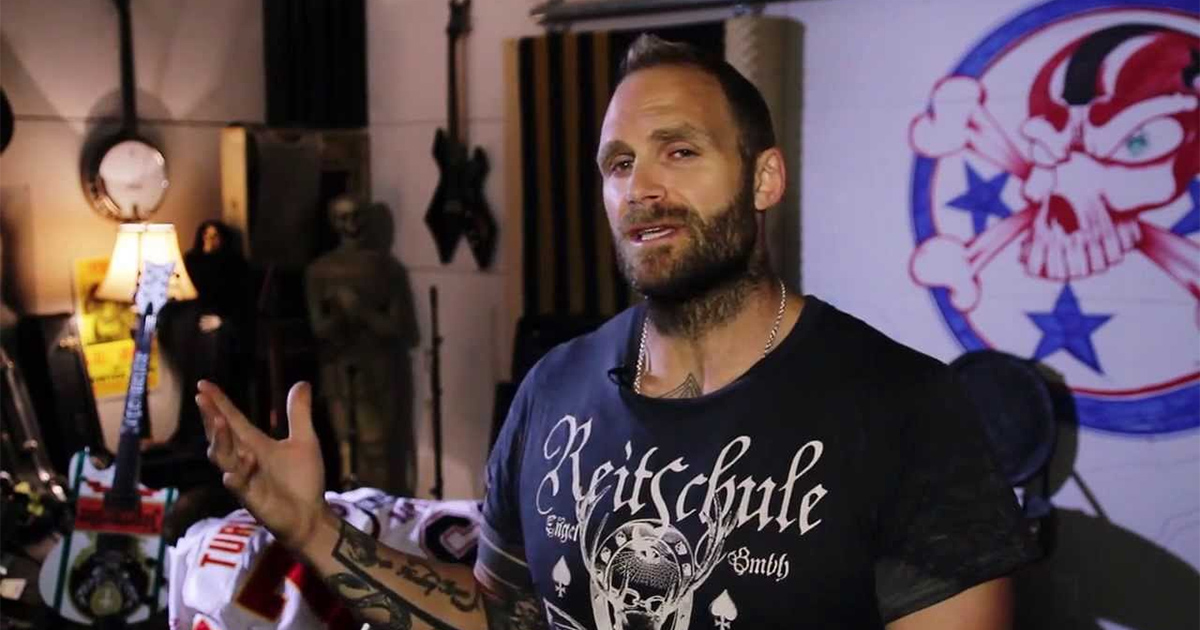
To understand American soccer, former Denver Broncos player Nate Jackson says you have to imagine one thing: the human body isn't made to absorb this punishment. «There's no right way to get hit by a truck».
Nate Jackson spent 6 seasons with the Denver Broncos. It's impossible for him to count the number of injuries he's had: «You're always healing from something».
To speed up the return to the field after an injury, a cocktail of painkillers and anti-inflammatory injections are prescribed. The widespread use of these highly potent treatments has, according to some, enabled the NFL to become the multi-billion-dollar industry it is today, but at some cost.
A 2011 study showed that former NFL players used 4 times more painkillers than the average population. And 70% of players use them during their careers. Kyle Turley, who played 10 seasons between 1997 and 2007, estimates 90%.
Turley and Jackson are part of a group of players trying to combat this epidemic of drug abuse by pushing the NFL to change its rules and allow players another alternative: medical cannabis.
Currently, cannabis, recreational or medical, is on the list of prohibited substances. All NFL players are tested once a year during the preseason. «As long as you pass the test, you can medicate year-round with cannabis,» says Jackson.
In fact, that's what he was doing. After coping with different painkiller cocktails during his career, he decided that medical cannabis worked best for him. «I can talk about all this because I've tried everything,» he says. «I've taken growth hormones, done injections, tried pills, tested marijuana. I'm not necessarily attracted to cannabis, but it helps my body better.».
Jackson estimates that at least half of NFL players medicate with cannabis, an estimate corroborated by other former players like Chris Kluwe.
While some see medical cannabis as an excuse to buy it recreationally, former players insist that's far from the truth. «It was never, «I'm going to get high and go flip town.» It was more like, «Yeah, I smoke a little and slump on the couch because I feel like shit after practice,»» confides Kluwe in an interview for HBO. The arrival of new forms of cannabis, from ointments to infused foods to syrups, may also help players target specific ailments.
For years, Kyle Turley navigated between different treatments to cure his injuries, insomnia, mood swings and suicidal urges. The side effects were overwhelming, and he didn't look back fondly on this period. His football-related medical problems didn't go away, and pills seemed the only option.
Moving to California last year, Turley was prescribed a medical patient card. «It was exactly what I was looking for to ease my mind and body,» he says. He got rid of all his other treatments. «I don't take Aleve, Advil, aspirin, nothing. I've been on it for 9 months drug-free« .
In early 2015, Turley created the Griridon Cannabis Coalition, a group of former players who want to share their personal experience with medical cannabis and advocate for its inclusion in the NFL.
Above all, they want the NFL to invest in research to see how medical cannabis can benefit players. Lester Grinspoon, professor emeritus at the Harvard Medical School and leading researcher in the health benefits of cannabis, sent an open letter in 2014 to the president of the NFL, asking him to fund scientific research into the potential of cannabis to treat the after-effects of concussions.
He also calls on the NFL to end cannabis prohibition, which isn't as far-fetched as it sounds. The NHL does not include cannabis on its list of banned substances. And the NFL hasn't always banned players from using cannabis. It began testing players in 1980, during the emerging War on Drugs.
While few players are speaking out on the subject, one coach has voiced his support. Pete Caroll, head coach of the Seattle Seahawks, who have finished in the finals of the last two Superbowls, said medical cannabis should be allowed if it benefits the players.
If the NFL were to relax its rules, for example in the manner of the World Anti-Doping Agency, which has raised detection thresholds from 15ng/mL to 150ng/mL, states where medical cannabis is permitted would be at an advantage. But for now, Turley and Jackson have little response from the NFL.
«Players need medicine, whether you like it or not, to get back on the fields every week,» says Jackson. «Cannabis already keeps the game afloat. Almost half the players already use it every week. They have to keep it a secret. If they get caught, they'll get fined or suspended. It's an attitude devoid of any compassion».





CBD is said to promote athletic recovery, without improving performance

294 cannabis clubs in Chile: a booming movement with uneven distribution

Chronic Sciatica: New York Approves First Clinical Trial of a THC-Based Medication

United States: The DEA is accelerating the integration of medical cannabis at the federal level

Florida is nearing one million patients using medical cannabis

Uruguay Revives Its Plan to Allow Tourists to Legally Access Cannabis

In Brazil, researchers are developing an innovative CBD eye drop

Autism: Medical Cannabis Is Linked to Reduced Anxiety

The $28 billion U.S. hemp market remains under threat

Jamaica Eases Small Farmers' Access to the Cannabis Market
-
 Business6 days ago
The legal cannabis market in New York exceeds 4 billion $ in revenue
-

 Cannabis in France2 weeks ago
Which countries legalized medical cannabis before France?
-
Business2 weeks ago
South Korea is preparing to begin local production of medical cannabis to meet rising demand
-
Cannabis in the Netherlands4 weeks ago
One year after the launch of the Dutch cannabis experiment, the first trends are emerging
-
Cannabis in Thailand2 weeks ago
From the boom in dispensaries to a purely medical approach: Thailand is revising its cannabis policy
-
Cannabis in France4 weeks ago
French medical cannabis remains stalled at the Ministry of Health
-
Cannabis in Argentina3 weeks ago
Argentina Opens Its Market to Hemp Flowers Containing 1% of THC
-
Cannabis and driving2 weeks ago
Medical Cannabis and Driving: New South Wales Ends Automatic Penalties for THC















You must be logged in to post a comment Login