
Costa Rica: on the road to medical cannabis

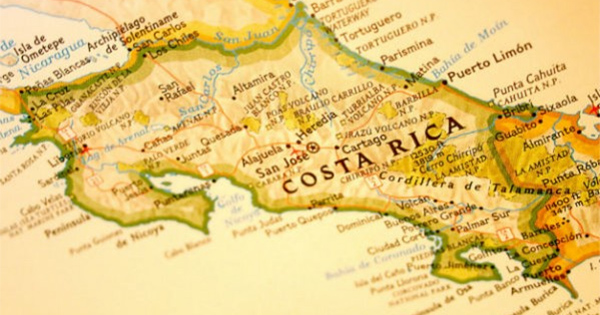
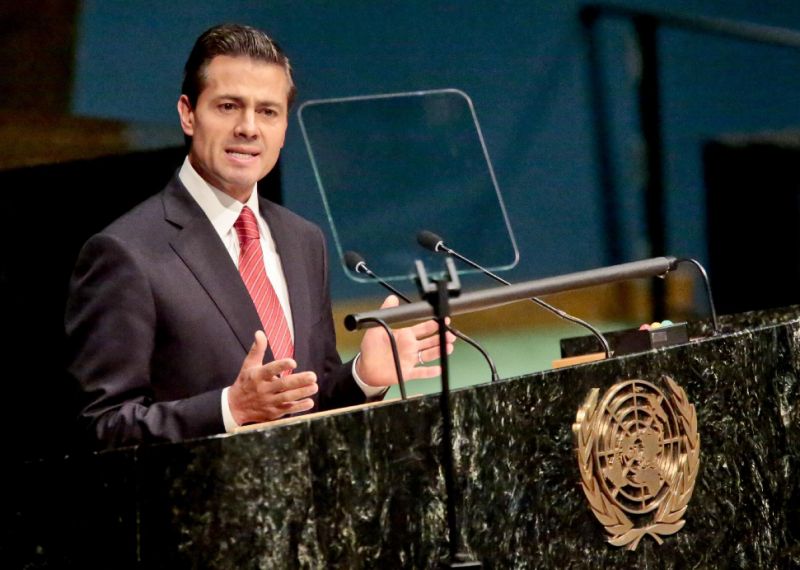
A bill that has been under consideration by the Costa Rican Legislative Assembly since 2014 has garnered the necessary support to proceed to a plenary session on May 1, according to Representative Marvin Delgado Atencio, who introduced the bill.
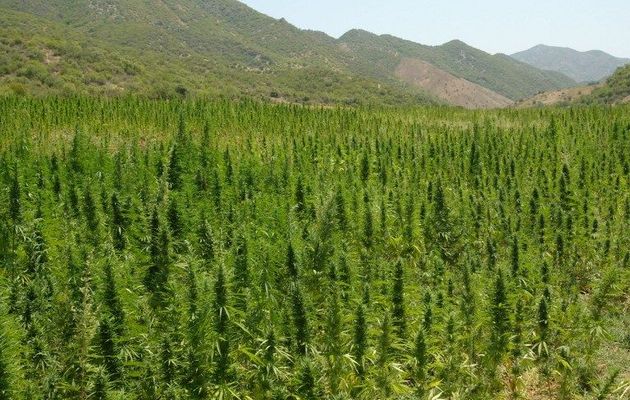
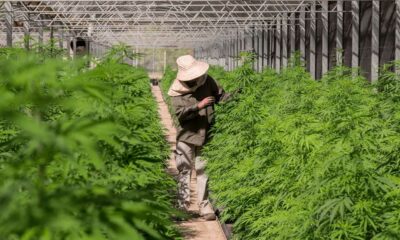
This draft bill, which has been approved by all the caucuses, aims to legalize and regulate the cultivation of cannabis for medical purposes and the production of tablets, suppositories, ointments, sprays, patches, and other topical treatments.
The law would establish a research institute under the Ministry of Health, which would be responsible for conducting studies and issuing licenses and permits to growers and manufacturers. The institute would also be responsible for issuing prescription cards to consumers.
Atencio said in 2014 that medical cannabis products could be a significant source of revenue, estimating that they could generate $20 million a year for the state. «The bill includes concessions, licenses, permits, and a 7% tax,» according to Atencio.
Costa Rica’s Social Security and Public Health Administration, known as the CCSS or «La Caja,» has even expressed its support for this bill and could provide cannabis and cannabis-derived medications free of charge to patients who need them.
The bill does not aim to regulate the recreational use of cannabis because «it is already permitted under Costa Rican law,» according to Congressman Jose Alberto Alfaro, and the purpose of this law is not to promote recreational use, Atencio emphasizes.
Is recreational cannabis use really legal in Costa Rica?
Law 8204 (Narcotics Law), enacted in Costa Rica in 2001, improves and clarifies the existing legislation contained in the 1988 Drug Law (Law 7093), and specifically decriminalizes personal use of all controlled substances (although they may be confiscated and the user may be offered medical treatment). However, the law does not define what constitutes «personal use,» leaving this determination to the discretion of law enforcement and the courts.
Meanwhile, while the law clearly states that the sale or distribution of controlled substances is a crime, the legislation is inconsistent when it comes to production (or cultivation, in the case of cannabis).
Under one interpretation of the law, the cultivation or production of controlled substances is explicitly a crime, even for personal use and in small quantities.
And under a more recent interpretation, highlighted by the acquittal in January of Judge Mario Alberto Cerdas—who faced up to 24 years in prison after being arrested multiple times for growing cannabis on the roof of his home— it was determined that Cerdas should be acquitted because there was insufficient evidence to establish that he intended to sell or distribute the substances.
One of the judges, in an effort to clarify the ruling, stated that although growing cannabis is illegal, no criminal charges will be brought if there is no proven intent to sell or distribute it.








Newsweed Launches Its Own AI
A new tax of 0.5% could disrupt the hemp industry in Canada

Medical Cannabis and Driving: New South Wales Ends Automatic Penalties for THC

China's Yongji Health Takes Control of Tasmanian Botanics

Autism and Cannabis: Results from the First Placebo-Controlled Trial of NTI164

Which countries legalized medical cannabis before France?

From the boom in dispensaries to a purely medical approach: Thailand is revising its cannabis policy

South Korea is preparing to begin local production of medical cannabis to meet rising demand

In the United States, cannabis use among high school students has reached an all-time low

Medical cannabis use surges by 64 % in Denmark
-
 Cannabis and driving3 weeks ago
Cannabis and CBD: French Drivers Can Now Lose Their License Even Without a Positive Test Result
-

 Cannabis in France3 days ago
Which countries legalized medical cannabis before France?
-
Cannabis in France3 weeks ago
Cannabis Legalization: The LFI Bill Has a Major Problem—THC
-
Cannabis in the Netherlands2 weeks ago
One year after the launch of the Dutch cannabis experiment, the first trends are emerging
-
Business4 days ago
South Korea is preparing to begin local production of medical cannabis to meet rising demand
-
Cannabis in Argentina1 week ago
Argentina Opens Its Market to Hemp Flowers Containing 1% of THC
-
Cannabis in France2 weeks ago
French medical cannabis remains stalled at the Ministry of Health
-
Cannabis in Thailand3 days ago
From the boom in dispensaries to a purely medical approach: Thailand is revising its cannabis policy











You must be logged in to post a comment Login