A new device to detect driving under the influence of cannabis?

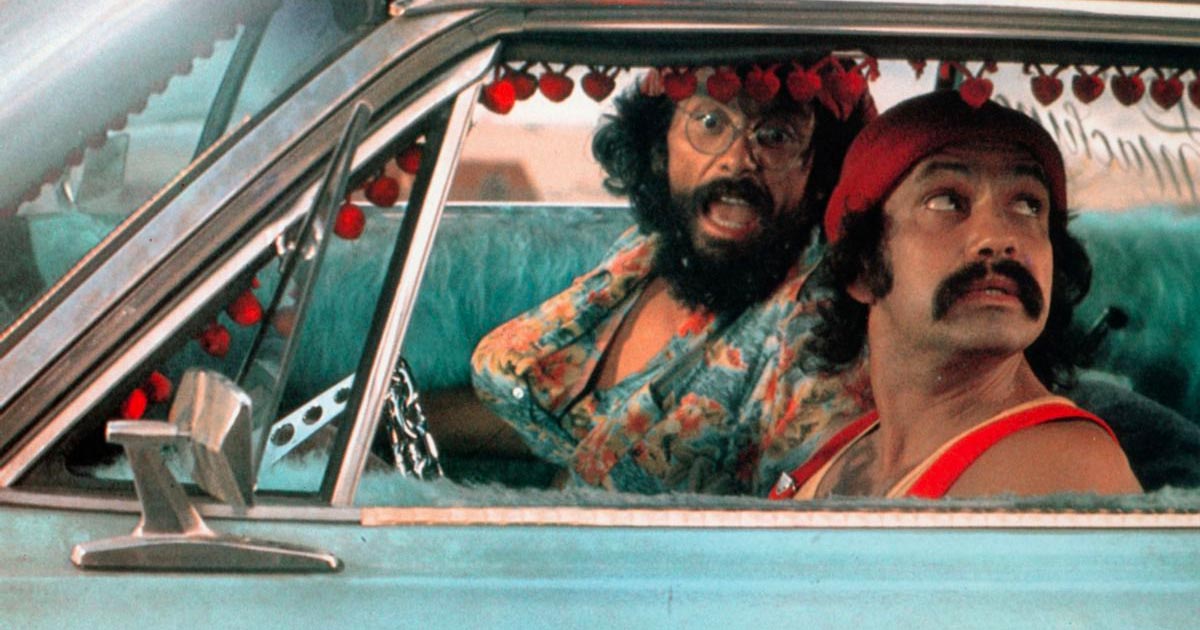
The presence of THC in a driver's saliva does not necessarily imply driving under the influence. THC is detectable in saliva several days after consumption, and therefore a long time after its effects have worn off.
In France, a test is positive at 0.1ng THC / mL blood, the equivalent of a very small dose. To avoid false positives, Canada, where cannabis is legal, has raised the detection threshold to 0.5 ng of THC per milliliter of blood. Raising the threshold does not solve the problem, however, as the ineffectiveness of saliva or blood testing is widely criticized, even in French studies.
However, Boston researchers claim to have developed a new, non-invasive technique for detecting’cannabis-induced euphoria, which differentiates between people who are truly impaired by cannabis and those who have simply used it recently.
Researchers at Massachusetts General Hospital (MGH) have discarded the old methods, which attempt to deduce functional impairment from the amount of THC in a person's blood or saliva, in favor of a more direct approach: light imaging, which allows the brain itself to be observed.
Although further development and validation of this technology is required, the team behind this work hopes that it could lead to a roadside device that would enable police to punish drivers who are unable to drive without prejudicing law-abiding cannabis users and patients under medical treatment who have THC in their system but are not intoxicated.
To be stoned, or not to be, that is the question
In their study, published in January in Neuropsychopharmacology, The MGH researchers first measured oxygenated hemoglobin levels in the brains of 169 sober volunteers using functional near-infrared spectroscopy, or fNIRS.
Unlike conventional MRI equipment, fNIRS spectroscopy measures the reflection of photons by low-power LED bulbs mounted on a skullcap and projected into the skull. Similar technology is already widely used in smartwatches and other fitness gadgets to measure heart rate and blood oxygenation.
After giving some of their volunteers capsules of THC and others a placebo, the MGH team classified each person as intoxicated or not based on self-reports from the study subjects and the consensus of several clinicians who didn't know which subjects had eaten the «real» edible and who had made extensive observations of their behavior before and after.
The researchers then performed a second series of brain scans and found that those classified as impaired had significantly higher levels of oxygenated hemoglobin than subjects who had eaten the placebo or had not been overstimulated by the THC-infused edible product.
«Essentially, the [weakened] brain becomes more active, but less efficient at processing, so the body prioritizes it and sends it more oxygen,» said Dr. A. Eden Evins, who directs the MGH Center for Addiction Medicine who helped supervise the research.
Next, the scientists trained a computer algorithm to spot differences in oxygenated hemoglobin between those deemed high-risk and those who weren't. Subsequently, by analyzing only the «after» scans, the software gave false positives in only 10 % of subjects and correctly determined who was intoxicated in 76 % of cases, a significant improvement on existing techniques and a figure the researchers believe can be substantially increased with further refinement.
The system also rarely indicated a deficiency in subjects who had consumed edibles to THC, but who were not considered functionally impaired. This puts it far ahead of the old methods which automatically designate anyone with a sufficiently high level of cannabis metabolites in their system as functionally impaired, regardless of their actual functioning.























«Vincy Gold»: Humboldt Seed Company on the Hunt for Saint Vincent Sativas

Cronos Completes the Acquisition of CanAdelaar for 57.5 million euros

Cannabis with a "bloody" twist: Discover Sensi True Blood and Sensi Sangria, the two new strains from Sensi Seeds

Hemp: The Council of the EU Takes a Stand on New Production and Marketing Rules

Missouri's legal cannabis market accounts for 93 % of consumer spending

THC Gummies: How to Read a Certificate of Analysis Before Buying

British patients now have access to THCV-rich cannabis flowers

Spain: Medical Cannabis Is Coming to About 50 Hospitals

JIHE 2026: Japan’s Largest Trade Show Dedicated to Hemp and CBD Returns to Tokyo with More Than 100 Industry Players

New Caledonia: The Courts Clear the Way for the Return of CBD
-
 Business3 weeks ago
The legal cannabis market in New York exceeds 4 billion $ in revenue
-

 Cannabis in France4 weeks ago
Which countries legalized medical cannabis before France?
-
Cannabis in France1 week ago
France already has 3,000 cannabis retail outlets. None of them are legal.
-
Cannabis in the U.S.1 week ago
A DEA report confirms that there are no fatal cannabis overdoses
-
Cannabis in Thailand4 weeks ago
From the boom in dispensaries to a purely medical approach: Thailand is revising its cannabis policy
-
Cannabis and driving4 weeks ago
Medical Cannabis and Driving: New South Wales Ends Automatic Penalties for THC
-
Cannabis in France3 weeks ago
France’s Drug Policy Chief Defends Cannabis Prohibition... and Runs Into the Facts
-
Studies on cannabis2 weeks ago
Cannabis Oil and Endometriosis: A Promising Study for Pain Relief
















You must be logged in to post a comment Login