10 years of cannabis legalization in Colorado: what has been achieved?

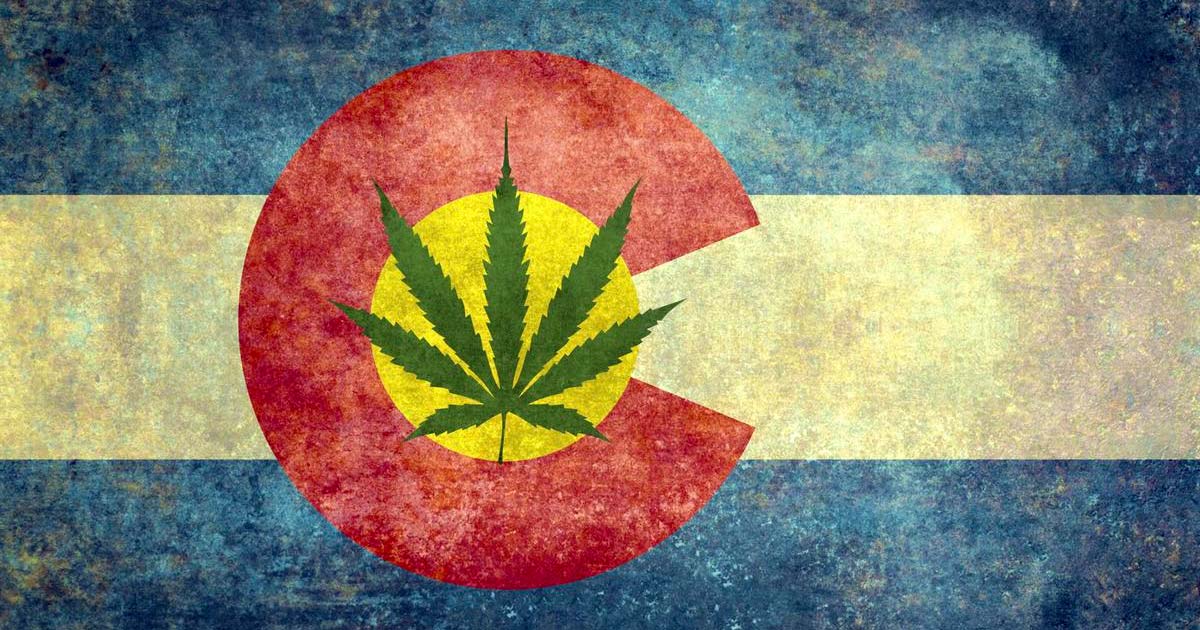
Colorado and Washington made history ten years ago, on November 6, 2012, when they became the first jurisdictions in the world to legalize the possession and sale of cannabis for adults, Washington with a measure called Initiative 502, and Colorado with a measure called Amendment 64.
Since the legalization of cannabis spread to the American states from coast to coast, and from Canada to Uruguay. With this week's vote and legalization in Maryland and Missouri, cannabis is now legal in nearly half the country.
10 years of legalization
Ten years ago, Colorado and Washington voters were asked to vote for the legalization of adult-use cannabis, with a relatively simple message.
In Colorado, the Campaign to Regulate Marijuana Like Alcohol made the argument that cannabis is safer than alcohol. And in Washington State, the New Approach explained that legalization was not a panacea, but that the advantages outweighed the disadvantages, and that the disadvantages of prohibition were far more harmful.
Both campaigns also promised to take money from illegal operators and put it back into state budgets, to take a product that people were already using and regulate it while ending arrests of those users, and that youth use and cannabis-impaired traffic accidents would not increase.
The data suggest that, on the whole, this is what happened.
10 years of figures
Legal sales began in both states in 2014. Washington State imposes an excise tax of 37 %, while Colorado applies three taxes: the state sales tax of 2.9 % on retail sales, the cannabis tax of 15 % on retail sales and the cannabis tax of 15 % on wholesale sales, not including local taxes.
In 10 years, the state of Colorado has collected $2.27 billion in taxes. The state now has around 670 stores and 1,200 growers and processors. The majority of taxes go into the «Marijuana Tax Cash Fund», with mandatory funding for schools. In 2020-2021, the Colorado Department of Education received $175 million from cannabis revenues and $619.9 million over 10 years.
The funds were allocated to a variety of programs, including bullying prevention, school dropout prevention and scholarships to encourage children to start school and read.
By the end of 2021, Washington State had collected $2.37 billion in taxes, with more than half of that going to healthcare. The state now boasts 484 cannabis stores and 1,300 growers and processors.
In both states, the taxes collected also fund the cannabis regulation program.
Driving and teenagers
The definitive conclusion has yet to be determined. Current testing methods can only identify that a person has consumed cannabis, but not when or how much.
As a result, a person who has an accident and has cannabis in his or her system may have consumed it several days previously. Furthermore, there is no national standard for driving under the influence of cannabis, as there is for alcohol. And there is no research-based consensus on exactly how cannabis affects drivers.
A study Reminds us that road accidents have increased since legalization in Colorado, but not in Washington State. Differences in the way regulation was implemented, such as the density of cannabis stores, out-of-state cannabis tourism or local factors may explain the different results.
For teenage use, the each state's main youth surveys show a downward trend in past-month cannabis use among middle and high school students.
New political support
Washington State Governor Jay Inslee did not support the legalization campaign in 2012, when he was running for governor, but called for federal legalization when he ran for president in 2020.
And former Colorado governor and current U.S. Senator John Hickenlooper, who opposed the legalization measure in 2012, said this at an anniversary event last month:
«There was a fear that legalization would lead teenagers to think it wasn't so bad, and they'd start using more and experimenting more. And one of the great things Colorado has is a health survey, Healthy Kids Colorado - there are now over 40,000 participants. But I regularly go to the U.S. Senate and say, «We can prove that since we legalized marijuana, there's been no increase in teen experimentation. No increase in use. No increase in driving under the influence.
Again this week, he announced that it would present the PREPARE law (Preparing Regulators Effectively for a Post-Prohibition Adult Use Regulated Environment). The ad featured Colorado as a success story, and its headline read, «Ten years after Colorado legalization, Hickenlooper bill paves way for federal cannabis legalization.».


















The Brazilian medical cannabis market continues to grow

Morocco: Three Cannabis-Based Medications Approved for the Treatment of Epilepsy

Canopy Growth Receives New EU-GMP Certification to Strengthen Its Presence in Europe

Three years after legalizing medical cannabis, Albania continues to establish regulations for it

The first plant-based medical THC spray arrives in the United Kingdom

Medical Cannabis in Germany: THC Prices Vary by a Factor of 12

France already has 3,000 cannabis retail outlets. None of them are legal.

Morocco's exports of legal cannabis have expanded to 15 countries

Aurora Cannabis Doubles Its Production Capacity in Germany

Tilray is accelerating its operations in Europe thanks to a license in Portugal
-
 Business2 weeks ago
The legal cannabis market in New York exceeds 4 billion $ in revenue
-

 Cannabis in France4 weeks ago
Which countries legalized medical cannabis before France?
-
Business4 weeks ago
South Korea is preparing to begin local production of medical cannabis to meet rising demand
-
Cannabis in France4 days ago
France already has 3,000 cannabis retail outlets. None of them are legal.
-
Cannabis in Thailand4 weeks ago
From the boom in dispensaries to a purely medical approach: Thailand is revising its cannabis policy
-
Cannabis in the U.S.5 days ago
A DEA report confirms that there are no fatal cannabis overdoses
-
Cannabis and driving3 weeks ago
Medical Cannabis and Driving: New South Wales Ends Automatic Penalties for THC
-
Cannabis in France3 weeks ago
France’s Drug Policy Chief Defends Cannabis Prohibition... and Runs Into the Facts
















You must be logged in to post a comment Login