Cannabis use does not impair driving performance, according to a study funded by the State of California


Scientists at the University of San Diego, California, have published a study according to which being under the influence of cannabis is not associated with poor driving performance.
Published May 26, the study was funded by the State of California and involved specially trained law enforcement officers.
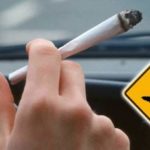
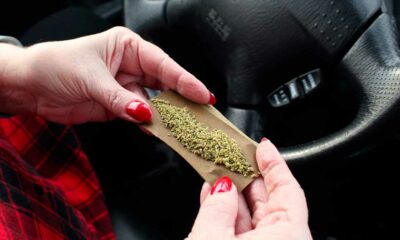
After consuming cannabis via a « marijuana cigarette »"containing 5.9 mg of THC or 13.4 mg of THC, or a placebo, the 191 participants assessed their ability to drive using a driving simulator and a real car, and were also subjected to standardized field sobriety tests (FSTs) by specially trained police officers.
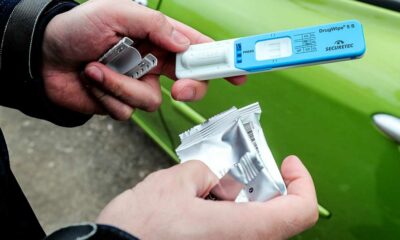
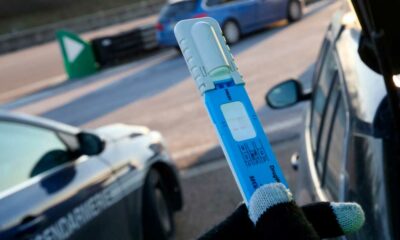
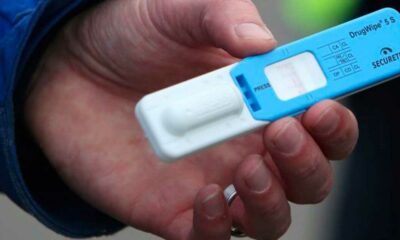
Saliva samples were collected at the same time the driving was evaluated, including the ability to stay straight, over a period of 5 hours.
Although the sobriety tests conducted by police officers correctly identified participants in the cannabis control group in 81% of cases, they also incorrectly identified 49% of the placebo group participants as being intoxicated, suggesting a lack of reliability in the tests performed by the police. The officers conducted several tests, including walking and turning, a Romberg test, and standing on one leg and touching the nose with a finger.
The analysis performed by researchers on oral swabs, blood samples, and breath of participants after using the car and the simulator revealed no link between sub-standard driving and cannabis consumption.
Researchers stated in their study: «In the largest trial to date involving experienced cannabis smokers, there was no correlation between THC (and related metabolites/cannabinoids) in blood, oral fluid, or breath and driving performance. The complete absence of a relationship between the concentration of the centrally active component of cannabis in blood, saliva, and breath is strong evidence against the use of laws per se for cannabis.
These results are consistent with a recent meta-analysis according to which THC concentrations are «relatively poor indicators of cannabis-induced impairment.».
















«Vincy Gold»: Humboldt Seed Company on the Hunt for Saint Vincent Sativas

Cronos Completes the Acquisition of CanAdelaar for 57.5 million euros

Cannabis with a "bloody" twist: Discover Sensi True Blood and Sensi Sangria, the two new strains from Sensi Seeds

Hemp: The Council of the EU Takes a Stand on New Production and Marketing Rules

Missouri's legal cannabis market accounts for 93 % of consumer spending

THC Gummies: How to Read a Certificate of Analysis Before Buying

British patients now have access to THCV-rich cannabis flowers

Spain: Medical Cannabis Is Coming to About 50 Hospitals

JIHE 2026: Japan’s Largest Trade Show Dedicated to Hemp and CBD Returns to Tokyo with More Than 100 Industry Players

New Caledonia: The Courts Clear the Way for the Return of CBD
-
 Business3 weeks ago
The legal cannabis market in New York exceeds 4 billion $ in revenue
-

 Cannabis in France4 weeks ago
Which countries legalized medical cannabis before France?
-
Cannabis in France1 week ago
France already has 3,000 cannabis retail outlets. None of them are legal.
-
Cannabis in the U.S.1 week ago
A DEA report confirms that there are no fatal cannabis overdoses
-
Cannabis and driving4 weeks ago
Medical Cannabis and Driving: New South Wales Ends Automatic Penalties for THC
-
Cannabis in France3 weeks ago
France’s Drug Policy Chief Defends Cannabis Prohibition... and Runs Into the Facts
-
Studies on cannabis2 weeks ago
Cannabis Oil and Endometriosis: A Promising Study for Pain Relief
-
CBD2 weeks ago
In Brazil, researchers are developing an innovative CBD eye drop













You must be logged in to post a comment Login