A new cannabinoid discovered: cannabielsoxa

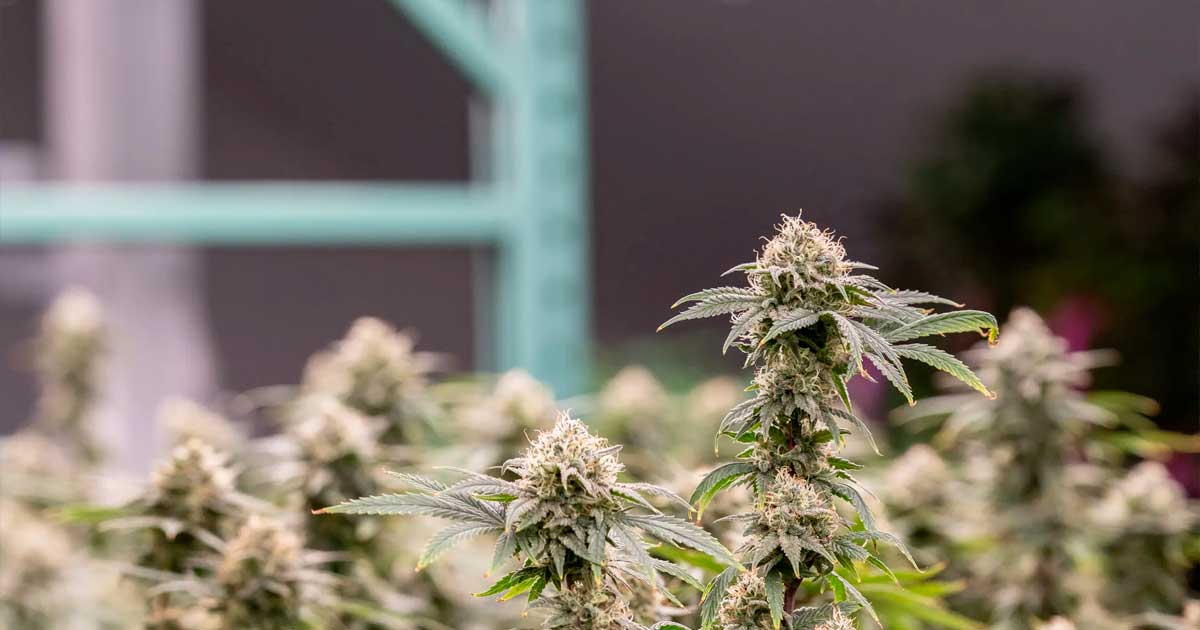
A team of South Korean researchers discovered a cannabinoid previously unknown, the cannabielsoxa, The company was looking for plant compounds with anti-cancer properties.
Published in Pharmaceuticals, This study represents a promising step forward in the ongoing search for ways in which Cannabis compounds can contribute to the treatment of Alzheimer's disease. cancer treatment, especially in children.
A new compound from cannabis flowers
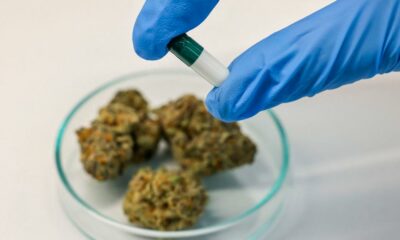
This research, carried out by scientists from the’Wonkwang University, from Korean Ministry of Food and Drug Safety and several other institutions, mark the initial insulation from cannabielsoxa. In addition to this new compound, the researchers also extracted ten other molecules, including six known cannabinoids and two chlorine compounds previously unknown.
A total of eleven substances were isolated from cannabis flowers. These included familiar names such as’cannabidiolic acid (CBDA), thecannabidiolic acid methyl ester (CBDA-ME), the cannabidiol (CBD), the delta-8-tetrahydrocannabinol (delta-8 THC) and the cannabichromene (CBC). While the newly identified cannabielsoxa did not show significant activity against cancer cells in this study, several of the known cannabinoids did exhibit antitumor effects.
Targeting neuroblastoma cells with cannabinoids
These compounds were tested for their efficacy in inhibiting neuroblastoma, a type of cancer that accounts for approximately 6 % of all childhood cancers. The researchers noted that seven of the eleven compounds significantly inhibited neuroblastoma cell growth. The most effective of these were the well-known cannabinoids, in particular CBD and CBDA, which are already present in abundance in many cannabis varieties.
As the researchers wrote in their publication «Cannabinoid compounds had more potent inhibitory effects on neuroblastoma cells than chlorine-type compounds.»
This discovery reinforces the hypothesis that some cannabis-derived compounds could play a role in pediatric oncology, particularly in the treatment of difficult-to-treat cancers such as neuroblastoma.
At the beginning of the year, a exhaustive meta-analysis published in Frontiers in Oncology reviewed over 10,000 peer-reviewed studies, more than ten times the number used in previous analyses. Conducted by Ryan Castle and his team at Whole Health Oncology Institutee, this study concluded that the medical community had reached an «overwhelming scientific consensus» on the benefits of cannabis in the management of cancer-related symptoms.
Castle noted, «For every study that showed cannabis was ineffective, three more showed it was effective.»
According to the institute, this 3:1 ratio of positive results is comparable to, or even higher than, the success rate of many FDA-approved drugs, reinforcing the relevance of cannabinoid-based therapies in modern medicine.

















JIHE 2026: Japan’s Largest Trade Show Dedicated to Hemp and CBD Returns to Tokyo with More Than 100 Industry Players
New Caledonia: The Courts Clear the Way for the Return of CBD

The Brazilian medical cannabis market continues to grow

Morocco: Three Cannabis-Based Medications Approved for the Treatment of Epilepsy

Canopy Growth Receives New EU-GMP Certification to Strengthen Its Presence in Europe

Three years after legalizing medical cannabis, Albania continues to establish regulations for it

The first plant-based medical THC spray arrives in the United Kingdom

Medical Cannabis in Germany: THC Prices Vary by a Factor of 12

France already has 3,000 cannabis retail outlets. None of them are legal.

Morocco's exports of legal cannabis have expanded to 15 countries
-
 Business2 weeks ago
The legal cannabis market in New York exceeds 4 billion $ in revenue
-

 Cannabis in France4 weeks ago
Which countries legalized medical cannabis before France?
-
Business4 weeks ago
South Korea is preparing to begin local production of medical cannabis to meet rising demand
-
Cannabis in France4 days ago
France already has 3,000 cannabis retail outlets. None of them are legal.
-
Cannabis in Thailand4 weeks ago
From the boom in dispensaries to a purely medical approach: Thailand is revising its cannabis policy
-
Cannabis in the U.S.5 days ago
A DEA report confirms that there are no fatal cannabis overdoses
-
Cannabis and driving3 weeks ago
Medical Cannabis and Driving: New South Wales Ends Automatic Penalties for THC
-
Cannabis in France3 weeks ago
France’s Drug Policy Chief Defends Cannabis Prohibition... and Runs Into the Facts
















You must be logged in to post a comment Login