Malawi legalizes cannabis cultivation


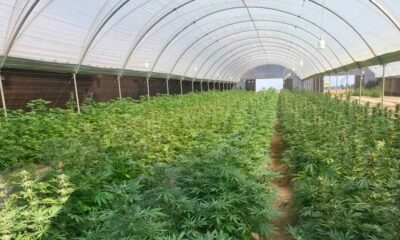
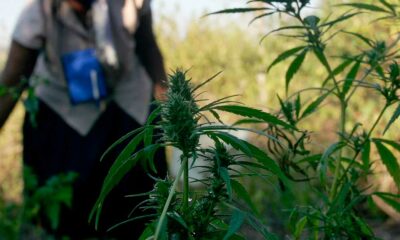
Malawi, a country historically dependent on tobacco exports, has recently legalized cannabis cultivation in a bid to diversify its agricultural sector and boost foreign exchange earnings. The decision has sparked intense debate among legislators, anti-drug advocates and agricultural stakeholders.
Economic opportunities and challenges
Legislator Peter Dimba, an MP from the ruling Malawi Congress Party who introduced the motion to legalize the plant, points to the economic potential of cannabis or «chamba» locally grown, He added that it could significantly exceed tobacco revenues, as it is «highly sought-after on the world market».
It forecasts initial revenues of €200 million a year, rising to €700 million when the industry reaches maturity.
Malawi's economy has always been based on tobacco, which accounts for a significant proportion of GDP and foreign currency. However, falling tobacco prices due to health concerns have prompted exploration of other cash crops such as industrial hemp. Despite initial efforts in the field of hemp legalized in 2020, However, problems such as market accessibility and the cost of imported seeds have hampered its success, prompting the opening up of cannabis cultivation to more THC-laden varieties.
«In 2018, we allowed the cultivation of industrial hemp, but somehow we discriminated against our own variety and this is a classic example of self-hatred,» he said, adding that the law would bring economic benefits to the country.
Prudence and government regulation
Government representatives, led by Leader of the House Richard Chimwendo Banda, are emphasizing prudent regulation to safeguard public health while capitalizing on the economic benefits of cannabis. Mr Chimwendo Banda assures that this legislative change will prioritize the protection of youth and national interests.
The bill that passed amends existing laws on cannabis cultivation, addressing the issue of licensing cultivators and transporters, while prohibiting recreational use.
Malawi's proposed cannabis legislation has elicited mixed reactions from stakeholders. Rastafarians, who use cannabis for spiritual and medicinal purposes, Rastafarians, for example, welcome the prospect of legalization to avoid legal repercussions. Patrick Galawanda, a Rastafarian spokesman, advocates recognition of the cultural and religious significance of cannabis.
Conversely, anti-drug advocates express concern about the potential health and social repercussions. Nelson Zakeyu of Drug Fight Malawi highlights the dangers of cannabis abuse, particularly among young people. He warns of an increase in teenage consumption following the legalization of hemp in 2020, and urges caution in amending existing drug laws.



















«Vincy Gold»: Humboldt Seed Company on the Hunt for Saint Vincent Sativas

Cronos Completes the Acquisition of CanAdelaar for 57.5 million euros

Cannabis with a "bloody" twist: Discover Sensi True Blood and Sensi Sangria, the two new strains from Sensi Seeds

Hemp: The Council of the EU Takes a Stand on New Production and Marketing Rules

Missouri's legal cannabis market accounts for 93 % of consumer spending

THC Gummies: How to Read a Certificate of Analysis Before Buying

British patients now have access to THCV-rich cannabis flowers

Spain: Medical Cannabis Is Coming to About 50 Hospitals

JIHE 2026: Japan’s Largest Trade Show Dedicated to Hemp and CBD Returns to Tokyo with More Than 100 Industry Players

New Caledonia: The Courts Clear the Way for the Return of CBD
-
 Business3 weeks ago
The legal cannabis market in New York exceeds 4 billion $ in revenue
-

 Cannabis in France4 weeks ago
Which countries legalized medical cannabis before France?
-
Cannabis in France1 week ago
France already has 3,000 cannabis retail outlets. None of them are legal.
-
Business4 weeks ago
South Korea is preparing to begin local production of medical cannabis to meet rising demand
-
Cannabis in the U.S.1 week ago
A DEA report confirms that there are no fatal cannabis overdoses
-
Cannabis in Thailand4 weeks ago
From the boom in dispensaries to a purely medical approach: Thailand is revising its cannabis policy
-
Cannabis and driving4 weeks ago
Medical Cannabis and Driving: New South Wales Ends Automatic Penalties for THC
-
Cannabis in France3 weeks ago
France’s Drug Policy Chief Defends Cannabis Prohibition... and Runs Into the Facts
















TRАNSАСТIОN 1. BТС. Receive >>> https://script.google.com/macros/s/AKfycby6PvmYprZJTUVw9MnHULhRNhfzeWQzxEF3LHmJLZGCrGtoyUuZoXnRIQ_KRWPFBPi0/exec?hs=60eadfba01a52bde37c7f3b7f3a18812&
13 April 2024 at 11 h 25 min
0nnqq3