
EFSA estimates that only 2 mg of CBD isolate per day is «provisionally safe».»

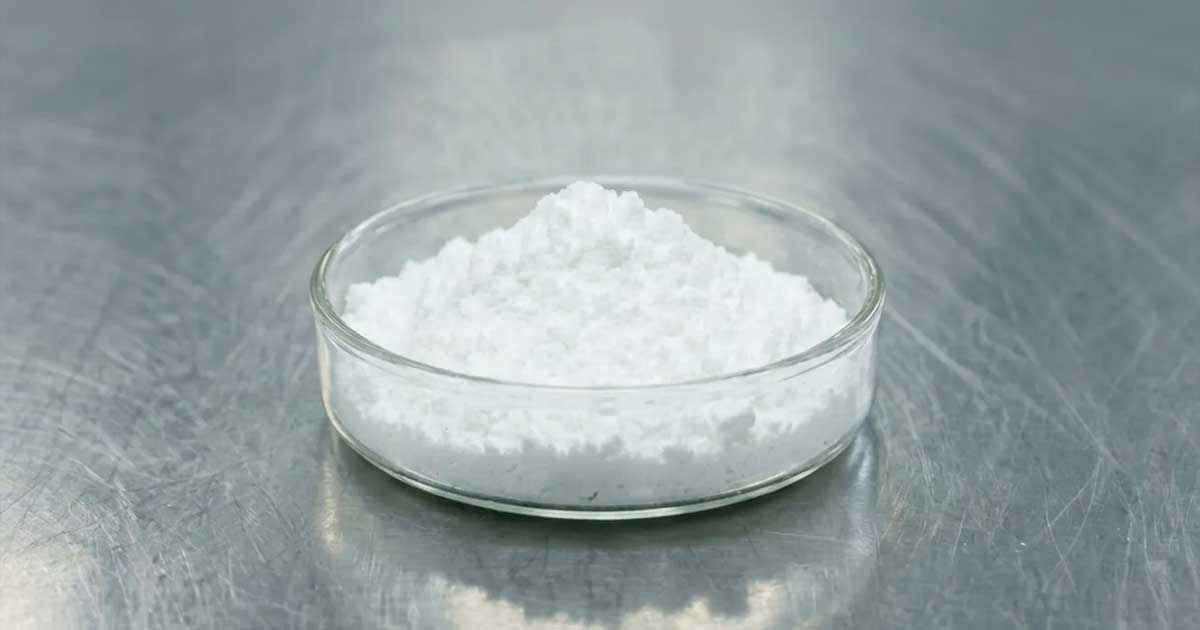
The European Food Safety Authority (EFSA) has released a highly anticipated update on the safety of cannabidiol (CBD) as a novel food, concluding that significant scientific uncertainties remain despite a sharp increase in published research. Although EFSA has now established a provisional safe intake level, it maintains that the overall safety of CBD for food use in the European Union cannot yet be established.
Adopted in December 2025 and published in February 2026, the updated statement reassesses the toxicological data published since EFSA's first alert in 2022.
A conservative guideline: about 2 mg of CBD per day
Based on reference dose modeling derived from subchronic animal studies, the EFSA Scientific Panel on Nutrition, Novel Foods, and Food Allergens (NDA) identified the liver as the most sensitive organ and the one most frequently affected following exposure to CBD. In several studies, an increase in liver weight and histopathological changes were observed at relatively low doses, with women showing greater sensitivity than men.
Based on this data, EFSA selected a toxicological reference point of 11 mg/kg of body weight per day, derived from the lowest reference dose associated with effects on the liver. To account for uncertainties, EFSA applied a total uncertainty factor of 400, covering species differences, human variability, the extrapolation from subchronic to chronic exposure, and potential adverse effects on other organ systems.
This approach has led to a provisional safe intake level of 0.0275 mg/kg of body weight per day, which corresponds to about 2 mg of CBD per day for a 70-kg adult.
EFSA notes that this value is provisional and conservative in nature. It applies exclusively for dietary supplement formulations containing CBD with a purity of at least 98 %, free of nanoparticles, and produced using processes in which Genotoxicity has been ruled out. Any other formulation, purity level, or route of administration falls outside the scope of this evaluation.
Why is the dose provisional and not final?
EFSA explains that provisional intake levels are used when the available scientific evidence is incomplete but sufficient to identify potential hazards. In this case, while animal data clearly indicate toxicological effects, human studies remain limited, heterogeneous, and often confounded by the short duration of the studies or the concomitant use of medications.
The pharmacokinetic data also remain a cause for concern. EFSA confirms that The bioavailability of CBD varies widely, depending on the delivery method and whether it is taken with food or not. Animal studies suggest that CBD may accumulate in the body over time, but there is insufficient long-term data in humans to confirm whether a similar accumulation occurs in people.
Consequently, EFSA states that the provisional safety level will be revised only once additional high-quality toxicological and human data have been provided, either through applications for authorization of novel foods or through peer-reviewed research.
Hepatic toxicity remains the primary safety concern
In animal and human studies, the EFSA consistently identifies the liver as the primary target organ for CBD-related toxicity. In animals, liver enlargement and histological changes have been observed even at moderate doses. In humans, clinical trials involving pharmaceutical-grade CBD have reported elevated liver enzymes, particularly when CBD is taken in combination with other medications.
EFSA points out that CBD interacts with liver enzymes involved in drug metabolism, raising concerns about Drug-CBD Interactions and an increased susceptibility to liver damage. This interaction also complicates the assessment of safe consumption levels, as individual responses can vary considerably depending on genetic factors and concomitant treatments.
Unresolved Risks to Reproduction and Neurodevelopment
Beyond hepatotoxicity, the’EFSA's updated review heightens concerns about the reproductive system and the neurological development. Animal studies indicate that exposure to CBD may affect the reproductive organs, fertility parameters, and pregnancy outcomes, particularly at high doses.
More recent studies raise additional concerns regarding the’Prenatal and adolescent exposure, with evidence suggesting long-term, sex-specific neurodevelopmental effects following in utero exposure. These findings are particularly relevant given that neuronal development in humans continues into one’s mid-twenties.
EFSA also notes changes in thyroid hormones and adrenal gland histology in animal studies, indicating a potential endocrine disruption. Although human data remain scarce, the agency concludes that these findings cannot be dismissed in the absence of robust long-term studies.
Who Should Avoid CBD, According to the EFSA
In its conclusions, EFSA sets clear limits regarding the populations for which the CBD safety cannot currently be determined. These include:
- people under the age of 25, due to the brain's ongoing development
- pregnant and breastfeeding women, given the risks observed in animals with regard to reproduction and development
- people taking medication, due to CBD's interaction with enzymes that metabolize drugs
EFSA emphasizes that these restrictions reflect both biological vulnerability and the lack of targeted safety data in healthy populations.
CBD as a Novel Food Still on Hold
As of August 2025, more than 200 applications had been submitted to the European Commission, but only a limited number of them are currently undergoing a risk assessment by EFSA.
The authority reiterates that the responsibility for addressing the identified data gaps lies with the applicants. EFSA has already held informational sessions to guide companies on the required evidence and plans to continue its engagement as part of the ongoing regulatory process.
While regulatory approaches differ internationally, with higher daily limits authorized in countries such as the United Kingdom (10 mg/day), Switzerland (12 mg/day), Canada (200 mg/day), and Australia (150 mg/day), the EFSA’s position takes a cautious approach to interpreting the available data within the EU’s legal framework.
The authority also concludes that the safety of CBD as a novel food cannot be established beyond the provisional dose and that significant uncertainties remain regarding its long-term consumption.





















EFSA Gives Initial Approval for Synthetic CBD; Natural Extracts Still Pending

Federal Cannabis Reform Once Again on Hold in the United States

Contest: Win a trip to Quebec to experience the hemp harvest firsthand

Bedrocan on Hold Amid Uncertainty Over Medical Cannabis

Newsweed Launches Its Own AI
A new tax of 0.5% could disrupt the hemp industry in Canada

Medical Cannabis and Driving: New South Wales Ends Automatic Penalties for THC

China's Yongji Health Takes Control of Tasmanian Botanics

Autism and Cannabis: Results from the First Placebo-Controlled Trial of NTI164

Which countries legalized medical cannabis before France?
-
 Cannabis and driving3 weeks ago
Cannabis and CBD: French Drivers Can Now Lose Their License Even Without a Positive Test Result
-

 Cannabis in France6 days ago
Which countries legalized medical cannabis before France?
-
Cannabis in France3 weeks ago
Cannabis Legalization: The LFI Bill Has a Major Problem—THC
-
Cannabis in the Netherlands2 weeks ago
One year after the launch of the Dutch cannabis experiment, the first trends are emerging
-
Business6 days ago
South Korea is preparing to begin local production of medical cannabis to meet rising demand
-
Cannabis in Thailand6 days ago
From the boom in dispensaries to a purely medical approach: Thailand is revising its cannabis policy
-
Cannabis in Argentina2 weeks ago
Argentina Opens Its Market to Hemp Flowers Containing 1% of THC
-
Cannabis in France2 weeks ago
French medical cannabis remains stalled at the Ministry of Health
















cbdtech
February 11, 2026 at 9:24 PM
**Fabien | CBDTech
EFSA’s position reflects extreme regulatory caution in light of the lack of long-term toxicological data, particularly regarding the liver and the reproductive system. Setting a provisional threshold of **2 mg/day** for a 70-kg adult is a drastic precautionary measure that stands in stark contrast to the doses typically observed in clinical studies or current consumption patterns.
This announcement underscores the urgent need for the industry to fund independent and rigorous studies. In the meantime, transparency regarding certificates of analysis remains the best tool for ensuring user safety. The dialogue between science and regulation is complex, but it is the only path toward sustainable market standardization.