The German government wants to raise the THC limit for driving

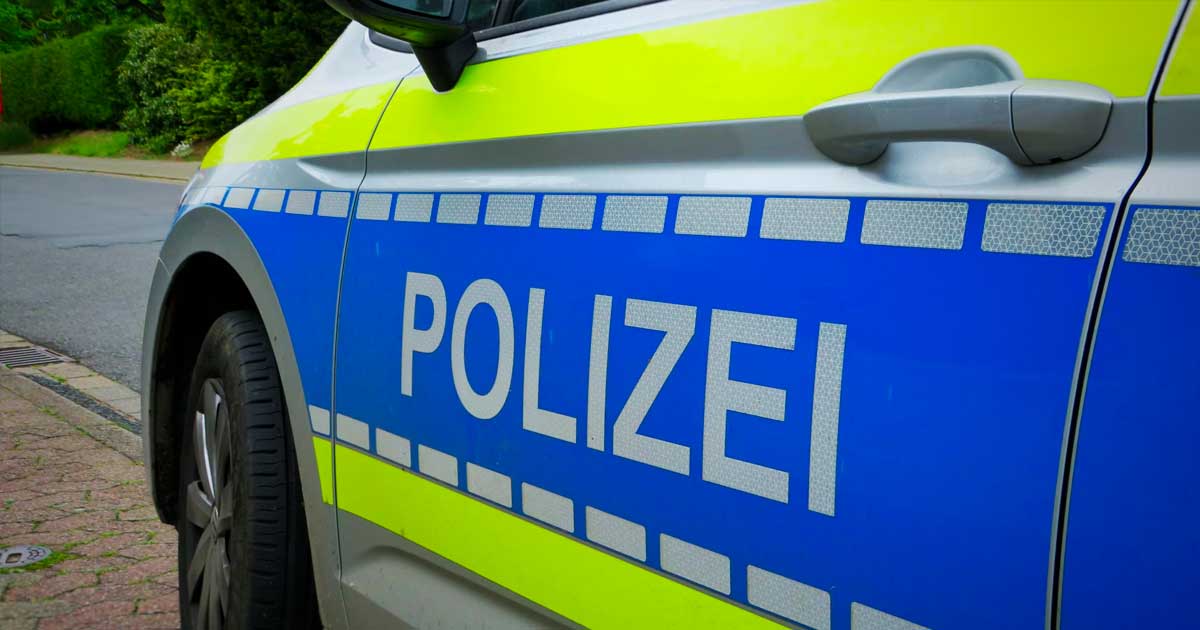
In the wake of the legalization of cannabis in Germany, To reflect the legal nature of the substance, changes to the Highway Code are required. This legislative update, spearheaded by the SPD, the Greens and the FDP, aims to introduce new THC limits for driving and strict measures against mixed substance use on the roads.
Higher THC limits and alcohol restrictions
The recent changes proposed by the «traffic light» coalition in Germany are designed to take account of the changing landscape following the legalization of cannabis.
One of the proposed changes is the adjustment of THC limits for drivers. The current legal limit of 1.0 nanograms (ng) of tetrahydrocannabinol (THC) in blood serum should be increased to 3.5 ng/ml under the «Sixth Act to amend the Road Traffic Act and other road traffic regulations».
According to the coalition, this measure takes into account the evolution of scientific knowledge concerning the’THC's impact on driving, and is in line with the constitutional principle of proportionality.
In addition, the legislation proposes a strict ban on driving while under the influence of cannabis and alcohol. This prohibition extends to drivers whose THC levels exceeds the prescribed limit. This double restriction is designed to reduce the increased risk associated with alcohol and cannabis consumption, which multiplies accident risks by 29.
Strict rules apply to new and young drivers, including those under 21. The ban on alcohol consumption is supplemented by a ban on cannabis. In addition, a limit specific of THC of 1.0 ng/ml in blood serum, previously established by case law, will be rigorously applied.
Balancing individual freedom and public safety
The coalition supporting these changes stresses the importance of striking a balance between individual freedom and public safety. They argue that limit revised of THC of 3.5 ng/ml, equivalent to a blood alcohol level of 0.2g, is a fair balance, given the evolving scientific consensus on levels of impairment while driving.
Alongside revised THC limits, legislation introduces reinforced control measures. Saliva tests are proposed as a preliminary screening tool to detect recent cannabis use, particularly during roadside checks. These tests aim to identify consumption in the immediate context of driving, thus providing more nuanced information to law enforcement officers.
In addition to amendments relating to road traffic, revisions to the Cannabis Consumption Act (KCanG) are also on the agenda and will be discussed. These changes, based on consultations at federal and state level, are designed to ease control measures on Cannabis Clubs and align with regional concerns and interests.




















JIHE 2026: Japan’s Largest Trade Show Dedicated to Hemp and CBD Returns to Tokyo with More Than 100 Industry Players
New Caledonia: The Courts Clear the Way for the Return of CBD

The Brazilian medical cannabis market continues to grow

Morocco: Three Cannabis-Based Medications Approved for the Treatment of Epilepsy

Canopy Growth Receives New EU-GMP Certification to Strengthen Its Presence in Europe

Three years after legalizing medical cannabis, Albania continues to establish regulations for it

The first plant-based medical THC spray arrives in the United Kingdom

Medical Cannabis in Germany: THC Prices Vary by a Factor of 12

France already has 3,000 cannabis retail outlets. None of them are legal.

Morocco's exports of legal cannabis have expanded to 15 countries
-
 Business2 weeks ago
The legal cannabis market in New York exceeds 4 billion $ in revenue
-

 Cannabis in France4 weeks ago
Which countries legalized medical cannabis before France?
-
Business4 weeks ago
South Korea is preparing to begin local production of medical cannabis to meet rising demand
-
Cannabis in France4 days ago
France already has 3,000 cannabis retail outlets. None of them are legal.
-
Cannabis in Thailand4 weeks ago
From the boom in dispensaries to a purely medical approach: Thailand is revising its cannabis policy
-
Cannabis in the U.S.5 days ago
A DEA report confirms that there are no fatal cannabis overdoses
-
Cannabis and driving3 weeks ago
Medical Cannabis and Driving: New South Wales Ends Automatic Penalties for THC
-
Cannabis in France3 weeks ago
France’s Drug Policy Chief Defends Cannabis Prohibition... and Runs Into the Facts

















You must be logged in to post a comment Login