The CBD hemp industry finally saved by 49.3

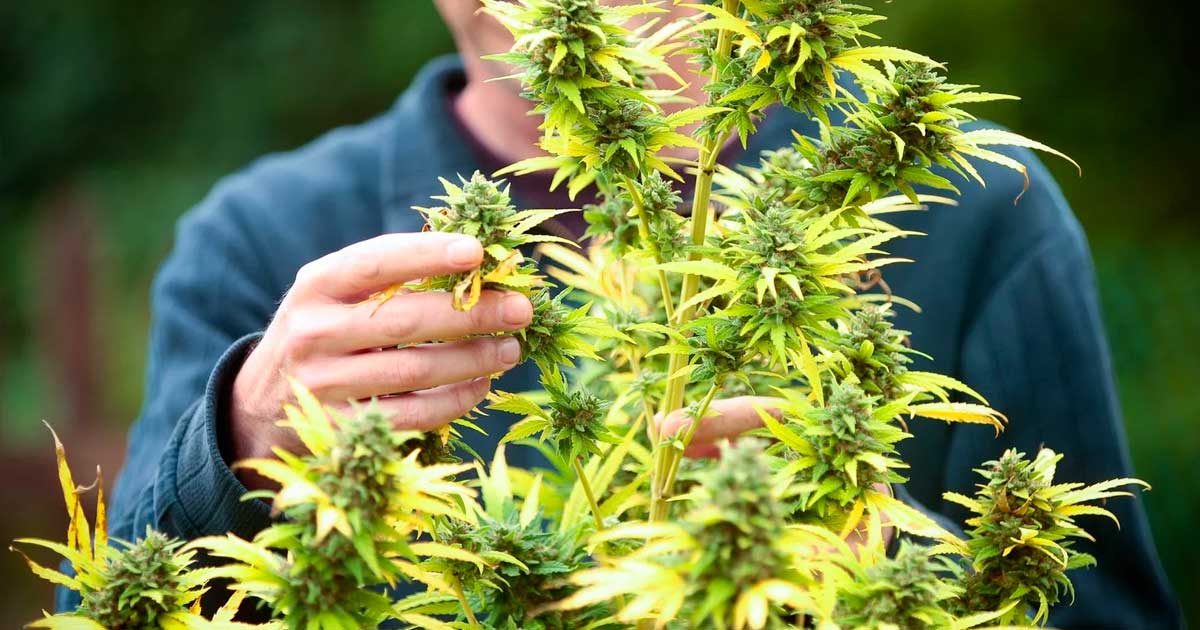
After several weeks of tension, the French CBD hemp industry has narrowly avoided a major regulatory shock. The abandonment of article 23 of the Finance Bill 2026 (PLF 2026), as part of the’article 49.3 of the Constitution, put an end, at least temporarily, to a series of measures that threatened the very existence of the sector.
In its amended version, This article provided for a complete overhaul of the fiscal and commercial framework for CBD: a massive increase in VAT, excise duties in excess of 50 %, a ban on online sales and the reintroduction of a quasi-monopoly for tobacconists. For professionals, the bill would have been unbearable.
A threat considered existential by the players
The sector's unions, led by the’UPCBD and the’AFPC, have consistently warned of the economic and social consequences of these provisions. According to their estimates, their continuation would have led to the closure of 90 to 95% specialty stores, jeopardizing 20,000 to 25,000 direct and indirect jobs.
According to the unions, there are now almost 2,000 CBD stores in France, most of them independent small and medium-sized businesses, which ensure product traceability, consumer information and compliance with age regulations. The sector represents annual sales of around 1.1 billion euros, and contributes over 320 million euros to public finances.
For the UPCBD, the abandonment of article 23 marks a belated recognition of this economic reality.
«This is a victory for common sense. Our companies, most of which are very small businesses with a passion for local development, will at last be able to invest, innovate and recruit with peace of mind,» declared the Minister. Paul MacLean, president of the organization.
An agricultural sector also concerned
Beyond the retail trade, the decision also brings relief to hemp farming. Nearly 25,000 hectares are cultivated in France, and some 1,000 farms depend on CBD for additional income. While a large proportion of the CBD consumed remains imported, a structured domestic production has developed around quality, traceability and local value creation.
The unions feared that a tax system equating hemp flowers with tobacco products makes French production uncompetitive, mechanically favoring imports and parallel channels, to the detriment of national social and environmental standards.
For the PSAC, the deletion of Section 23 is welcomed as «a breath of fresh air» after weeks of uncertainty. The association stresses, however, that nothing can be taken for granted. The use of the 49.3 procedure, while allowing these measures to be set aside, also illustrates the fragility of the regulatory framework for CBD in France.
The trade associations do not reject regulation or taxation as a matter of principle. call for a coherent framework with the real risk profile of CBD, based on a clear VAT at 20%, without disproportionate excise duties or assimilation to tobacco products.
For the time being, the CBD hemp industry can breathe a sigh of relief. But this victory achieved in a hurry raises a central question: how long will it really be saved? Could the next budget reopen the issue and jeopardize this precarious balance?

























«Vincy Gold»: Humboldt Seed Company on the Hunt for Saint Vincent Sativas

Cronos Completes the Acquisition of CanAdelaar for 57.5 million euros

Cannabis with a "bloody" twist: Discover Sensi True Blood and Sensi Sangria, the two new strains from Sensi Seeds

Hemp: The Council of the EU Takes a Stand on New Production and Marketing Rules

Missouri's legal cannabis market accounts for 93 % of consumer spending

THC Gummies: How to Read a Certificate of Analysis Before Buying

British patients now have access to THCV-rich cannabis flowers

Spain: Medical Cannabis Is Coming to About 50 Hospitals

JIHE 2026: Japan’s Largest Trade Show Dedicated to Hemp and CBD Returns to Tokyo with More Than 100 Industry Players

New Caledonia: The Courts Clear the Way for the Return of CBD
-
 Business3 weeks ago
The legal cannabis market in New York exceeds 4 billion $ in revenue
-

 Cannabis in France4 weeks ago
Which countries legalized medical cannabis before France?
-
Cannabis in France1 week ago
France already has 3,000 cannabis retail outlets. None of them are legal.
-
Business4 weeks ago
South Korea is preparing to begin local production of medical cannabis to meet rising demand
-
Cannabis in the U.S.1 week ago
A DEA report confirms that there are no fatal cannabis overdoses
-
Cannabis in Thailand4 weeks ago
From the boom in dispensaries to a purely medical approach: Thailand is revising its cannabis policy
-
Cannabis and driving4 weeks ago
Medical Cannabis and Driving: New South Wales Ends Automatic Penalties for THC
-
Cannabis in France3 weeks ago
France’s Drug Policy Chief Defends Cannabis Prohibition... and Runs Into the Facts
















cbdtech
22 January 2026 at 14 h 24 min
This is a huge relief for all those involved in the field. The abandonment of this article 23 via 49.3 avoids an economic catastrophe that would have unfairly hit thousands of French VSEs and farms.
Taxing CBD like tobacco or banning online sales would have been total nonsense for a non-psychotropic molecule. While we can now breathe a sigh of relief, this episode shows the fragility of our status. All the industry is asking for is stability and fair regulations, so that we can continue to professionalize the sector and guarantee consumer safety. The fight for long-term recognition of hemp as a wellness product goes on.