Excessive cannabis use reduces dopamine levels according to new study

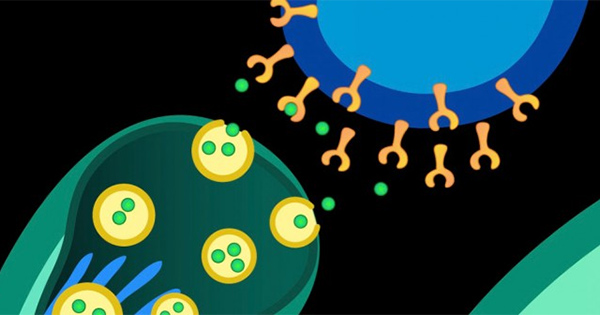
The researchers at Columbia University Medical Center, The New York-based researchers have discovered that heavy cannabis use has the same effect on the brain's dopamine system as chronic cocaine or heroin use: reduced dopamine levels in the brain can lead to attention and memory deficits.
Dopamine is a neurotransmitter that plays a key role in the brain's reward system, and is released in response to a pleasurable stimulus such as enjoying a dish, a romp or taking a drug. This is what makes many substances so addictive (including chocolate), although research suggests that excessive use of these substances causes a dopamine imbalance, with lower concentrations released in the brain.
Cannabis and dopamine
Dopamine deficiency is associated with reduced cognitive performance. Given that THC is known to stimulate dopaminergic neurons throughout the brain, study leader Anissa Abi-Dargham explains that «it's important to take a closer look at the potential addictive effects of cannabis on key brain regions».
To do this, she and her team used a technique called positron emission tomography (PET) to examine the levels of dopamine released in the striatum (a part of the brain) in 11 people addicted to cannabis after receiving an oral dose of amphetamine, which stimulates the brain to emit the neurotransmitter. The results, published in the journal Molecular Psychiatry, The results of a study carried out by the Institute of Medicine of the University of Geneva show that, compared with non-dependent subjects, the participants did indeed show reduced levels of dopamine.
To explore the impact of this discovery, the researchers then subjected the participants to tests designed to measure their cognitive functioning. Cannabis-dependent individuals scored worse for memory and attention than non-dependent individuals, leading the study authors to declare that «reduced dopamine levels may contribute to a negative functional impact on chronic cannabis users».
However, the researchers also point out that they were unable to «show a causal relationship» between cannabis use and dopamine deficiency, explaining that they cannot be entirely sure whether «dopamine deficiency is a pre-existing condition or the result of heavy cannabis use».
However, the main conclusion of the study is that the strong de cannabis use affects the long-term the dopaminergic system, and therefore the activities that depend on it.
Cannabis and schizophrenia
Taking their investigations a step further, the researchers also measured levels of another neurotransmitter called glutamate in the hippocampus, another brain region. In people with schizophrenia, high levels of glutamate in this part of the brain are known to adversely affect dopamine levels, resulting in certain psychopathological symptoms.
Given that a link between excessive consumption of cannabis and schizophrenia has already been suggested, The researchers hypothesized that the dopamine deficits experienced by regular users could be modulated by glutamate, thus confirming the link. However, no signs of glutamate imbalance were detected in the participants' hippocampi. No smoking link between weed and schizophrenia could therefore be found.








JIHE 2026: Japan’s Largest Trade Show Dedicated to Hemp and CBD Returns to Tokyo with More Than 100 Industry Players
New Caledonia: The Courts Clear the Way for the Return of CBD

The Brazilian medical cannabis market continues to grow

Morocco: Three Cannabis-Based Medications Approved for the Treatment of Epilepsy

Canopy Growth Receives New EU-GMP Certification to Strengthen Its Presence in Europe

Three years after legalizing medical cannabis, Albania continues to establish regulations for it

The first plant-based medical THC spray arrives in the United Kingdom

Medical Cannabis in Germany: THC Prices Vary by a Factor of 12

France already has 3,000 cannabis retail outlets. None of them are legal.

Morocco's exports of legal cannabis have expanded to 15 countries
-
 Business2 weeks ago
The legal cannabis market in New York exceeds 4 billion $ in revenue
-

 Cannabis in France4 weeks ago
Which countries legalized medical cannabis before France?
-
Business4 weeks ago
South Korea is preparing to begin local production of medical cannabis to meet rising demand
-
Cannabis in France4 days ago
France already has 3,000 cannabis retail outlets. None of them are legal.
-
Cannabis in Thailand4 weeks ago
From the boom in dispensaries to a purely medical approach: Thailand is revising its cannabis policy
-
Cannabis in the U.S.5 days ago
A DEA report confirms that there are no fatal cannabis overdoses
-
Cannabis and driving3 weeks ago
Medical Cannabis and Driving: New South Wales Ends Automatic Penalties for THC
-
Cannabis in France3 weeks ago
France’s Drug Policy Chief Defends Cannabis Prohibition... and Runs Into the Facts
















You must be logged in to post a comment Login