
Will cannabis legalization in Chile survive the far right?

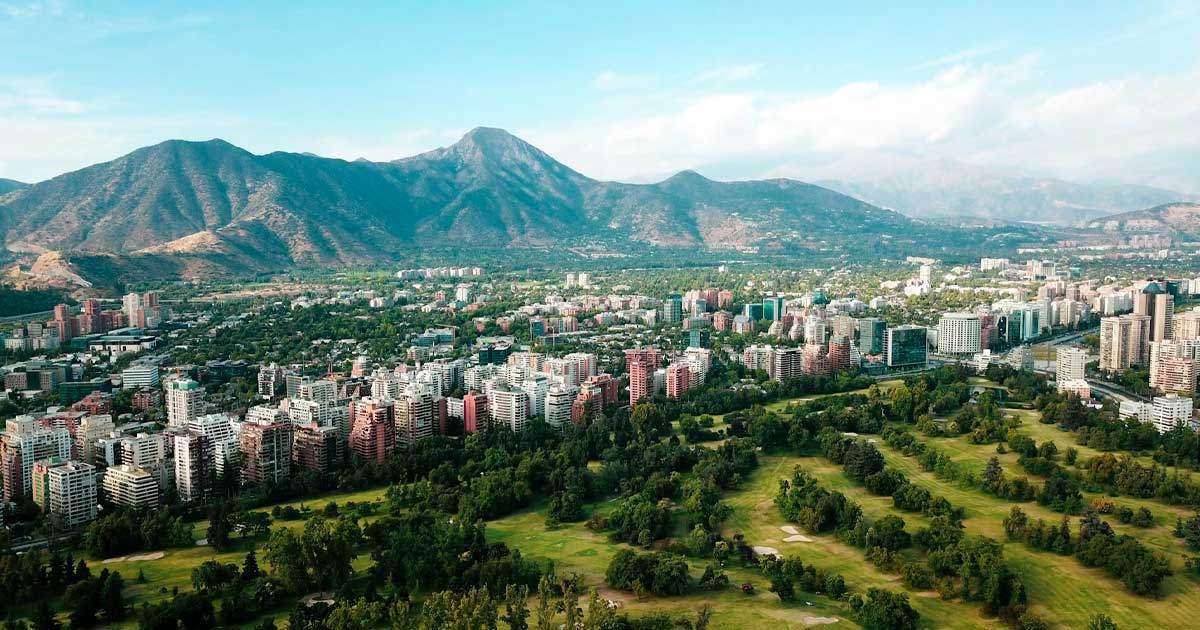
The election of José Antonio Kast Chile’s new president has confirmed a deliberate shift toward the far right. After defeating Jeannette Jara with 58 % of the vote, the conservative leader immediately made security, immigration, and the fight against crime the focus of his administration. In this context, the cannabis in Chile appears to have been pushed into the background—or even threatened—in a political climate that is not conducive to reform and is marked by profound ambiguity.
A government focused on other priorities
From his very first days in office, Kast presented his administration as an «emergency government,» prioritizing public order and border control. In this context, the cannabis regulation seems to be largely absent from the agenda. There have been no concrete announcements, no reforms, and not even any positive or negative signals regarding the future of cannabis legalization in Chile.
For activists and observers, this silence is telling. According to some within the Chilean cannabis advocacy movement, the issue simply isn’t among the administration’s priorities. Instead, the focus is on macroeconomic concerns such as drug trafficking and national security, leaving consumers, patients, and small-scale growers in the dark.
Kast’s past statements on cannabis reveal a shifting and sometimes contradictory stance. In 2016, he warned that legalization would be a «social catastrophe.» A year later, he expressed openness to medical marijuana, provided that it remains under strict government control. On another occasion, he had suggested that adults over the age of 23 should have the freedom to make their own choices.
In 2019, his tone hardened once again, describing cannabis as a substance that «destroys lives, families, and our society.» For critics such as Congresswoman Ana María Gazmuri, this inconsistency is more than just rhetorical: it creates a legal uncertainty that directly affects patients and consumers. Without a coherent framework based on science and human rights, policy risks being shaped by ideology rather than by evidence.
A legislative stalemate
Chile is already facing structural challenges in its cannabis legislation. The cornerstone of the legislation, Bill 20,000, leaves considerable room for interpretation, particularly regarding the definition of what constitutes «small quantities.» This ambiguity has led to regional disparities, where the same behavior may be considered legal in one region and criminal in another.
A key proposal, Bill 17.568-11, aims to decriminalize personal possession and personal cultivation. Reintroduced in 2025, it remains stalled in committee with no specific timeline for its progress. Under a more conservative executive branch and Congress, the prospects for advancing such reforms appear limited.
For activists like Muy Paola of Santiago Verde, interviewed by ElPlanteo, the situation reflects a broader political reality: cannabis users were not a priority during the campaign and are not likely to become one now. The burden therefore falls on civil society to move the issue forward.
Criminalization and Contradictions in Public Policy
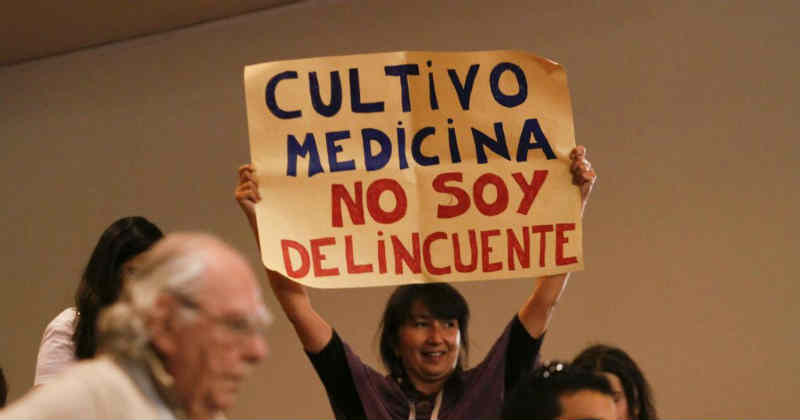
The current legal ambiguity has tangible consequences. Consumers and patients continue to face criminal prosecution despite partial legal authorizations, especially for home cultivation. This paradox affects not only individuals, but also raises broader questions regarding the’allocation of public resources.
Critics argue that the fact that target consumers diverts attention and resources away from the fight against organized crime—the very problem Kast has pledged to solve. As Congresswoman Ana María Gazmuri explains, stepping up crackdowns on cannabis users could, in the long run, undermine the government’s own security objectives.
The lack of clear police protocols also contributes to stigmatization and inconsistent enforcement of the law. Even when individuals comply with existing laws, they are not guaranteed fair treatment, which highlights the gap between legislation and practice.
Despite a general stagnation, some observers see a small glimmer of hope for progress in the field of medical cannabis in Chile. Historically, incremental progress has often resulted from regulatory adjustments rather than radical reforms.
Even this area faces constraints under a conservative government. Although Kast has previously expressed conditional support for therapeutic use, there is no indication that expanding access or developing infrastructure will become a priority in the short term.
The Role of Civil Society and Activism
In Chile, most of the progress on cannabis-related rights has not come from political leaders, but from sustained pressure exerted by the civil society organizations, patients, and advocacy groups. This pattern is unlikely to change under the current administration.
Activists emphasize the need for better coordination within the cannabis advocacy movement itself. Internal divisions have at times weakened its influence. But the current political climate could serve as a unifying force, encouraging collaboration toward common goals such as the decriminalization, clearer regulations, and patient protection.




















CBD is said to promote athletic recovery, without improving performance

294 cannabis clubs in Chile: a booming movement with uneven distribution

Chronic Sciatica: New York Approves First Clinical Trial of a THC-Based Medication

United States: The DEA is accelerating the integration of medical cannabis at the federal level

Florida is nearing one million patients using medical cannabis

Uruguay Revives Its Plan to Allow Tourists to Legally Access Cannabis

In Brazil, researchers are developing an innovative CBD eye drop

Autism: Medical Cannabis Is Linked to Reduced Anxiety

The $28 billion U.S. hemp market remains under threat

Jamaica Eases Small Farmers' Access to the Cannabis Market
-
 Business5 days ago
The legal cannabis market in New York exceeds 4 billion $ in revenue
-

 Cannabis in France2 weeks ago
Which countries legalized medical cannabis before France?
-
Business2 weeks ago
South Korea is preparing to begin local production of medical cannabis to meet rising demand
-
Cannabis in the Netherlands4 weeks ago
One year after the launch of the Dutch cannabis experiment, the first trends are emerging
-
Cannabis in Thailand2 weeks ago
From the boom in dispensaries to a purely medical approach: Thailand is revising its cannabis policy
-
Cannabis in France4 weeks ago
French medical cannabis remains stalled at the Ministry of Health
-
Cannabis in Argentina3 weeks ago
Argentina Opens Its Market to Hemp Flowers Containing 1% of THC
-
Cannabis and driving2 weeks ago
Medical Cannabis and Driving: New South Wales Ends Automatic Penalties for THC

















You must be logged in to post a comment Login