
Chile takes a step towards legalizing cannabis

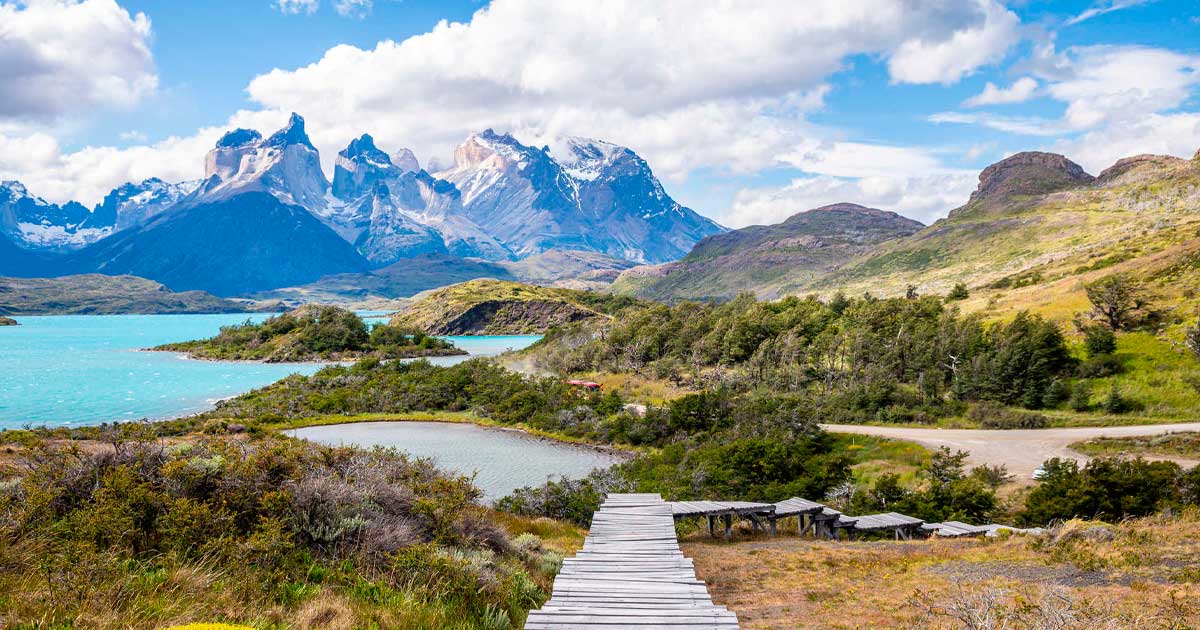
While Mexico and Colombia are moving at their own pace toward cannabis legalization, Chile introduced a new bill earlier this month aimed at legalizing recreational cannabis for adults.
Led by a coalition of progressive lawmakers and supported by civil society activists, this initiative marks a radical break from the country's prohibitionist stance.
A legislative initiative to promote responsible regulation
On April 9, lawmakers from various parties, including the Broad Front, the Communist Party, the PPD, Humanist Action and the Socialist Party, introduced a bill titled «Regulación por la Paz» (Regulation for Peace). Led by Congresswoman Ana María Gazmuri, a staunch advocate of the medical marijuana, this proposal aims to regulate personal cultivation, possession, and nonprofit organizations related to cannabis.
According to Ms. Gazmuri, « This bill allows us to bring our standards in line with international standards. Countries such as the’Uruguay, the Canada and theGermany have already shown that the cannabis regulation »protects consumers, weakens the illegal market, and allows the government to focus on truly serious crimes."
The bill would allow adults to grow up to six flowering plants, to own up to 800 grams per year and to be transported 40 grams in public. However, public consumption would remain prohibited; use would be limited to private spaces and explicitly prohibited in the presence of minors, in schools, and on public transportation. In addition, nonprofit cultural organizations with up to 500 members would be legalized, provided that distribution remains internal.
«This is about regain control over organized crime », Mr. Gazmuri emphasized. «Until consumers have a legal way to access the cannabis, »they will be pushed into the black market."
Supported by civil society and human rights advocates
The movement enjoys strong support from the civil society Chile, where grassroots activism in support of the cannabis reform has grown over the years. The activist Muy Paola highlighted a growing cultural shift: «We have a deep-seated problem with the drug trafficking, », but now people are talking about it openly—on the street, at work, and at universities."
Hernán Bocaz, a lawyer specializing in cannabis law, emphasized that the bill is in compliance with the human rights. «It protects fundamental civil liberties and legitimizes existing collective cultural groups,» he explained.
Simón Espinosa, CEO of a media outlet specializing in cannabis En Volá, highlighted the broader international context. «This legislation is in line with what we have seen in Argentina, in Colombia, at Peru »and elsewhere,« he said. "It's about protecting citizens and weakening the illegal market. »
Despite the general enthusiasm, Espinosa urged caution: «We are optimistic, but we have already seen promising initiatives shelved. It is important to remain vigilant.»
A crucial issue in the presidential race
The movement in favor of legalization has also entered the presidential race. Vlado Mirosevic, one of Chile's leading candidates, has publicly endorsed the initiative, stating: «If I am elected, I will repeal the cannabis from the list of dangerous drugs, and I will introduce a bill aimed at decriminalize home cultivation »and to establish a regulated market."
Although he does not personally use cannabis, Mirosevic believes this reform is necessary for the public health and civil liberties. «The failure of drug policy is obvious. The only thing left to do is to legalize the cannabis », he said in an interview with El Planteo.
He distinguishes his position from the libertarian models seen in neighboring countries, describing his political orientation as « progressive and humanist », focused not only on free markets, but also on social responsibility and the public good.
A Nation Ready for Change
Under current Chilean law, the cannabis use by adults falls into a legal gray area, often linked to broader allegations of drug trafficking. If the Medical cannabis is technically legal, access to it is severely restricted. For years, activists have been calling for clear and fair regulations that reflect the widespread use of cannabis across the country.
Today, with a detailed proposal before Congress, a mobilized civil society, and favorable electoral momentum, the Chile is closer than ever to a turning point. Whether or not the bill is passed, the public discourse has already shifted. What was once a fringe demand has become a central issue in national politics and public debate.



















294 cannabis clubs in Chile: a booming movement with uneven distribution

Chronic Sciatica: New York Approves First Clinical Trial of a THC-Based Medication

United States: The DEA is accelerating the integration of medical cannabis at the federal level

Florida is nearing one million patients using medical cannabis

Uruguay Revives Its Plan to Allow Tourists to Legally Access Cannabis

In Brazil, researchers are developing an innovative CBD eye drop

Autism: Medical Cannabis Is Linked to Reduced Anxiety

The $28 billion U.S. hemp market remains under threat

Jamaica Eases Small Farmers' Access to the Cannabis Market

Faced with resistance from Aurora, Curaleaf raises its offer by 25%
-
 Business4 days ago
The legal cannabis market in New York exceeds 4 billion $ in revenue
-
Cannabis and driving4 weeks ago
Cannabis and CBD: French Drivers Can Now Lose Their License Even Without a Positive Test Result
-

 Cannabis in France2 weeks ago
Which countries legalized medical cannabis before France?
-
Business2 weeks ago
South Korea is preparing to begin local production of medical cannabis to meet rising demand
-
Cannabis in the Netherlands3 weeks ago
One year after the launch of the Dutch cannabis experiment, the first trends are emerging
-
Cannabis in Thailand2 weeks ago
From the boom in dispensaries to a purely medical approach: Thailand is revising its cannabis policy
-
Cannabis in France4 weeks ago
French medical cannabis remains stalled at the Ministry of Health
-
Cannabis in Argentina3 weeks ago
Argentina Opens Its Market to Hemp Flowers Containing 1% of THC

















You must be logged in to post a comment Login