Cannabis use has no impact on memory and other brain processes, according to a study by the American Medical Association


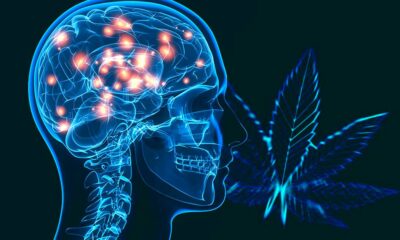
The consumption of cannabis has long been associated with negative effects on cognitive functions, particularly with regard to working memory, the reward processing and the inhibitory control.
His recent research published by’American Medical Association (AMA) have moderated these long-held assumptions. According to a new study funded by the National Institute on Drug Abuse (NIDA), the long-term impact of cannabis use on cognitive ability may be much less than previously thought.
Results on working memory and cognitive performance
The AMA study, conducted among patients recently authorized to use cannabis medical purposes, found no substantial decline in cognitive function after one year of regular cannabis use.
The researchers used the’functional magnetic resonance imaging (fMRI) to monitor the’brain activity during cognitive tasks, measuring changes in areas such as the working memory, the reward processing and the inhibitory control.
After following 57 Boston-area participants over a 12-month period, they found that there was no statistically significant difference in the’brain activation between baseline scans (before consumption) and follow-up scans one year later.
The study suggests that cannabis, when consumed in mild to moderate amounts for conditions such as chronic pain, theanxiety, depression or the sleep disorders, has minimal effects on cognitive domains that were examined. The researchers reported the following:
«Working memory, reward and inhibitory control tasks did not differ statistically between baseline and endline and were not associated with changes in cannabis use frequency.»
This finding is particularly important, as it addresses the concerns of many medical cannabis consumers about long-term effects of their consumption on the brain health.
Medical and recreational cannabis
One of the most intriguing aspects of the AMA study is the distinction it draws between cannabis use à purposes medical and the recreational use of cannabis.
According to the study, various studies have shown that consumption of recreational cannabis impairs cognitive function, medical cannabis does not appear to present the same cognitive risks. A study carried out in 2022 revealed that :
«Prescribed medical cannabis may have minimal acute impact on cognitive function in patients with chronic diseases.»
This surprising result led the researchers to hypothesize that the difference between the two forms of consumption could be due to dosage, frequency or the intention behind consumption. Visit people who use cannabis for medical reasons tend to follow a prescribed regimen, while recreational users can consume cannabis in higher, less regulated doses.
The need for further research
Although the results of this study are promising, the researchers stress that further studies are needed, including to assess the impact of higher doses and more frequent consumption, particularly among younger populations.
The authors of the study, from the Harvard Medical School, from McGovern Institute for Brain Research at MIT and School of Engineering and Applied Science at the University of Pennsylvania, emphasized the importance of studying various age groups and brackets to fully understand the cognitive implications of cannabis use. The researchers concluded:
«The results warrant further studies that examine the association of cannabis at higher doses, with greater frequency, in younger age groups and with larger, more diverse cohorts.»
Wider implications for cognitive health
Several other studies in recent years have also suggested that concerns about the cognitive effects of cannabis may have been exaggerated.
For example, a study study of cancer patients revealed that medical cannabis actually helped improve mental clarity. The results indicate that cancer patients who use cannabis for pain relief are able to think more clearly, challenging the belief that cannabis causes cognitive decline.
In addition, research carried out on young people at risk of psychotic disorders have shown that cannabis consumption does not precipitate the early onset of symptoms, as some prohibitionists feared. In fact, they do, the study suggests modest improvements in cognitive performance over time:
«Young CHRs who have used cannabis continuously have better neurocognition and social functioning over time, as well as less medication use, compared with those who have not.»
A other study important AMA study, which analyzed data from over 63 million Medicare beneficiaries, revealed that there was no statistically significant increase in psychosis diagnoses in states that have legalized medical cannabis, compared to those where it remains criminalized. This finding refutes the myth that cannabis use leads to psychotic breaks. mental health generalized.
Revisiting common misconceptions
The perception of cannabis as harmful to brain functions was an important argument in favor of its prohibition.
For example, during his presidency, Donald Trump has said that cannabis use resulted in a loss of IQ points, a claim that has been refuted by recent research. Studies conducted by the National Institute on Drug Abuse (NIDA) have demonstrated that there is no causal link between the cannabis use and lower IQ. In fact, the observed declines in verbal ability and general knowledge among cannabis users appear to be attributable to common genetic or familial factors rather than to cannabis use itself.
«This suggests that the observed IQ declines, at least during adolescence, may be caused by shared family factors (e.g., genetics, family environment), and not by marijuana use itself,» NIDA concluded.





















«Vincy Gold»: Humboldt Seed Company on the Hunt for Saint Vincent Sativas

Cronos Completes the Acquisition of CanAdelaar for 57.5 million euros

Cannabis with a "bloody" twist: Discover Sensi True Blood and Sensi Sangria, the two new strains from Sensi Seeds

Hemp: The Council of the EU Takes a Stand on New Production and Marketing Rules

Missouri's legal cannabis market accounts for 93 % of consumer spending

THC Gummies: How to Read a Certificate of Analysis Before Buying

British patients now have access to THCV-rich cannabis flowers

Spain: Medical Cannabis Is Coming to About 50 Hospitals

JIHE 2026: Japan’s Largest Trade Show Dedicated to Hemp and CBD Returns to Tokyo with More Than 100 Industry Players

New Caledonia: The Courts Clear the Way for the Return of CBD
-
 Business3 weeks ago
The legal cannabis market in New York exceeds 4 billion $ in revenue
-

 Cannabis in France4 weeks ago
Which countries legalized medical cannabis before France?
-
Cannabis in France1 week ago
France already has 3,000 cannabis retail outlets. None of them are legal.
-
Business4 weeks ago
South Korea is preparing to begin local production of medical cannabis to meet rising demand
-
Cannabis in the U.S.1 week ago
A DEA report confirms that there are no fatal cannabis overdoses
-
Cannabis in Thailand4 weeks ago
From the boom in dispensaries to a purely medical approach: Thailand is revising its cannabis policy
-
Cannabis and driving4 weeks ago
Medical Cannabis and Driving: New South Wales Ends Automatic Penalties for THC
-
Cannabis in France3 weeks ago
France’s Drug Policy Chief Defends Cannabis Prohibition... and Runs Into the Facts
















You must be logged in to post a comment Login